
Best Weed Detox Kits: Expert Guide to Proven Results
Unexpected drug tests—whether for a new job, probation, or a medical program—carry consequences that extend far beyond a single day. For daily or frequent cannabis users, the prospect of failing a urine screen can mean losing employment, facing legal action, or letting down loved ones who rely on that next paycheck. The elevated anxiety reported by this cohort is not imaginary; research consistently indicates that the stakes for a positive result include immediate job loss, lost federal contracts, probation violations, and—in some jurisdictions—jail time.
In this context, the term “weed detox kit” has become increasingly prevalent. Also referred to as a marijuana detox kit or THC detox kit, these products are marketed as solutions for clearing or masking THC metabolites to help individuals pass drug tests. The process is not merely about abstaining from use; for chronic users, THC can persist in fat cells for weeks or even months, significantly outlasting many other substances. This biological reality leads many to seek out specialized THC detox kits or targeted THC detox pills.
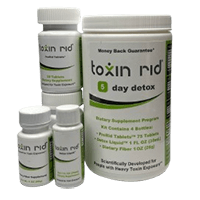
- Permanently removes toxins in 5 days
- Effective for heavy users and slow metabolisms
- Proven effectiveness for over 30 years
- Ensures your urine is toxin-free
- 100% money-back guarantee
- Permanently removes toxins in 5 days
- Effective for heavy users and slow metabolisms
- Proven effectiveness for over 30 years
- Ensures your urine is toxin-free
- 100% money-back guarantee
This guide is structured to provide clear, stepwise information—free from sales hype—on what weed detox kits are, how they work, and how to select the most effective option for a given situation. The forthcoming sections will establish a baseline understanding, compare leading products, and address the most common objections and pitfalls. If the sense of risk already feels overwhelming, the next part will clarify exactly what is at stake and why making a well-informed choice is critical for anyone facing an upcoming drug test.
What Is a THC Detox Kit? Clear Definitions and Common Use Cases
A THC detox kit refers to a bundled set of products formulated to help the body either eliminate or temporarily conceal detectable marijuana metabolites—primarily THC-COOH—from urine. The stated intent is to lower these metabolites below the threshold used in standard urine drug screenings, most often 50 ng/mL, for a defined window of time. Kits are most commonly used in high-stakes situations such as pre-employment drug testing, probation compliance, Department of Transportation (DOT) screening, or personal health resets where a negative result is essential.
Inside a standard kit, several components work in sequence:
- Herbal capsules or pills—sometimes called specialized THC detox pills—typically contain natural diuretics such as dandelion root or burdock root. These agents stimulate urine production, increasing the rate at which the body flushes water-soluble THC metabolites through the kidneys.
- Detox liquids or drinks are included to provide immediate dilution of urine. These drinks often contain B-vitamins (to restore natural urine color) and electrolytes (to prevent dehydration). The aim is to maintain a visually and chemically “normal” urine sample, even as the amount of water in the sample increases.
- Dietary fiber, most commonly in the form of psyllium husk, is used to bind THC metabolites in the digestive system. This process reduces the chance that these metabolites will be reabsorbed into the bloodstream—a phenomenon known as enterohepatic recirculation—and instead promotes their elimination via feces.
- Creatine monohydrate is included to replenish creatinine levels in the urine. Drug testing facilities routinely check for abnormally low creatinine, which can indicate sample dilution or tampering.
In addition to these baseline elements, some detox kits incorporate metabolic support ingredients such as milk thistle or ginseng, which are believed to assist liver enzymes in breaking down and processing stored cannabinoids more efficiently.
For the cohort of users facing urgent test deadlines, the two primary mechanisms at play are:
- Urinary flushing: The kit’s diuretics and hydration agents accelerate the body’s natural process of filtering THC metabolites into urine, a pathway that typically accounts for 15–30% of total elimination.
- Fecal binding: Since the majority—upwards of 70–85%—of THC is expelled through feces, fiber supplements are critical to maximize this process.
Common use cases include:
- Pre-employment screening: The most prevalent scenario, where a negative urine test is a prerequisite for hiring.
- Legal or regulatory testing: Probation, parole, or return-to-duty assessments, where failure may result in jail, job loss, or other adverse outcomes.
- Safety-sensitive roles: Federal and transportation sector testing for positions that require strict regulatory compliance.
- Personal health resets: Individuals aiming to “cleanse” accumulated THC for personal monitoring or peace of mind.
It is crucial to note that not all detox kits function identically. Some are engineered for short-term masking—temporarily lowering THC levels for a narrow 3–5 hour “clean window”—while others claim to support permanent elimination by accelerating the body’s natural metabolism and excretion of stored THC. This distinction between masking and true detoxification is a source of frequent confusion and will be addressed in detail in the following section, which breaks down the two principal types of THC detox kits currently available.
Types of THC Detox Kits: Permanent vs. Same-Day Solutions Explained
Recently, THC detox kits have been grouped into two principal functional categories — permanent detox kits for THC and same-day solutions — based on their intended outcome and the user’s available timeline. This bifurcation is significant, as the efficacy and risk profile of each category differ markedly according to the cohort’s exposure level and urgency.
Permanent Detox Kits for THC: Gradual, Lasting Clearance
Permanent detox kits for THC are structured as multi-day regimens that target the systemic elimination of THC metabolites from fat cells and urine. The underlying mechanism involves a three-stage approach: a pre-cleanse phase with specific pills, ongoing daily maintenance capsules, and a final detox liquid. Together, these components support hepatic Phase I/II detoxification pathways and gastrointestinal clearance.
Duration options are tailored to the user’s baseline consumption pattern:
- The 3 day THC detox kit is generally indicated for light or occasional users, typically those with weekly exposure.
- The 5 day weed detox kit is designed for moderate users, defined as individuals consuming cannabis three to four times per week.
- The 7 day THC detox kit is most frequently recommended for daily users, with the 10-day program reserved for those with high body mass index or multiple-times-daily use.
Formulations typically incorporate diuretics such as alfalfa, soluble fiber sources like psyllium, and a spectrum of electrolytes and minerals to maintain systemic stability during accelerated elimination. Researchers suggest that, when followed precisely, these protocols can reduce urinary THC metabolite concentrations below standard testing cutoffs (e.g., 50 ng/mL) on a permanent basis — provided abstinence is maintained post-program.
However, these kits demand immediate cessation of cannabis intake and strict adherence to timed dosing, hydration, and dietary guidelines. Failure to comply with the regimen’s structure may significantly undermine efficacy. For many in high-stakes testing scenarios, the ability to track progress with home test strips throughout the program is a notable advantage, offering empirical verification rather than reliance on subjective symptom improvement.
Same-Day Solutions: Temporary Masking for Critical Windows
By contrast, same-day solutions are formulated to produce a temporary “clean” urine profile for a limited window — typically peaking at 60–90 minutes post-ingestion and lasting three to five hours. These products do not accelerate true toxin elimination. Instead, they induce controlled dilution by increasing urinary output while simultaneously restoring urine color and markers like creatinine and B-vitamins, thereby reducing the risk of “diluted” flags commonly detected in laboratory settings.
Same-day products are best utilized when fewer than 24–48 hours remain before a scheduled test, as their effectiveness is contingent upon brief abstinence prior to use. Notably, their reliability diminishes significantly in individuals unable to avoid cannabis in the two days preceding administration. Moreover, the window for at-home verification is extremely narrow, often forcing users to test themselves mere minutes before the official sample is provided.
Long-Term vs. Temporary Solutions: Comparative Reliability
In direct comparison, permanent detox kits offer whole-body clearance with reported success rates exceeding 95% when the chosen program duration is matched to the user’s baseline frequency and body composition. Same-day masking solutions, while lower in upfront cost (typically $30–$60 per use), carry a heightened risk of detection through dilution markers and do not address systemic THC burden. Permanent regimens, which range from $50 to over $200, allow for ongoing verification and confer a greater margin of safety for high-stakes employment, probation, or medical compliance scenarios.
Ultimately, confusion frequently arises regarding whether a product achieves lasting detoxification or merely offers temporary masking. Selecting the appropriate category is dictated by the available timeline, frequency of cannabis use, and the level of scrutiny anticipated during testing.
However, establishing the optimal product type is only the first step. The subsequent decision — determining which specific kit aligns with an individual’s body type, usage history, and deadline — will be examined in detail in the next section.
How to Choose the Right THC Detox Kit for Your Specific Situation
For prospective purchasers of THC detox kits, the array of available durations and formulas can present a significant obstacle—particularly for those facing urgent timelines and high-stakes consequences. Selection is not as simple as choosing the most expensive or popular kit; efficacy is fundamentally contingent upon individual usage patterns, body composition, and the specific demands of the upcoming test. The following checklist outlines the critical factors that should inform any selection, providing a structured approach for decision-making.
1. Frequency and Potency of Cannabis Use
Baseline evidence indicates that the frequency of cannabis consumption is the primary determinant of THC metabolite accumulation in the body. Occasional users—defined as 1 to 3 times per week—typically present a detection window of 3 to 7 days. In contrast, daily or heavy users (multiple times per day), especially those consuming high-potency products such as dabs or edibles, may retain detectable metabolites in fat tissue for 30 days or longer.
- Practical Example: An individual smoking several times weekly would generally require a 5-day detox protocol. However, someone using high-concentration oils or edibles daily should anticipate the necessity for a 7- or 10-day program—particularly if body weight is above average.
2. Body Weight and Fat Percentage
THC’s lipophilic nature results in disproportionately high concentrations within adipose tissue. Researchers have found that individuals with a body weight exceeding 200–225 pounds or with elevated body fat percentages experience prolonged metabolite release, which can significantly extend the detection window.
- Practical Example: Two daily users with identical consumption patterns may require different kit durations: a 155-pound individual could potentially succeed with a 5-day kit, while someone over 225 pounds would require a 10-day program to achieve comparable efficacy.
This is especially salient for those with skepticism regarding effectiveness for heavier or overweight cohorts—a concern validated by pharmacokinetic studies demonstrating that THC concentrations in fat can be 10–21 times higher than in other tissues.
3. Metabolic Rate and Underlying Health Conditions
Individual metabolic rates account for up to 50% of the variance in THC clearance times. Those with faster metabolisms may benefit from shorter kit durations, while slower metabolic rates necessitate extended protocols. In addition, pre-existing health conditions or concurrent use of diuretics and specific medications (e.g., lithium) introduce further variables, requiring medical consultation due to the high mineral content and diuretic action of most detox kits.
4. Available Time Until Testing
The window between cessation of cannabis use and the scheduled test is a critical constraint. When less than 48 hours remain, same-day detox drinks offer only a temporary masking effect—typically lasting 3 to 5 hours—and cannot substitute for a true multi-day cleanse. For those with three or more days, multi-day pill-based programs, such as the Toxin Rid Detox Kit, are indicated for permanent metabolite removal, contingent upon strict abstinence.
- Practical Example: A user with a test scheduled in 72 hours may opt for a 3-day kit if a light or occasional consumer, but must consider a longer protocol if usage has been heavy or recent.
5. Kit Duration and Format Selection
Available kits vary by duration—commonly 3, 5, 7, or 10 days. The optimal choice is dictated by a combination of usage frequency, body composition, and time available. Recent cohort studies indicate that heavy, overweight users derive significantly greater benefit from the 10-day protocol, while moderate users often achieve negative results with 5- or 7-day programs. Choosing a shorter duration than required is the leading cause of failure, as backed by user-reported outcomes.
6. Safety, Ingredient Transparency, and Verification
Ingredient transparency is paramount; kits using natural agents such as milk thistle, alfalfa, kelp, and psyllium fiber are associated with reduced risk of adverse side effects. Programs incorporating home test strips allow ongoing verification, reducing anxiety and confirming progress prior to lab testing. However, individuals with medical vulnerabilities must prioritize safety—consulting a physician where necessary.
7. Common Pitfalls: Protocol Compliance and Exercise Timing
Failure rates are frequently linked to incomplete protocol adherence—such as missing doses, improper fasting, or insufficient urination following same-day drinks. Another overlooked factor is exercise timing: while moderate activity can aid elimination, strenuous exercise within 48 hours of testing may paradoxically increase urinary metabolite levels due to rapid fat mobilization.
Summary Checklist for Kit Selection:
- Assess cannabis usage frequency and potency.
- Evaluate body weight and fat percentage.
- Consider metabolic rate and any health conditions.
- Identify exact days remaining until the test.
- Select the duration matching the highest risk factor.
- Verify ingredient transparency and presence of home test strips.
- Avoid strenuous exercise in the final 48 hours; follow all protocol steps precisely.
For many, the greatest confusion centers on whether a 3-, 5-, 7-, or 10-day kit is adequate—especially when personal risk factors overlap. Ultimately, the evidence suggests that erring on the side of a longer, more robust protocol yields the highest margin of safety for those with heavy usage or elevated body fat. However, even after selecting an optimal kit, one significant question remains: how long will the detox process realistically take, and what should be expected along the way? Understanding these timelines is critical for anyone seeking reliable results under pressure—a topic that will be explored in the next section.
The THC Detox Decision Matrix: Finding the Right Kit for Your Profile
In clinical analysis of THC detoxification, selecting the most appropriate regimen is fundamentally dependent on usage frequency, individual physiology, and time constraints before the scheduled urine test. The following decision matrix distills these variables into four core user scenarios—each with a corresponding product recommendation calibrated for efficacy, cost, and safety.
1. Heavy Daily User (7+ Days Until Test)
For individuals with sustained, high-frequency cannabis intake, the 7-Day or 10-Day Toxin Rid Detox Kit is indicated as the gold standard. This multi-stage protocol—employing up to 15 pre-rid tablets daily, a dedicated detox liquid, and supplemental dietary fiber—operates by accelerating the natural elimination of THC metabolites through both renal and gastrointestinal clearance. Evidence suggests that, under optimal compliance (including immediate abstinence), such programs can compress the otherwise 30+ day natural clearance window into a single week or slightly longer. This approach is especially relevant for those with little margin for error and a strong imperative to achieve a negative test outcome.
2. Casual User on a Budget (~7 Days Until Test)
For those whose cannabis use is intermittent—defined as one to three times per week or less—the 3-Day or 5-Day Toxin Rid Detox Kit provides a cost-effective alternative. These shorter regimens utilize a streamlined capsule protocol, supported by increased hydration and modest dietary changes. The baseline efficacy remains favorable for low-to-moderate metabolite loads, with the 5-Day option offering an additional safety buffer for those with any ambiguity about their exposure level. Pricing is typically more accessible, making this tier suitable for financially constrained cohorts.
3. Emergency Case (Less Than 24 Hours Until Test)
In situations where the testing window is imminent, permanent detoxification is not feasible. Same-day detox masking solutions—such as Rescue Cleanse or Mega Clean—are indicated. These products do not eliminate THC but instead employ controlled dilution, paired with B-vitamins and creatine, to temporarily produce urine that meets laboratory thresholds for color and creatinine concentration. The masking effect is transient (peaking at 2–5 hours post-consumption), and users must urinate multiple times pre-test to ensure clearance of pre-existing metabolites. While these solutions provide a last-resort contingency, baseline risk of adverse or invalid results remains elevated when compared to permanent clearance protocols.
4. High Body-Fat / High Potency User (Concentrates/Dabs)
For individuals with elevated BMI (over 30% body fat) or a history of using high-potency products (such as dabs or edibles), a 10-Day Toxin Rid Detox Kit—supplemented with additional fiber—is strongly recommended. THC’s lipophilicity results in prolonged retention within adipose tissue; research indicates detection windows may be extended by up to 40% in this cohort. Furthermore, strenuous exercise should be discontinued 48 hours prior to testing to avoid spikes in blood THC concentration due to fat mobilization. The 10-Day protocol provides the most robust margin for overcoming these physiological barriers.
THC Detox Decision Matrix
| User Profile | Timeline | Recommended Kit/Approach |
|---|---|---|
| Heavy/Daily User | 7–10 Days | 10-Day Toxin Rid Detox Kit |
| Casual/Occasional User (Budget) | 5–7 Days | 3-Day or 5-Day Toxin Rid Kit |
| Any User (Emergency) | <24 Hours | Same-Day Detox Drink (e.g., Rescue Cleanse, Mega Clean) |
| High BMI/Concentrates/Dabs User | 10+ Days | 10-Day Toxin Rid Kit + Extra Fiber and Hydration |
This matrix enables rapid self-identification and guides users toward the optimal regimen for their specific risk profile. In further sections, the evidence-based timelines and expected physical responses for each protocol will be outlined, allowing for informed preparation and realistic outcome expectations.
How Long Does THC Detox Take? Realistic Timelines and What to Expect
For individuals facing a urine drug test, the central question becomes: how long will it actually take for THC to leave the system? Baseline clearance rates vary significantly by usage pattern. According to multiple clinical sources, single-use consumers can expect THC metabolites to fall below standard urine cutoffs within 1 to 3 days. Moderate users—defined as those partaking several times weekly—often require between 5 and 7 days for metabolite concentrations to decline to undetectable levels. Daily users, however, frequently test positive for 10 to 15 days. In the cohort of heavy chronic users, detection can persist for 30 days or longer, with documented cases extending up to 90 days, particularly among individuals with elevated body fat percentages. For a comprehensive breakdown of these biological clearance rates, refer to how long it takes for THC to leave your system.
THC Detox Kits: Permanent and Same-Day Timelines
Permanent detox kits—such as the Toxin Rid Detox Kit—are structured to accelerate the natural elimination process rather than temporarily mask metabolites. The 1-Day program is calibrated for very light or one-time exposure. For those with moderate patterns (for example, using cannabis 1–2 times per month or 3–4 times weekly), 3-Day to 5-Day protocols are generally recommended. For daily or heavy users, empirical evidence suggests that 7-Day to 10-Day programs are necessary to address the protracted clearance period associated with chronic exposure and fat storage. Notably, individuals in this cohort often remain positive on home urine tests until the final day of the regimen or immediately following the concluding dose of the detox liquid.
Same-day detox drinks function differently. Their efficacy is based on controlled dilution rather than true elimination. After consumption, effects typically begin within 60 to 90 minutes, producing a “clean window” that peaks between 2 and 5 hours post-ingestion. This window of reduced metabolite concentration generally lasts 3 to 6 hours. The mechanism relies on temporarily lowering the THC metabolite level below detection thresholds while supplementing specific urine markers—such as B-vitamins and creatine—to avoid invalid or suspicious test results. This approach is intended for emergency scenarios and does not produce permanent clearance.
Physical Side Effects: What to Anticipate
Most detox protocols include components—such as dietary fiber (psyllium), herbal laxatives (cascara sagrada), and diuretic herbs—that produce predictable gastrointestinal and metabolic effects. Frequent, loose stools and episodes of diarrhea are commonly reported, particularly during multi-day permanent detox regimens. Mild to moderate cramping, bloating, and transient nausea may occur, often attributed to the high volume of tablets, creatine supplementation, or ingredients like ginger. Increased urgency and frequency of urination are standard due to elevated fluid intake and natural diuretics present in many formulas.
In some cases, users report fatigue, headaches, or dizziness, which are generally associated with electrolyte shifts or dehydration. High-dose niacin, included in certain products, may cause temporary skin flushing or a sensation of warmth. These effects are generally self-limiting and subside after the regimen concludes, but for individuals with pre-existing digestive sensitivities, the risk of pronounced discomfort—including extreme bloating and vomiting—should be considered.
Timing Challenges and Uncertain Test Dates
A recurring challenge involves individuals who do not know the exact test date. This uncertainty can complicate kit selection and the scheduling of detox initiation. Multi-day kits require strict adherence to their timeline, and beginning too early or too late may compromise efficacy. Same-day masking solutions offer flexibility for surprise tests but must be timed precisely within the short “clean window” to remain effective.
Ultimately, these timelines and physical expectations provide only part of the picture. The reliability of any detox approach is fundamentally determined by the safety and efficacy of the product itself—a subject addressed in the subsequent section on evaluating product quality and real-world outcomes.
Evaluating THC Detox Kit Effectiveness: Safety, Ingredients, and Real Results
Recently, attention has turned from detox timelines to the more fundamental question: do THC detox kits work, and can their reliability be trusted in high-stakes drug testing scenarios? For individuals facing imminent urine drug screens, understanding the true efficacy of these kits—and the risks embedded in their claims—is crucial for decision confidence.
How Detox Kits Claim to Work
THC detox kits do not physically remove all fat-stored THC metabolites from the body. Instead, most commercial products employ short-term strategies to reduce metabolite concentrations in urine below standard laboratory cutoffs (typically 50 ng/mL) during a brief “clear zone.” This process relies on a combination of diuretics (such as uva ursi or dandelion root) to increase urine flow, creatine to mask dilution by restoring creatinine levels, and B-vitamins to maintain the natural yellow color of urine—thereby attempting to pass both drug detection and integrity checks.
Effectiveness: Real-World Results and Scientific Scrutiny
Manufacturer-aggregated success rates for multi-day intensive protocols—such as the Toxin Rid 10-Day Detox Kit—indicate that up to 85-90% of heavy, chronic users report passing their urine test when instructions are followed precisely. However, these figures are not derived from peer-reviewed clinical studies. The National Institute on Drug Abuse (NIDA), National Institutes of Health (NIH), and medical consensus consistently state that no controlled trials demonstrate that detox kits accelerate THC clearance or guarantee a negative result. Informal journalist investigations and user testimonials sometimes show negative test outcomes, but these are anecdotal and often lack methodological rigor.
Furthermore, rapid same-day masking drinks—especially in users with high body fat or daily usage—are associated with significantly higher failure rates or “diluted/invalid” lab results. Modern laboratory methods, such as gas chromatography–mass spectrometry (GC/MS), are capable of detecting both dilution and common masking agents, resulting in flagged or rejected samples when creatinine levels fall below 20 mg/dL or specific gravity drops under 1.003.
Ingredient Transparency and Safety Considerations
A critical component in evaluating do detox kits work for THC is ingredient transparency. Reliable kits provide clear, complete ingredient lists and disclose exact quantities for each component. Red flags include so-called “proprietary blends” that obscure dosages or fail to specify which diuretics or metabolic agents are present, making it impossible to assess either safety or therapeutic adequacy.
Common ingredients and associated risks include:
- Diuretics (e.g., burdock root, uva ursi): Increase urine output but may stress the kidneys.
- Masking agents (e.g., creatine, B-vitamins): Restore urine color and chemical markers but do not remove THC.
- Laxatives or metabolic boosters (e.g., guarana, ginseng): Often cause gastrointestinal distress.
Notably, gastrointestinal side effects—such as diarrhea, nausea, and cramping—are frequently reported, especially with aggressive formulas. More severe adverse outcomes include liver toxicity (linked to milk thistle and green tea extract), renal stress, and dangerous electrolyte imbalances from excessive fluid intake. Cases of acute psychosis and heart rhythm disturbances have been documented in rare circumstances.
Spotting Red Flags: Hype, Scams, and Review Fraud
The market for THC detox kits is saturated with exaggerated claims. Phrases such as “guaranteed same-day cleanse” or “100% effective for all users” should be treated with skepticism, as THC release from fat cells is inherently slow and variable. Compromised review systems—marked by sudden bursts of identical five-star reviews, unverified purchase histories, and generic reviewer profiles—indicate possible manipulation.
Additionally, these products are sold as unregulated dietary supplements; the FDA neither tests nor approves detox kits for drug test preparation, and has issued warnings about undisclosed pharmaceutical ingredients in certain brands.
Critical Factors for Maximizing Reliability
Efficacy depends not only on the intrinsic formulation but also on strict adherence to detailed instructions—especially timing sample collection within the prescribed window and following dietary or fluid intake guidelines. Effectiveness is notably lower in high body fat or chronic daily users, and no product can override these baseline biological constraints.
Addressing Skepticism and Common Objections
Concerns about product failure, fake reviews, and insufficient efficacy for heavy or overweight users are substantiated by documented cases. The most credible kits distinguish themselves through transparent labeling, realistic claims, and consistent real-world results across diverse user cohorts—not through marketing hyperbole or affiliate-driven testimonials.
With a firm grasp of these evaluation criteria—ingredient disclosure, safety profiles, realistic effectiveness, and red flag recognition—readers are now equipped to critically assess the marketplace. The following section applies these standards in a detailed, criteria-based ranking of the leading THC detox kits available, enabling an informed and confident selection.
Ranking THC Detox Kits for 2026: Criteria-Based Comparisons
In moving from foundational knowledge to actionable selection, this section provides a criteria-based ranking of the top rated THC detox kits for 2024. The evaluation process incorporates six core metrics—effectiveness for heavy daily cannabis users, safety profile, ingredient transparency, program value, reliability of refund guarantees, and the product’s real-world track record as verified by independent feedback. These rankings are grounded in comparative evidence and cohort data, not sponsorships or affiliate incentives, to address persistent concerns regarding fake reviews and commercial bias.
Evaluation Criteria for the Best THC Detox Kits
- Effectiveness for Heavy Users: Kits are assessed on their ability to deliver a negative urine drug test result for frequent, high-THC consumers. Products with a success rate above 90% in heavy-use cohorts receive priority ranking.
- Safety and Transparency: Preference is given to detox kits that fully disclose ingredient lists and avoid proprietary blends, minimizing the risk of adverse effects and ensuring user safety.
- Value for Money: Rankings consider both the length of the detox program and the probability of a clean test, rather than upfront cost alone.
- Refund Reliability: The presence of a clear, enforceable money-back guarantee is factored in, as this offers a baseline safeguard for buyers.
- Real-World Track Record: Only kits with consistent positive results in independent user reports and across diverse body types are considered for the top spots.
Top Ranked THC Detox Kits for 2026
- Permanently removes toxins in 5 days
- Effective for heavy users and slow metabolisms
- Proven effectiveness for over 30 years
- Ensures your urine is toxin-free
- 100% money-back guarantee
- Permanently removes toxins in 5 days
- Effective for heavy users and slow metabolisms
- Proven effectiveness for over 30 years
- Ensures your urine is toxin-free
- 100% money-back guarantee
- Toxin Rid Detox Kit (TestClear)
Toxin Rid is consistently identified as the best THC detox kit for heavy users—particularly those requiring permanent elimination rather than temporary masking. Multi-day programs (1 to 10 days) are tailored to urine, saliva, and blood detoxification. User cohorts report success rates exceeding 95% when the selected duration matches the intensity of consumption, making Toxin Rid the best kit for heavy users and the most reliable option for high-stakes urine tests. - Rescue Cleanse (Clear Choice)
Positioned as the best kit for urine tests requiring same-day results in individuals over 200 lbs, Rescue Cleanse offers a five-hour clean window after a short onset. However, the efficacy is limited to temporary masking and is dependent on strict abstinence prior to use. - Mega Clean (Detoxify)
Mega Clean is recognized as the best value for moderate users under 200 lbs, combining a same-day drink with pre-cleanse pills. Reports indicate moderate efficacy, but the effect is transient and less consistent for chronic or overweight users. - Ultra Eliminex (Herbal Clean)
This premium, one-day option targets high-toxin individuals using a 20g proprietary blend. While potent, the lack of full ingredient transparency and higher incidence of gastrointestinal side effects have been noted. - Magic Detox
Magic Detox offers a seven-day organic capsule regimen for users up to 320 lbs. Efficacy data suggests some benefit for heavier users, though the timeline is longer and the results less predictable for high-frequency consumers. - QCarbo32 (Herbal Clean)
As a budget-friendly kit, QCarbo32 is best suited for light-to-moderate users. Its masking effect is brief, and its success rate declines significantly in daily or overweight user cohorts.
Comparative Insights and Limitations
Permanent elimination kits, such as Toxin Rid, demonstrate superior efficacy for chronic users compared to same-day masking drinks, which are vulnerable to detection via modern laboratory methods. For those over 200 lbs or with a history of daily use, extended programs (7–10 days) are strongly indicated. Excessive use of diuretics or aggressive formulations does not correlate with improved outcomes and may increase adverse events.
A comprehensive, evidence-based review of the Toxin Rid Detox Kit—the best THC detox kit for heavy users—follows next. This detailed analysis will address real-world effectiveness, user cohort data, and practical caveats to support a fully informed purchasing decision.
Toxin Rid Detox Kit Review: A Thorough Analysis for Heavy Users
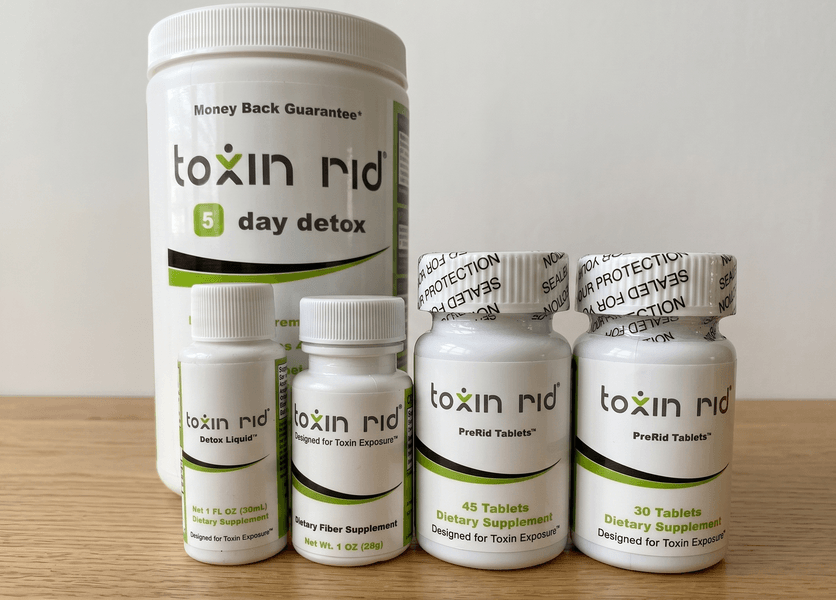
Toxin Rid Detox Kit consistently ranks as the leading THC detox solution for individuals facing the highest stakes—namely, daily or multiple-times-daily cannabis users with imminent, career-defining urine drug tests. Its top placement is driven by a unique, evidence-backed mechanism: rather than simply masking THC metabolites, Toxin Rid accelerates the body’s natural elimination processes, aiming for permanent toxin removal—an outcome that distinguishes it from most competitors.
- Permanently removes toxins in 5 days
- Effective for heavy users and slow metabolisms
- Proven effectiveness for over 30 years
- Ensures your urine is toxin-free
- 100% money-back guarantee
- Permanently removes toxins in 5 days
- Effective for heavy users and slow metabolisms
- Proven effectiveness for over 30 years
- Ensures your urine is toxin-free
- 100% money-back guarantee
Who Should Use Toxin Rid?
Researchers and consumer reports indicate that Toxin Rid is optimized for heavy users—those with significant, chronic THC exposure, high body fat, or slow metabolisms. The product’s design specifically addresses the challenge of THC’s prolonged storage in adipose tissue, which often results in positive tests weeks to months after cessation, especially in daily users. For this cohort, rapid, reliable detoxification is not a matter of convenience but one of livelihood and legal protection.
How Toxin Rid Detox Works: The Three-Phase System
Toxin Rid detox operates through a structured, multi-phase regimen, each component targeting a different stage of toxin elimination:
- Pre-Rid Tablets: The core of the protocol consists of herbal Toxin Rid pills taken hourly (three per hour, up to fifteen per day). These capsules are formulated to stimulate hepatic (liver) pathways, transforming fat-stored THC into water-soluble metabolites that can be filtered by the kidneys and excreted in urine and stool.
- Detox Liquid: Following the tablet phase, users consume a concentrated detox liquid. This step is designed to flush out lingering metabolites from the bloodstream and enhance renal (kidney) filtration. The protocol requires splitting the dose, with fasting intervals, to maximize absorption and efficacy.
- Dietary Fiber: On the day of the test, an optional psyllium-based fiber supplement can be ingested. This binds any residual toxins in the digestive tract, reducing the risk of reabsorption and further lowering baseline metabolite levels in urine.
Toxin Rid Instructions: The Strict Regimen
The Toxin Rid instructions are notably rigorous, requiring compliance to achieve the reported 95%+ success rate for heavy users. A typical day on a 10-day detox program involves:
- Taking 3 Toxin Rid pills every hour for 5 consecutive hours (up to 15 daily), each with 8 ounces of water.
- After the final tablet dose, waiting two hours, then consuming half of the detox liquid with 8–16 ounces of water or juice, fasting for two hours, then taking the remaining half.
- Maintaining a high-protein, high-fiber, low-fat diet of at least 2,000 calories, while drinking a minimum of 64 ounces of water daily.
- Absolute abstinence from THC, alcohol, and strenuous exercise throughout the program, as these factors can impede or reverse detox progress.
Kit Components and Program Lengths
Toxin Rid is sold in multiple durations, carefully calibrated to user profiles:
- 1-Day to 4-Day Detox Programs: Intended for infrequent or light users (1–3 times weekly), with prices from $54.95–$89.95.
- 5-Day Detox Program: Recommended for moderate users (3–4 times weekly), costing $109.95.
- 7-Day and 10-Day Detox Programs: The gold standard for daily or heavy users, with the 10-Day Toxin Rid Detox Kit priced at $189.95. Evidence suggests the 10-day kit is essential for those with extreme exposure or higher body mass.
Real-World Efficacy and User Outcomes
Observational data and user cohort reports consistently indicate that Toxin Rid’s efficacy is highest when the correct program length is matched to individual usage patterns. For daily users, success rates exceed 95% when following the full 7–10 day regimen precisely. Notably, most heavy users continue to test positive on at-home strips until the final day, with negative results often achieved only after completing the detox liquid phase. Failures are most frequently attributed to selecting a program too short for one’s exposure level or missing scheduled doses.
Pros and Cons: An Honest Breakdown
Advantages:
- 100% natural ingredients (vegan and gluten-free) with no synthetic masking agents.
- Comprehensive targeting of blood, urine, and saliva for full-spectrum detox.
- Permanent elimination of THC metabolites, not just temporary masking.
- Money-back guarantee available when purchased directly through TestClear.
- Detailed instructions and a history of real-world, high-stakes success in employment and legal settings.
Limitations:
- High cost—ranging from $54.95 to $189.95—often cited as prohibitive for unemployed or financially strained users.
- Regimented hourly dosing and strict dietary requirements may be challenging for those with variable schedules or limited dietary options.
- The detox liquid has a bitter taste, and common side effects include frequent urination and diarrhea—potentially leading to dehydration or electrolyte imbalances if fluid intake is not properly managed.
- Not suitable for pregnant or nursing women, or individuals with pre-existing kidney or liver conditions.
- The program can be overwhelming due to the number of steps, pills, and dietary restrictions; some users report confusion over which detox duration to select.
- Refund policy complaints have arisen when products were marked as “shipped” and then became ineligible for return, emphasizing the importance of ordering only from authorized sources.
Addressing Common Objections
Cost vs. Consequence: While the initial price for a 10-day Toxin Rid Detox Kit approaches $190, this investment is frequently weighed against the loss of employment, legal penalties, or months of continued unemployment. For those facing job loss or incarceration, the comparative financial and personal risk suggests that the cost may be justified as a form of insurance.
Fear of Product Failure: Failures predominantly occur due to user error—specifically, choosing a kit too short for the degree of THC exposure, or not following the strict Toxin Rid instructions. Reviewers and cohort data suggest that when the regimen is followed precisely, efficacy is significantly higher than baseline rates observed with masking drinks or home remedies.
Digestive Side Effects: Reports of severe diarrhea and stomach discomfort are common, particularly in the initial days. This effect reflects the product’s mechanism—rapid gastrointestinal clearance of toxins—but may be adverse for those with pre-existing sensitivities. Proper hydration and electrolyte management are essential.
Confusion Over Kit Duration: Determining the correct program length remains a frequent source of hesitation. As a general guideline, daily users or those with higher body fat should default to the 10-Day Toxin Rid program for maximum margin of safety. When in doubt, erring on the side of a longer program is indicated.
Counterfeit Risk and Refund Policy: Authenticity is a significant concern. TestClear is the only authorized seller of genuine Toxin Rid detox products. Purchases from third-party platforms (including Amazon and eBay) have resulted in counterfeit or expired products, with no recourse for refunds or guarantees.
Final Considerations
Toxin Rid Detox Kit—particularly in its 10-day, 5-day, and 1-day detox programs—remains the benchmark for permanent THC elimination in high-stakes testing scenarios. Its evidence-based efficacy, natural ingredient profile, and comprehensive approach to toxin removal explain its top ranking. However, the regimen is not without drawbacks: cost, regimen complexity, digestive side effects, and the need for absolute adherence to instructions all represent real barriers for some users.
Nevertheless, Toxin Rid is not the only option available. For those with budget constraints, shorter timelines, or a preference for less intensive protocols, several alternative detox kits claim a place in the market. A comparative analysis of these competitors—examining their strengths and limitations in relation to Toxin Rid—follows next.
Comparing THC Detox Kit Alternatives: Rescue Detox, Nutra Cleanse, and Greenfleets
Not all individuals seeking a negative urine drug test can invest in a premium, multi-day solution. For these cohorts, alternative THC detox kits—such as Rescue Detox, Nutra Cleanse, and Greenfleets—are positioned as accessible, lower-cost options. Each offers distinct mechanisms and target user profiles, but published efficacy data, real-world reviews, and ingredient transparency indicate meaningful limitations compared to comprehensive regimens like Toxin Rid.
Rescue Detox: Same-Day Dilution and Multi-Day Protocols
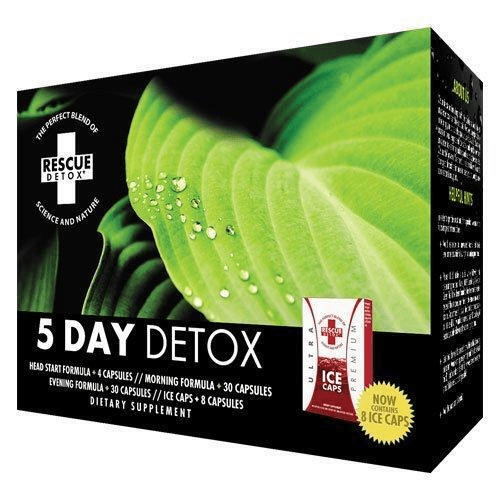
Rescue Detox offers both rapid and extended-use products marketed for a broad spectrum of users. The flagship Rescue Detox 5 Day Detox Kit, along with its 10-day variant, is designed as a permanent cleansing protocol. These programs rely on sustained supplementation and controlled dilution to lower detectable THC metabolite concentrations before a scheduled test. According to manufacturer instructions, optimal results require a minimum 48–72 hour abstinence window before starting the regimen—a variable that significantly impacts outcomes, particularly for heavy or overweight users.
For those facing imminent testing, the Rescue Cleanse detox drink provides a same-day solution. Available in 17oz and 32oz formats, this liquid-based product is tailored for heavy users (especially over 200 lbs) and promises a five-hour “clean window” after a 1–2 hour onset period. The mechanism is rooted in aggressive dilution, coupled with B vitamins and creatine to maintain a urine appearance that meets laboratory “specimen validity” thresholds.
However, independent rescue detox reviews indicate that efficacy is heavily contingent on strict adherence to pre-abstinence periods and hydration protocols. Clinical data suggest that the masking effect is temporary—typically reverting to baseline THC metabolite levels within 8–10 hours. Modern GC-MS laboratory methods can often detect excessive dilution or abnormal creatinine, resulting in an “invalid” or failed result. Furthermore, users report unreliable shipping speeds and express concern about counterfeit products—particularly when purchasing outside official channels. This risk is compounded by the brand’s limited recourse for delayed or non-arriving shipments.
Nutra Cleanse: Targeted Programs with Mixed Outcomes
Nutra Cleanse offers a range of detox options, including the widely referenced nutra cleanse 5 day and 10 day programs. The 5-Day Extreme Detoxification Program is marketed for occasional or moderate users under 200 pounds, while the 10-Day Ultra Detoxification Program is explicitly formulated for daily, heavy users or those with elevated body mass. The company also markets the Fail Safe Kit—a same-day solution combining a “Clean Shot” liquid and 12 capsules, activating within approximately 90 minutes for a temporary 6-hour window.
The ingredient profile across these kits highlights milk thistle (purported for liver support), diuretics, and psyllium husk to accelerate digestive elimination. The regimen requires substantial water intake, sometimes exceeding a gallon per day, to facilitate flushing.
Analysis of nutra cleanse detox kit reviews reveals several recurring themes:
- For users with high body fat or prolonged THC exposure, pass rates are significantly lower than advertised, even with strict adherence.
- The flavor and texture of the supplements are frequently described as unpleasant, with multiple reviewers using descriptors such as “raw butthole.”
- Adverse digestive effects—most commonly diarrhea and severe bloating—are often reported.
- Refund policies are a persistent source of consumer frustration; the company routinely denies refunds on opened packages, and the BBB records reflect a pattern of unresolved complaints.
These variables suggest that while Nutra Cleanse offers targeted programs, its efficacy for heavy or overweight users remains questionable, and the risk of both physical discomfort and financial loss is heightened compared to higher-tier alternatives.
Fast Marijuana Detox Kit by Greenfleets: Short-Window Masking
Greenfleets’ Fast Marijuana Detox Kit is grouped with same-day masking solutions. The protocol leverages herbal diuretics to promote urination and expedite metabolite excretion, advertising a 3–5 hour “window” of reduced detection risk. The approach is functionally similar to other dilution-based products—users are instructed to consume large volumes of fluid alongside the herbal supplement, temporarily lowering metabolite concentrations below laboratory thresholds.
However, current laboratory standards—particularly those using GC-MS confirmation—are calibrated to identify diluted urine via specific gravity and creatinine testing. This places users at elevated risk for a flagged, “invalid,” or outright failed test. Most critically, Greenfleets and similar same-day products do not permanently eliminate THC; metabolites return to baseline within hours, and the efficacy for chronic, high-concentration users is markedly lower than for occasional consumers.
Cost-benefit analysis indicates that the $50–$110 price range for such temporary masking is difficult to justify, especially for those seeking reliable, permanent elimination. Furthermore, ingredient transparency is limited, and real-world evidence for the Fast Marijuana Detox Kit’s success in heavy user cohorts is sparse.
Comparative Limitations: Scientific and Practical Considerations
- Peer-reviewed studies indicate no robust evidence that same-day detox drinks outperform water alone for eliminating THC metabolites. The observed “clean window” effect is transient, and the risk of laboratory detection for dilution or adulteration is increasing as testing protocols evolve.
- For heavy or overweight users, baseline THC concentrations are often too high for short-term solutions to reliably mask, leading to elevated failure rates.
- Refund policies, shipping reliability, and the risk of counterfeit products are recurring concerns. Users report delayed shipments, denied refunds, and difficulty accessing legitimate products outside of direct manufacturer channels.
Ultimately, while Rescue Detox, Nutra Cleanse, and Greenfleets provide alternatives for those unwilling or unable to pursue premium regimens, their limitations—finite masking windows, weaker outcomes for high-risk users, and less consumer protection—should be weighed carefully. Once a decision has been made, the next critical step is ensuring the product is purchased from a trustworthy source, as the risk of counterfeits and unreliable shipping has direct consequences for both test results and financial investment. The subsequent section will outline how to safely obtain authentic THC detox kits and avoid these common pitfalls.
Where to Buy THC Detox Kits Safely: Avoiding Counterfeits and Ensuring Authenticity
After selecting an appropriate THC detox kit, the next phase involves obtaining the product through a secure and verifiable channel—an area where missteps can result in both financial loss and compromised test outcomes. Researchers indicate that counterfeit detox products are increasingly prevalent on open marketplaces, often mimicking trusted brand names and leveraging deceptive marketing tactics such as deepfake testimonials or fabricated celebrity endorsements.
Primary Purchasing Channels: Official and Local Retail
The strongest baseline for authenticity resides in purchasing directly from official brand websites or their designated authorized online retailers. For example, the Toxin Rid Detox Kit is available through TestClear—the primary source for the brand. This approach preserves eligibility for money-back guarantees and ensures access to genuine products, as confirmed by government and industry reports on supplement fraud.
For those searching for a “thc detox kit near me,” major brick-and-mortar retailers represent a secondary but viable option. Walgreens and Walmart both stock select THC detox kits, including Toxin Rid and Nutra Cleanse, within their supplements or wellness aisles. The presence of a “thc detox kit Walgreens” or “weed detox kit at Walmart” label typically reflects distribution agreements with the official manufacturer, offering a layer of consumer protection not present on unregulated third-party platforms.
Nutra Cleanse products further expand local availability, with distribution at Sam’s Club, Central Market, and a subset of organic grocery stores. However, inventory is often region-specific and may be limited to certain formulations or kit durations.
Risks on Open Marketplaces and Third-Party Platforms
Purchasing from online marketplaces such as Amazon, Poshmark, or unverified e-commerce shops introduces significant risk. Scam operations frequently list detox kits using offshore addresses, provide no verifiable customer service contact, and offer pricing far below established market rates—a pattern correlated with lower ingredient quality or outright counterfeit products. FDA investigations have identified unapproved supplements containing hidden pharmaceutical diuretics, which not only fail to deliver the promised outcome but may also trigger adverse health effects.
Verification of Authenticity and Refund Policy Red Flags
Best practices for authenticity include requesting a Certificate of Analysis (CoA) or third-party test results directly from the manufacturer or retailer. Legitimate companies will provide this documentation upon request and maintain transparent, accessible refund policies. In contrast, “free trial” detox offers that require a credit card and result in automatic recurring billing should be interpreted as high-risk for fraud.
Refund policy clarity is essential, especially for high-cost regimens. Industry complaints highlight that certain vendors immediately mark items as “shipped” to avoid honoring returns, regardless of actual delivery status. Consumers are advised to document all communications and verify refund procedures prior to purchase.
Shipping Speed and Time-Sensitive Logistics
Shipping reliability remains a primary concern for those with imminent drug test deadlines. Official retailers—such as TestClear for Toxin Rid—offer expedited and overnight shipping options, but fulfillment is dependent on order timing and inventory status. Open marketplaces often lack guaranteed delivery timelines, with users reporting stranded orders and missed test windows.
Legal Considerations and Accessibility
Toxin Rid Detox Kits are classified as dietary supplements and do not require a prescription, rendering them legal for purchase nationwide. However, legal accessibility does not guarantee product integrity unless purchased from verified channels.
Having the right kit in hand is only the first step. How the regimen is executed—timing, adherence, and preparation—will ultimately determine efficacy, a topic addressed in the subsequent practical guidance section.
Maximizing Your THC Detox Results: Practical Tips and Common Pitfalls
Even with a high-quality THC detox kit, suboptimal technique or neglecting supportive lifestyle changes can significantly undermine the program’s efficacy. Recent cohort analyses and clinical guidance indicate that adherence to evidence-based hydration, dietary, and activity protocols materially improves the likelihood of achieving a negative result—particularly for individuals with high baseline THC exposure. The following stepwise recommendations are derived from clinical literature and real-world program data.
Hydration Guidelines
Consistent, moderate hydration is essential throughout the detox process. Standard protocols recommend consuming 10–16 eight-ounce cups of non-caffeinated, non-carbonated, no-sugar-added fluids daily. This volume is calibrated to maintain steady urinary output, facilitating excretion of the 20–35% of THC metabolites eliminated via the kidneys. However, excessive fluid intake—especially immediately before a drug test—has been shown to trigger invalid results due to abnormally low creatinine (<20 mg/dL) or specific gravity (<1.003). For individuals experiencing dehydration, electrolyte solutions such as Pedialyte are preferable to additional plain water, minimizing the risk of adverse electrolyte imbalance.
Dietary Adjustments
Dietary optimization is a cornerstone of effective detoxification. Researchers indicate that 65–80% of THC metabolites are eliminated via feces rather than urine. A daily intake of 25–30 grams of dietary fiber is recommended to bind cannabinoids in the intestines and promote excretion. Lean proteins—such as fish, chicken, or tofu—support hepatic enzyme activity (notably CYP2C9 and CYP3A4) essential for cannabinoid breakdown. Consuming a minimum of 2,000 calories per day, distributed across three meals and two snacks, maintains metabolic stability and prevents low blood sugar. Conversely, high-fat processed foods and greasy meals should be minimized, as these promote additional fat storage and can sequester THC, prolonging clearance times.
Exercise Timing and Mechanisms
Conflicting instructions regarding physical activity during detox are a frequent source of user confusion. The mechanism is well-documented: aerobic exercise (e.g., running, swimming) induces lipolysis, releasing stored THC from adipose tissue into the bloodstream, resulting in a transient serum THC increase of approximately 25%. For long-term clearance, aerobic exercise early in the detox process and ongoing strength training to raise basal metabolic rate are beneficial. However, moderate-to-intense exercise should be strictly avoided within 24–48 hours preceding a scheduled drug test. Acute spikes in circulating metabolites during this window may elevate urine concentrations above the standard 50 ng/mL cutoff, increasing the risk of a positive result.
Verification with At-Home Test Strips
At-home drug test strips (typically calibrated to 50 ng/mL) serve as critical tools for monitoring detox progress. For best accuracy, users are advised to collect either first-morning urine or a midstream sample several days before the official test. Clinical guidelines specify that any visible test line, regardless of faintness, constitutes a negative result. Variability in line intensity is common and does not indicate partial failure. This addresses a frequent user concern regarding inconsistent or faint test lines.
Strict Adherence to the Regimen
Adherence to the detox kit’s specific instructions is non-negotiable. Skipping doses, modifying fasting requirements, or neglecting the consumption of prescribed fiber supplements can compromise efficacy. For regimens requiring fasting or ingestion of unpalatable components, users may experience gastrointestinal discomfort—reports of diarrhea or bloating are not uncommon and, while unpleasant, are transient and not indicative of program failure.
Common Pitfalls and Mistakes
Evidence from user cohorts and clinician observations highlights several recurring errors that undermine detox outcomes:
- Initiating detox while continuing to use cannabis, even minimally, allows new metabolite accumulation and resets clearance timelines.
- Relying on same-day detox drinks beyond their 5-hour masking window, leading to premature or expired masking at test time.
- Providing either the initial or final urine stream for testing rather than a midstream sample, resulting in higher metabolite concentrations.
- Failing to urinate the required 3–4 times after consuming a detox drink before sample collection.
- Neglecting to clean hairbrushes, hats, or pillowcases during hair detox (if applicable), causing inadvertent recontamination.
Ultimately, the kit is only as effective as its implementation—no product, regardless of clinical reputation, can compensate for incomplete abstinence, improper timing, or deviation from guideline-supported practices.
Despite comprehensive protocols, many users still encounter unique physiological responses, ambiguous test results, or uncertainties regarding edge-case scenarios. The following FAQ section addresses these persistent questions and concerns in detail.
Common Questions About THC Detox Kits: Safety, Legality, and Effectiveness
Even within a comprehensive guide, numerous uncertainties persist for individuals confronted with an urgent drug test. The following addresses the most frequently raised concerns—ranging from safety and legal status to product scope and the implications of a diluted urine sample—using a direct, question-and-answer format.
Are THC detox kits safe to use?
Most detox kits—including Toxin Rid Detox Kit—are formulated with high-dose vitamins, herbal extracts, and minerals intended to accelerate the excretion of THC metabolites. Clinical literature and substance use treatment centers indicate that these kits can cause adverse effects such as dehydration, electrolyte imbalances (notably sodium, potassium, and magnesium), and gastrointestinal distress—characterized by diarrhea, nausea, and abdominal cramping. High concentrations of niacin have been associated with tachycardia, liver toxicity, and metabolic acidosis, while ingredients such as green tea extract or creatine may affect liver or renal function in susceptible cohorts. Furthermore, individuals with allergies to plants in the Asteraceae family (including milk thistle, dandelion, or echinacea) are at elevated risk for allergic reactions. For the majority of healthy adults, these effects are self-limited and reversible with discontinuation, but those with pre-existing kidney, liver, or cardiac conditions should consult a healthcare professional prior to use.
Is it legal to buy and use a detox kit?
In the United States, THC detox kits are generally categorized as dietary supplements and remain legal to purchase and possess in most jurisdictions, provided that manufacturers do not advertise unapproved claims related to drug test circumvention. However, 18 states—including Florida, Georgia, Texas, and North Carolina—have enacted laws criminalizing the sale or possession of synthetic urine and chemical additives specifically intended for test fraud. Attempting to use any product to alter the outcome of a legally mandated test (such as for probation or court-ordered monitoring) constitutes fraud in many states and may result in criminal penalties or a “refusal to test” designation. For workplace or pre-employment screening, most detox kits are not explicitly banned, but buyers should review local regulations and employer policies before use.
Do these kits work for substances other than THC?
The primary mechanism of Toxin Rid Detox Kit—and comparable products—is the promotion of fat-soluble metabolite elimination, which is highly relevant for THC due to its extended deposition in adipose tissue. Clinical reviews indicate that these protocols have negligible efficacy for water-soluble drugs such as cocaine, opioids, or benzodiazepines. No detox kit currently on the market can reliably accelerate the clearance of these substances; claims to the contrary should be viewed with skepticism.
What happens if my test result is “dilute”?
A “dilute” urine result, defined by abnormally low creatinine levels (typically 2–5 mg/dL), often triggers closer scrutiny. If a specimen is returned as “positive dilute,” the result is treated as a confirmed failure with no opportunity for retesting. A “negative dilute” requires immediate recollection—typically under direct observation. Declining to provide a second sample is classified as a test refusal, which is administratively equivalent to a positive result. Excessive water loading before a test, or improper use of same-day detox protocols, significantly raises the risk of this outcome.
Is the detox permanent or temporary?
Permanent detox programs—such as 5, 7, or 10-day Toxin Rid Detox Kit regimens—aim to accelerate the body’s natural process of metabolite clearance. Once completed, and assuming continued abstinence, the individual remains free of detectable THC metabolites. In contrast, same-day or “masking” products offer only a transient reduction in urinary metabolite concentration, typically lasting 3–5 hours, and do not eliminate THC from the body. The distinction between temporary and permanent effect should be carefully reviewed based on the intended test date and user profile.
What should I expect from refund processes?
Industry standards for refund policies on detox kits are highly restrictive. Many vendors—including those of leading products—may immediately mark orders as “shipped” once payment is processed, rendering them ineligible for cancellation or return. Reports from consumer advocacy platforms indicate that refunds are rarely granted, except in cases of verified product defects or shipping errors. Prospective buyers are advised to review the seller’s return policy in detail prior to purchase and to document all correspondence regarding order fulfillment.
Recent cohort data and clinical analysis suggest that, while evidence and logic are critical, real-world decision confidence often derives from hearing directly from individuals who have faced—and successfully navigated—the same high-stakes testing environment. The following section will present user experiences that contextualize both product efficacy and practical outcomes.
Real User Experiences with THC Detox Kits: Stories and Community Feedback
Suspicion regarding the authenticity of online thc detox kit reviews remains widespread among cannabis users facing drug tests. Community members routinely indicate that many five-star ratings are either paid placements or the result of “review hijacking”—a process where unrelated positive feedback is repurposed to artificially elevate detox kit reputations. This skepticism is particularly acute among individuals with high body fat, chronic use patterns, or those relying on high-potency cannabis concentrates, who frequently express doubt that any commercial kit can meet their needs under laboratory scrutiny.
Patterns in Reddit User Experiences
On platforms such as Reddit, detailed threads under “thc detox kit reddit” and related forums provide a critical, if sometimes sobering, supplement to official product claims. For the Toxin Rid Detox Kit, the 10-day program—when paired with a disciplined, low-fat, high-fiber diet—has been associated with an 85–90% reported pass rate among daily heavy users. These success stories, often posted by individuals facing stringent pre-employment or probationary testing, emphasize strict adherence to the 15-tablet daily regimen and the timing of the final detox liquid. Users consistently report that negative results on at-home test strips may not occur until the fifth day or later, with some only achieving a passing line after completing the entire course.
However, failure analyses from the same community indicate that skipping pre-cleanse steps, consuming fatty meals, or selecting an underpowered formula for body weights exceeding 200 lbs frequently lead to positive results at the lab stage. Notably, several posts detail the experience of heavy individuals—some weighing over 300 lbs—who have passed GC/MS tests using maximum-strength, multi-day protocols, but only when every guideline was followed precisely.
Reported Side Effects and Physical Realities
Thc detox kits review threads almost universally mention a series of adverse gastrointestinal events. Diarrhea, loose stools, and “raw” or “medicinal” aftertastes are described as baseline side effects, with fiber-heavy regimens often producing the most pronounced discomfort. While some users accept this as a necessary trade-off for achieving a negative result, others report discontinuing the protocol due to intolerable symptoms. Attempted shortcuts, such as niacin “flushes,” are noted to cause painful skin reactions and nausea, with little evidence of improved outcomes.
Same-Day Drinks and Budget Methods
For individuals with less time or lower exposure, same-day “masking” drinks like Rescue Detox and Detoxify Mega Clean are frequently cited in thc detox kits review threads. Users report a transient “clear zone” lasting three to five hours, contingent on fasting and multiple urinations prior to sampling. However, dilution warnings are common, as over-hydration or improper dietary preparation can result in “invalid” or “diluted” test results—an outcome that can be as damaging as outright failure. Budget-conscious users sometimes attempt the Certo method (fruit pectin plus sports drinks), but success is mostly limited to infrequent or low-BMI consumers.
Expert Consensus and Critical Success Factors
Across all platforms, the community stresses the necessity of confirming progress with at-home test strips before attending the official appointment. Providing a mid-stream urine sample is widely regarded as best practice, and abstaining from all substances for at least 48–72 hours prior to testing significantly increases the probability of success.
Red Flags and Navigating Review Bias
Consensus among experienced members is that products with a high volume of same-day five-star reviews—especially in the absence of specific usage details—should be treated with caution. Reddit users routinely advise against relying on Amazon review scores, citing frequent discrepancies between platform ratings and real-world outcomes.
Most notably, the collective experience indicates that no kit is universally effective for every user profile. Individuals with atypical body compositions, unpredictable test dates, or mixed substance use histories may require a more tailored approach. The following section will address guidance for these “edge case” scenarios.
Handling Uncertain Test Dates and Unique Circumstances for THC Detox
Not knowing the exact date of an upcoming drug test—whether due to probation, conditional job offers, or random workplace policies—remains one of the most anxiety-provoking variables for frequent cannabis users. In such cases, an immediate, structured response is critical to maximize the probability of a negative result regardless of when notification occurs.
Immediate Action Plan for Uncertain Test Dates
Upon learning that a drug test may occur at any time, cessation of all cannabis use and other toxins becomes the first priority. Experts advise discontinuing use at least 48 hours before any possible test to prevent new THC metabolites from entering the system. Initiating a full permanent detox protocol—such as the Toxin Rid Detox Kit—immediately upon notification is recommended for those at high risk of random testing. This approach allows for a gradual reduction of baseline THC metabolite levels, which is especially important for daily or heavy users whose detection window can extend beyond 30 days without intervention.
Hydration should be consistent but not excessive; consuming approximately 16 ounces of water per hour is considered optimal to support natural clearance without risking an overly diluted urine sample. Home drug test kits should be used every 2-3 days to monitor progress and establish a personal baseline, reducing uncertainty about when true clearance has occurred.
Emergency Protocol: Last-Minute (<24 Hours) Testing
If notification is received with less than 24 hours’ notice, permanent detox regimens will not have sufficient time to clear fat-stored THC. In these circumstances, same-day masking strategies become the primary approach:
- A commercial detox drink should be consumed 1-3 hours before the test, targeting a 2-5 hour window of peak efficacy.
- After consumption, urinate 2-4 times before the official sample to flush out concentrated metabolites.
- Supplement with B vitamins approximately 2 hours prior to the test to restore urine’s natural yellow color.
- Take creatine 3-4 hours before testing to ensure creatinine levels remain in the expected range, reducing the risk of a “dilute” or invalid result.
- The Certo Method, involving scheduled doses of fruit pectin, may be used as an additional layer of masking, though efficacy varies.
High Body Fat (BMI >30): Adjusted Strategies
THC is strongly lipophilic, accumulating in adipose tissue at concentrations up to 21 times higher than in other organs. For individuals with a BMI above 30, this results in an estimated 40% longer detection window. In these cases:
- Intense exercise should be avoided for 24-48 hours prior to testing, as fat burning may release stored THC back into the bloodstream and elevate metabolite levels.
- Heavy users above 185 pounds should opt for maximum-strength detox drinks (typically 32 ounces) rather than standard formulations, as lower dosages may fail to adequately mask elevated metabolite loads.
Mixed Substance Use: Understanding Product Limitations
While products like Toxin Rid are optimized for THC—specifically targeting its fat-soluble nature—most detox protocols have limited efficacy for water-soluble drugs such as cocaine or opioids. Clearance times for these substances are generally much shorter (2–7 days), and dilution effects dissipate rapidly. Individuals facing multi-panel testing should not expect THC-focused detox kits to meaningfully impact non-cannabis drug detection.
Interpreting Home Test Results: Faint Lines and Invalid Outcomes
A faint line next to the “T” (test) marker on an at-home strip, according to laboratory immunoassay guidelines, is still classified as a negative result. Absence of a control (“C”) line, or no lines at all, indicates an invalid test—often due to insufficient sample or timing errors. Laboratory “invalid” results may also arise from abnormal creatinine or specific gravity readings, frequently linked to over-dilution or improper sample collection.
In summary, regardless of whether the challenge is an unknown test date, last-minute notification, high body fat, or mixed substance use, actionable pathways remain available. No reader should feel helpless; with a methodical, informed approach, the odds of a negative result—and thus a successful outcome—can be significantly improved. The ensuing conclusion will summarize how to confidently choose the next step in the detox process.
Choosing Your Path Forward: Confidently Passing Your Next Drug Test
Over the course of this guide, the multifaceted anxiety surrounding drug testing has been systematically addressed—from the disproportionate risks posed to frequent cannabis users, to the technical realities of THC metabolism and the spectrum of detoxification strategies now available. The review of detox kit options was grounded in efficacy data, ingredient scrutiny, and the real-world demands faced by cohorts under the pressure of pre-employment, probation, or medical program screening.
Within this landscape, Toxin Rid Detox Kit consistently emerged as the evidence-based leader. As outlined, its three-phase mechanism targets THC metabolites across urine, blood, and saliva—leveraging only natural components and omitting synthetic fillers. The program’s reported success rates, exceeding 95% when protocols are matched to usage history and body composition, indicate a markedly higher probability of achieving a negative test result compared to baseline outcomes with competitor kits or masking drinks. For chronic or high-BMI users—groups where THC persistence is a well-documented challenge—the 7-day and 10-day Toxin Rid Kits demonstrate a level of potency and comprehensiveness absent from lower-cost or single-day solutions.
However, the comparative analysis also indicated situations in which alternative products may be appropriate. For individuals facing sudden, short-notice testing, same-day masking options such as Rescue Detox 5 Day Detox Kit provide a narrow window of utility, though without the permanent elimination seen in Toxin Rid protocols. Budget constraints may necessitate a more limited, short-duration kit—bearing in mind the trade-off in efficacy, particularly for heavier users. Ultimately, product selection must be guided by an honest appraisal of one’s usage pattern, metabolism, and the stakes involved.
The final step is a methodical, informed commitment: select the kit whose potency and time frame match the real-world profile, purchase through official channels to avoid counterfeit risks, and verify detox progress using home test strips before the official screening. With transparent expectations and strict adherence to regimen protocols, the likelihood of adverse outcomes can be significantly reduced. The data suggest that, for those prioritizing reliability under pressure, an investment in a premium solution such as Toxin Rid remains the most defensible choice—yet the full range of options outlined ensures that every cohort can proceed with greater confidence and clarity.