
Pass a Drug Test on Probation: Facts & Legal Guidance
Let’s cut right to it.
The core challenge is how to pass a drug test when the stakes are your freedom.
This isn’t about a pre-employment screen.
This is probation.
And that changes everything.
The fear is real.
Fail, and you’re not just losing a job opportunity.
You’re facing a violation hearing.
That means extended supervision, mandatory rehab, hefty fines, or even jail time for the sentence you originally avoided.
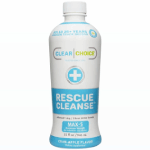
- Hits the "Clean Zone" in just 2 to 4 hours.
- Packed with B-vitamins & Creatine for natural yellow pee.
- Great taste that won't make you sick or throw up.
- Gives you a safe 5-hour window to pass your test.
- Backed by 30+ years of science to save your job and freedom.
It’s a tidy nightmare.
And here’s the part that feels utterly unfair.
THC metabolites cling to your fat cells.
For weeks. For months.
While someone who used harder drugs last weekend might pass with flying colors, your joint from three weeks ago could still show up.
It’s atrocious.
So what do people do?
They panic.
They search for the best way to pass a drug test and dive headfirst into a swamp of bad advice.
Quick-fix detox drinks. Sketchy synthetic urine. Drinking a gallon of cranberry juice until they’re sick.
But here’s the juicy secret nobody wants to hear.
Most of that advice is wrong.
And worse, it’s risky.
Trying to cheat the test can slam you with consequences just as hard as failing it.
This guide is different.
We’re not selling a miracle.
We’re here to obliterate the myths.
To replace your panic with a clear, accurate understanding of what actually works.
Think of it as a myth-busting manual for how to pass a drug test for weed when your record—and your life—is on the line.
Let’s get into it.
Understanding Urine Drug Testing: Cutoffs, Validity, and What ‘Passing’ Actually Means
So you’ve got the panic. You’ve got the myths. Now let’s get the facts.
What does a lab actually do with your pee?
It’s not magic. It’s a process. And understanding it is your first real power move.
The Two-Step Test
Think of it like a bouncer at a club.
First, there’s the initial screening test. This is a fast, cheap check. It looks for drug classes, not specific drugs. It uses a cutoff level—like a finish line.
If the drug amount in your sample is below that line?
The test reports negative.
If it’s at or above the line?
It gets a presumptive positive. “Presumptive” is the key word here. It’s not final.
That’s when the bouncer calls for backup.
Your sample goes for confirmatory testing. This uses high-tech gear like GC-MS. It’s the gold standard. It can pinpoint the exact molecule. And its cutoff level is usually lower. More sensitive.
For weed (THC metabolites), the common screening cutoff is 50 ng/mL.
The confirmatory cutoff? 15 ng/mL.
So passing means staying under both lines.
The “Faint Line” Dilemma
You’re using a home test. You see a faint line. Is that a pass?
Here’s the deal: on a home test, any visible line usually means negative. Even a whisper of a line.
But don’t pop the champagne yet.
A lab test is different. It’s more precise. A faint line on your cheap home kit doesn’t guarantee you’ll pass a lab’s stricter machine. The cutoffs can vary. Your home test might be 50 ng/mL. The lab’s confirmatory is 15 ng/mL.
So a faint line at home is a good sign. But it’s not a guarantee for the lab.
The Sneaky Check: Specimen Validity
Before they even check for drugs, they check your pee itself.
Is it actually human urine? Is it too watery?
They test for:
- Creatinine (a waste product in urine)
- Specific Gravity (how dense it is)
- pH (acidity)
This is where the “diluted” trap slams people.
Why Drinking a Gallon of Water is a Trap
You think: “I’ll just flush it out! Drink a shitload of water!”
The lab thinks: “This sample is suspicious as hell.”
If your creatinine is super low and your specific gravity is off, they label it dilute.
A dilute negative might mean you pass. But it’s a huge red flag. For probation or DOT tests, a dilute result can force an immediate re-test. Often under direct observation. No privacy. No second chances to strategize.
And if it’s too dilute? It can be called a substituted specimen. That’s treated as a refusal to test. Which is often treated as a positive.
Game over.
Can water pass an at-home drug test? Maybe. Temporarily. By diluting your sample below the home test’s cutoff. But it’s a horrible strategy for a real lab. They’re built to catch it.
The Different Menus: 5, 9, 10 Panels
Not all tests check for the same stuff.
- A 5-panel is the classic: weed, cocaine, opiates, amphetamines, PCP.
- A 9-panel adds stuff like benzodiazepines and barbiturates.
- A 10-panel might throw in extras like methadone or propoxyphene.
Passing a 5, 9, or 10 panel test means knowing what’s on the menu. Your prep for a weed-only test might differ if you also take prescribed anxiety meds that could cross-react.
How to pass a lab drug test or an instant cup test starts with this same knowledge. The instant cup has the validity checks built right in. The lab just does it with more precision.
So, the mechanics are clear. Cutoffs, validity checks, and a two-step process.
But here’s the juicy part that changes everything…
Who orders the test—and why—dictates which rules they play by. And some rules are way more brutal than others.
How Testing Policies Differ: Probation vs. Pre-Employment and Why It Matters
Same test. Different rules. And the consequences? Night and day.
Let’s break it down.
A standard pass drug test for employment is usually a 5-panel screen. It’s a hurdle. A box to check for HR. Fail it, and the job offer vanishes. It sucks, but you move on.
Now, how to pass a drug test for a probation officer? That’s a different beast entirely.
This isn’t about a job. It’s about your freedom. The oversight is tighter, the stakes are immediate, and the tolerance for games is zero.
Here’s the juicy detail that changes your entire strategy: Who watches you pee.
For a pre-employment test, you’re usually alone in a bathroom. Maybe they check the temp. Maybe not.
For probation? Direct observation is common. An officer may be right there. They’re not just checking if it’s warm; they’re watching for any switch, any fake, any bottle. According to federal guidelines (like DOT and SAMHSA), a prior “diluted” or “invalid” result is a direct trigger for an observed collection. On probation, a single suspicious result can trigger that same level of scrutiny.
And a “diluted” specimen?
On a job test, it might just mean an awkward retest. You might get lucky.
On probation? A diluted sample can be treated as a failed test. It’s seen as an attempt to cheat. That can mean an immediate violation hearing. Jail time. It’s not an inconvenience; it’s a slammed door.
You also need to know the exact panel. Is it just THC? A 5-panel? A 10-panel that might catch your prescribed benzodiazepine? Understanding the substances on the menu is critical for knowing your personal risk.
So, the policy dictates the pressure. One path leads to a lost job opportunity. The other leads straight back to a courtroom.
This is why so many panic and start believing in magic bullets. They think if they just find the right product or the right trick, they can guarantee a negative result, no matter the rules.
But that’s the central myth we need to obliterate next.
- Hits the "Clean Zone" in just 2 to 4 hours.
- Packed with B-vitamins & Creatine for natural yellow pee.
- Great taste that won't make you sick or throw up.
- Gives you a safe 5-hour window to pass your test.
- Backed by 30+ years of science to save your job and freedom.
Why Time Is the Only Reliable Factor in THC Elimination
Let’s obliterate the biggest lie first.
The myth: You can speed up THC elimination with special products or extreme methods.
The fact: Time is the only reliable factor. Here’s why.
Think of your body like a storage facility.
THC metabolites (the stuff tests look for) are lipophilic. That’s a fancy word meaning they love fat.
After you use cannabis, these metabolites get stored in your body’s fat cells, not just floating in your blood or urine.
So, your fat tissue becomes a slow-release reservoir.
Metabolites trickle out of your fat, into your bloodstream, and then to your kidneys at a rate dictated by your own biology.
You can’t force a flood. You can only wait for the leak to stop.
This is why the question “how long does it take to pass a drug test for THC” has no single answer.
But we have solid averages.
Realistic Detection Windows (at standard 50 ng/mL cutoff):
- Single use: 1-3 days.
- Moderate use (a few times a week): 5-7 days.
- Daily chronic use: 10-15 days.
- Heavy chronic use (all day, every day): 30 days or longer. For some, it can be 60-90+ days.
That last number is the killer.
If you’re a daily user asking “how long do you need to be clean to pass a urine drug test,” the honest answer is at least 30 days of abstinence. Often more.
Why does your friend pass in a week while you’re dirty for two months?
It’s not fairness. It’s biology.
Your personal detection window depends on:
- Usage frequency: More use = more stored metabolites.
- Body fat percentage: More fat = more storage space.
- Your metabolism: A faster metabolism clears things quicker.
- Age, hydration, liver health.
This is where a detection window calculator or quiz can help.
They’re not perfect, but they use your weight, usage habits, and metabolism to give you a personalized estimate of how long it takes to get weed out of your system instead of a generic guess.
And here’s the cruel irony that pisses everyone off:
A person using cocaine or meth can test clean in 3-5 days.
Those drugs water-soluble. They flush out fast.
THC is fat-soluble. It clings on for dear life.
It feels massively unfair.
And that frustration drives people to look for shortcuts.
But your body’s biochemistry doesn’t care about fairness or your deadline.
It operates on its own schedule.
The only way to guarantee you’re clean is to stop consuming and give your body the time it needs to clear the backlog from your fat cells.
A critical warning about exercise:
You might think, “I’ll just burn the fat!”
Be careful.
Intense exercise right before your test (24-48 hours) can mobilize fat, releasing a spike of stored THC metabolites into your blood and urine.
This could temporarily increase your levels and cause a positive result right when you can’t afford it.
So, time is the non-negotiable currency.
But people are desperate. They hear the clock ticking and start believing in magic bullets.
They hear stories of detox drinks, synthetic urine, and crazy home remedies that promise to beat the system.
They want a shortcut.
And that’s exactly what we need to dismantle next.
Common Myths Debunked: Detox Drinks, Home Remedies, and Tampering Risks
You’re desperate. You’ve got a test in a week, or maybe even tomorrow. You’re searching for a miracle.
I get it. The internet is full of promises.
But almost every “quick fix” you’re reading about is a trap. They play on your panic and leave you with a failed test, an empty wallet, and a world of trouble.
Let’s break down why.
The Detox Drink Illusion
First up, the drink to pass a drug test. You’ve seen them. Rescue Detox, Detoxify, Stinger… the list is long.
Here’s the gangster truth: these are not magic cleanses.
They are dilution agents.
Their main job is to make you pee a ton. They flood your system with water and diuretics to flush metabolites out of your bladder. Then, they try to hide the fact your urine is basically water. Our Detoxify Mega Clean review explains exactly how these products function and their limitations.
How?
- They pack in B-vitamins to turn your pee yellow.
- They dump in creatine to try and normalize your urine’s “thickness” (specific gravity).
But labs are onto this. It’s not 1995 anymore.
Modern specimen validity testing (SVT) checks for exactly this. If your creatinine is below 20 mg/dL or your specific gravity is rock-bottom, you get flagged for a “dilute” result.
That doesn’t mean you pass. It means suspicion. It often means an automatic, supervised retest. You’ve just bought yourself more stress and a second, harder chance.
The effective window for these drinks is also fiddly—maybe 60 to 90 minutes of peak effect. If your timing is off, you’re just drinking expensive, foul-tasting water.
And the side effects? People report feeling bloated, nauseous, and spending days with their “booty burning” from the digestive onslaught. For $200? That’s a raw deal.
Home Remedies: From Useless to Dangerous
Next, the folklore. The “how to pass a drug test if you smoked last night” nonsense.
Vinegar? It might change your pee’s pH, but it does nothing to THC metabolites. Labs test pH. You’ll just get flagged for an invalid sample.
Niacin? This one is dangerous. There’s zero proof it clears fat-soluble THC. What it does cause is severe flushing, nausea, and at high doses, real liver toxicity. You’re poisoning yourself for nothing.
Cranberry juice? A mild diuretic. Same dilution problem as above, with zero detox power.
Baking soda? Might temporarily delay some drugs, but it’s useless for THC and can wreck your electrolyte balance.
The Certo method (fruit pectin)? Just another dilution myth with no peer-reviewed science behind it. It fails the same lab validity checks.
These aren’t solutions. They’re ways to get sick and still fail.
Tampering: The Fast Track to Failure
This is where people get truly desperate. And truly screwed.
Adulterants: Adding bleach, salt, or hand soap to your cup. Labs have strips that detect oxidants, nitrites, and glutaraldehyde in seconds. It’s an instant, fraudulent fail.
Fake Pee (Synthetic Urine): Products like U Pass or Monkey Whizz. Sounds clever, right?
Labs are gangster at catching this.
They don’t just test for drugs. They test the sample’s authenticity. They check for:
- Creatinine levels (synthetic often has none or the wrong amount).
- Specific gravity.
- pH.
- Uric acid.
- Advanced biomarkers that human pee has and fake stuff doesn’t.
If your sample is flagged as substituted, it’s treated the same as a confirmed positive. Under DOT rules, it’s a refusal to test. You lose the job. On probation? You could face jail for fraud.
The temperature check alone (must be 90-100°F within 4 minutes) catches most fakes. And if they have “reasonable suspicion,” they can mandate a directly observed collection. No pockets, no tricks, no privacy.
The bottom line: These shortcuts aren’t clever hacks. They are high-risk gambles with terrible odds. You’re not outsmarting a lab; you’re handing them evidence of tampering on a silver platter.
So, if all of this is a dead end… what actually works?
The path forward isn’t about magic bullets. It’s about playing a smarter, legitimate game. Let’s talk about the safe, practical steps you can control.
- Hits the "Clean Zone" in just 2 to 4 hours.
- Packed with B-vitamins & Creatine for natural yellow pee.
- Great taste that won't make you sick or throw up.
- Gives you a safe 5-hour window to pass your test.
- Backed by 30+ years of science to save your job and freedom.
Legitimate Preparation Steps for a Urine Drug Test
So all those myths are dead ends.
What’s left?
The real work. It’s not sexy. It’s not a magic pill.
It’s about controlling every part of the process you actually can.
Here’s the legitimate playbook. No detox drinks. No nonsense.
Step 1: Stop. Right Now.
The single most important step is the one you don’t want to hear.
Total abstinence. Starting this second.
Every hour you don’t consume cannabis is an hour your body is naturally cleaning itself. There is no shortcut that outruns this basic fact. Time is your only real ally. While abstinence is key, some users look for a reliable weed detox kit to support the process, but your focus must remain on the logistics.
Step 2: Master the Logistics (Don’t Get DQ’d on a Technicality)
Failing because you screwed up the simple stuff is the worst way to lose.
Your pre-test checklist:
- ID & Paperwork: Bring a valid, government-issued photo ID (driver’s license, passport). Bring any paperwork or confirmation from your employer or probation officer. No ID, no test.
- Find Your Site: Need to pass a drug test near me? Use the collection site locator provided by your testing authority or employer. Don’t just show up anywhere. Labs like Concentra or Quest have specific protocols. Know where you’re going.
- Hydration is a Tightrope: Being dehydrated means you can’t provide a sample. Being over-hydrated gives a diluted result—which is often an automatic fail or triggers a retest under suspicion.
- The Night Before/Morning Of: Drink water normally.
- 2 Hours Before Your Test: Limit yourself to one 8oz glass of water. That’s it.
- Day-Of Rule: No coffee, tea, or soda. Caffeine is a diuretic and will dilute your sample.
- The “Full Bladder” Rule: Don’t use the restroom right before your appointment. Arrive with a need to go. The standard test needs 30-45mL of urine. You can’t give what you don’t have.
- Eat Something: Have a high-protein meal (eggs, cheese, meat) 1-2 hours before your test. This helps concentrate your urine, fighting dilution.
- Dress for Success: Seriously. Wear loose, simple clothing—a T-shirt and sweatpants. Avoid layers, jumpsuits, or tight outfits. You want easy access and to look like you have nothing to hide. Leave bulky bags in the car.
Step 3: The Medication Disclosure (Your “Get Out of Jail Free” Card)
This is how you avoid a false positive nightmare.
Many common, legal substances can trigger a positive result. The system has a built-in fix: the Medical Review Officer (MRO). They are a doctor who verifies results.
Your job is to give them the ammo to clear you.
- Make a List: Write down every prescription and over-the-counter medication you take. Think allergy pills (diphenhydramine), cold medicines (pseudoephedrine), ibuprofen, sleep aids, and herbal supplements.
- Bring Proof: If possible, bring the original bottles.
- Disclose Upfront: When you’re at the collection site, you can often note these medications for the collector. The key is that when the MRO calls you (and they will call for a non-negative), you have your story straight and your proof ready. A valid prescription turns a positive into a reported negative. This is your right.
Using a pass drug test kit from the pharmacy a few days before can give you a rough self-check. But remember, home tests lack the rigorous validity checks of a lab.
Step 4: The Collection – Follow Instructions Like a Robot
This is not the time to get creative. The collector’s word is law.
- No Funny Business: Do not bring in water, eye drops, or anything to “clean” the cup. Do not try to substitute or adulterate your sample. Labs test for temperature, pH, creatinine, and specific gravity. They catch it all. Getting caught means an automatic fail and potential legal trouble.
- The Process: You’ll wash your hands, go into a private bathroom (unless there’s suspicion), fill the cup to the required line, and return it. That’s it. The donor pass concept isn’t about a magic trick—it’s about being a compliant, straightforward donor who follows the EZ pass path of simply doing what you’re told.
This is the game. Control the controllables.
Your next move is understanding what happens after you hand over that cup.
Avoiding False Positives and Test-Day Errors: Practical Guidance
So you think you’re clean.
But what if your own medicine betrays you?
Some completely legal, over-the-counter stuff can trigger a false positive on the initial screen. It’s not about what you took yesterday. It’s about what the test thinks it sees.
Here’s the gangster move: disclose everything beforehand.
Tell the testing administrator or the Medical Review Officer (MRO) about every single pill, potion, or supplement you’ve used. Don’t be shy.
Common culprits that can cross-react include:
- Certain antidepressants (like bupropion or sertraline).
- Decongestants (pseudoephedrine in many cold meds).
- Some antihistamines (like diphenhydramine in Benadryl).
- Even high doses of ibuprofen or naproxen.
A simple heads-up can save you a world of panic later. The confirmatory test (like GC-MS) will clear you, but why go through that stress? Disclose.
Now, let’s talk test day itself. Your mission is simple: provide a valid sample. No tricks. No games. Just a clean, normal process.
Hydrate, But Don’t Drown.
Drink water normally the night before and morning of. But in the 2 hours before your test? Slow your roll. One glass of water is plenty. Chugging a gallon to dilute your sample is a rookie move. Labs test for dilution (creatinine, specific gravity). A “dilute” result is a giant red flag. It can mean an automatic fail or an immediate, observed retest. Simples.
The Mid-Stream Secret.
When you start urinating, let the first bit go into the toilet. Then, catch the mid-stream portion in the cup. Finish in the toilet. This helps avoid any contaminants from your skin or the urethra that could mess with the test. Easy peasy.
Mind the Temperature.
This is non-negotiable. Your sample must be warm. The valid range is typically between 90°F and 100°F (32°C to 38°C) the moment you hand it over. A sample outside this range screams “fake” or “substituted.” It will get you an automatic invalid result and a whole new set of problems.
Follow these steps. Control the controllables. You’ve handed over a valid, properly disclosed sample.
But the anxiety doesn’t stop there. The waiting is the worst part.
Next up, we’ll walk through exactly what happens after you hand over the cup—so you’re not left in the dark.
After the Test: Navigating Results, MRO Reviews, and Your Rights
The waiting is the worst part. You’ve done everything you can. Now it’s out of your hands. And that feeling of not knowing? It’s brutal. Let’s kill that anxiety right now by walking through exactly what happens next. No mystery. Just the process.
So, what’s the actual pathway?
Your sample goes to the lab. They run the tests. And then they send the results to one person: the Medical Review Officer (MRO). Think of the MRO as the independent referee. They don’t work for your probation officer or the company. Their only job is to review the lab data and make sure the process was fair.
Here’s the key part: Does the MRO call if you pass?
Nope. You hear nothing. Radio silence is your best friend here. The MRO only picks up the phone if there’s a problem—a non-negative result. That includes a confirmed positive, an adulterated sample, or an invalid one. If your test is clean, the MRO’s staff simply reports “negative” to whoever ordered the test. You won’t get a congratulatory call. You just… don’t hear from them.
But if your phone does ring…
The MRO or their staff will call you directly and confidentially. They have to try at least three times over 24 hours. This call is your chance. Your one shot to explain yourself.
Your Rights During That Call
This is where you have some power. The MRO must ask if there’s a legitimate medical reason for the result. This is your moment to disclose any valid prescriptions. You’ll need proof—pharmacy records, doctor’s notes. The MRO will verify it. If your story checks out, a positive result can be flipped to negative. Simple as that.
You Also Have a Right to Challenge
If you think the lab messed up, you can request a re-test of your split specimen. That’s the second vial of your urine they collected. But you have to act fast—usually within 72 hours of getting the bad news. The split gets sent to a different lab. If that second test doesn’t confirm the first one, the entire result gets canceled.
Understanding the Different Flavors of “Bad News”
Not all non-negative results are the same. Here’s the breakdown:
- Positive: Means the drug was found above the cutoff. This is the big one.
- Dilute: Your sample was too watery. A dilute negative often means an automatic re-test, usually under direct observation. A dilute positive is just a positive. No free pass.
- Invalid: The sample was too weird to test—odd pH, creatinine levels out of whack. The MRO will dig into this. If there’s no medical reason, you’ll likely face a new collection, probably supervised.
- Adulterated/Substituted: This is seen as a flat-out refusal to test. It’s the worst possible outcome.
The Probation Factor
Listen up. This is critical. On probation, the stakes are higher and the rules can be different. A “dilute” or “invalid” result might not get you a second chance. Your probation officer could treat it like a positive. There’s often less wiggle room than with a standard pre-employment test. The process is the same, but the consequences are magnified.
The Bottom Line
The system has a process. It’s fiddly, but it’s defined. Your job after the test is to be reachable, be honest about any medications, and know your rights. Don’t panic in the silence. Understand the pathways. That’s how you move from fear to preparedness.
Communicating with the MRO: Scripts for Handling Non-Negative Results
So the MRO calls.
This is the moment your heart drops into your stomach. But don’t panic. This call is actually your single biggest chance to control the narrative. It’s not an interrogation. It’s a process. And having a script ready turns panic into power.
Here’s exactly what to say.
Script 1: The Polite Disclosure (For Legitimate Prescriptions)
This is for when you know a legal, prescribed medication caused the non-negative result. Your goal is to be a helpful, documented source of information.
What to have ready before you answer: Your prescription bottle.
Your Script:
“Hello, thank you for calling. Yes, I am taking a prescription medication that I believe may have caused this result. The medication is [Drug Name, e.g., Adderall, Xanax, Hydrocodone]. My prescribing doctor is [Doctor’s Name]. I filled it at [Pharmacy Name, e.g., CVS on Main St.] on [Date Filled]. The prescription number is [Rx Number from label]. I can provide a photo of the label or have my pharmacy confirm this directly. What is the best way to get you that documentation?”
Why this works:
- You sound prepared, not defensive.
- You give every juicy detail they need for verification upfront—drug, doctor, pharmacy, date, Rx number.
- You offer the next step, making their fiddly job simples.
Remember: The MRO will verify this with your pharmacy or doctor. If it checks out, they report a negative result to your probation officer. Your secret is safe.
Script 2: The Calm Clarification (Suspected Error)
This is for when you are 100% certain there’s been a mistake. Maybe you’ve been clean for months. Maybe you know you’ve never touched the substance in question. Your tone here is critical—calm, cooperative, and factual.
Your Script:
“Hello. I received your message regarding my test result. I am surprised by this finding, as I have not used any non-prescribed substances. I would like to formally request a review and, if applicable, a re-test of the split specimen to ensure accuracy. Can you please explain that process to me and what steps I need to take?”
Why this works:
- It’s non-confrontational. You’re not accusing them of a mistake; you’re “surprised” and seeking “accuracy.”
- It uses the official term—”split specimen”—which shows you know the playbook.
- It puts the ball in their court to explain the next steps, which is their job.
Critical Caveat: The right to test the split specimen is strongest for DOT-regulated tests. For non-DOT probation tests, this right may not exist. But asking calmly for clarification is always your right. If a re-test is an option, they’ll tell you how.
The Golden Rule: Document Everything
The second you hang up the phone, write it down.
Grab your phone or a notebook. Log:
- Date and time of the call.
- Name of the MRO or staff person you spoke with.
- Exactly what was said—what you disclosed, what they promised to do, any next steps or deadlines given (like the 5-day window to provide prescription proof).
This paper trail is your armor. If there’s ever a question about what was communicated, your notes are your best friend. Show them to your attorney or probation officer if needed.
This call isn’t the end. It’s a procedural step. Handle it with this level of tidy preparation, and you move from being a passive subject to an active participant in your own case.
Cannabis, Hemp, and Legal Products: Why They Can Still Cause a Positive Test
So you think you’re in the clear because you bought it at a gas station?
Big mistake.
This is where people get slammed. They swap their usual stuff for legal hemp-derived CBD oil, gummies, or cream. They figure it’s all above board.
But here’s the juicy, dangerous secret those product labels won’t tell you.
“Legal” does not mean “safe for your test.”
It all comes down to how the test works. The first screen is a quick, cheap check called an immunoassay. Think of it like a bouncer at a club with a very specific type.
That bouncer is looking for THC.
The problem? Many legal hemp products contain trace amounts of THC. It’s the stuff that’s under the 0.3% federal limit. Totally legal to buy.
But that tiny amount can be enough to trigger the bouncer. The test antibody sees the THC molecule and waves it through, yelling “Positive!”
This is called cross-reactivity. And it’s a tidy contributor to false positives—somewhere between 5% and 53% of them, depending on the test kit used.
But wait, it gets worse.
You’d think, “No big deal, I’ll just explain it’s from legal CBD.”
Nope.
Here’s the brutal reality. Most probation and many employment policies don’t care about your state’s cannabis laws. They follow federal law. And federal law says cannabis is illegal.
These policies are zero tolerance. A presumptive positive is a fail. Game over.
You’re not arguing science with a lab tech. You’re facing a policy that sees a positive screen and triggers a violation. The confirmatory test that could prove it was just CBD? That often comes after the consequences have already started rolling.
Your right to personal privacy and what you put in your body? It doesn’t matter in this room. The policy is the policy.
So you’re playing with fire.
Using a legal product can absolutely obliterate your chances. You think you’re being smart, avoiding the “real” stuff. But the test can’t tell the difference between your legal CBD gummy and someone else’s joint.
And this legal-policy gap? It’s especially dangerous in probation settings, where the rules are even stricter. We’ll get into why next.
- Hits the "Clean Zone" in just 2 to 4 hours.
- Packed with B-vitamins & Creatine for natural yellow pee.
- Great taste that won't make you sick or throw up.
- Gives you a safe 5-hour window to pass your test.
- Backed by 30+ years of science to save your job and freedom.
Probation Testing vs. Standard Screens: Understanding the Heightened Stakes
Let’s get one thing straight.
Passing a drug test for a new job is one thing.
Passing one for probation? That’s a whole different game.
The rules are gangster-level strict. And the advice that works for your buddy’s desk job? It could land you in a jail cell.
Here’s the breakdown.
The “Corporate” Test vs. The Probation Test
A standard pre-employment screen is often a formality. You pee in a cup alone in a bathroom. The stakes are high (you want the job), but the supervision is often low.
Probation is the opposite.
It’s not a one-time hurdle. It’s a continuous condition of your freedom.
The differences are massive:
- Frequency & Randomness: Tests can be frequent and completely random. You might have to call a hotline every morning to see if you’re testing that day. There’s no “preparing for the test date.” You have to be ready every single day.
- The Zero-Tolerance Policy: This is the killer. In many probation programs, there is no “pass” or “fail.” There are only violations. A positive test is a violation. A diluted sample is a violation. An invalid result is a violation. Any of these can send you back to the judge.
- The Consequences: Failing a pre-employment test means you don’t get the job. Failing a probation test means you could face immediate incarceration, extended probation, or stricter terms. We’re talking about your freedom.
The Supervision: Why Tampering is Nearly Impossible
This is where the “how to pass” advice from the internet completely falls apart.
For probation and other high-stakes programs (like DOT-regulated testing), they use observed collections.
This isn’t just someone standing outside the door. An observer—a person of the same gender—watches the urine leave your body.
The protocol is intense:
- You must raise your shirt above your waist and lower your pants/underwear to mid-thigh.
- You may be asked to turn 360 degrees to show you have no hidden devices.
- Refusing an observed collection is treated exactly like a refusal to test, which is an automatic violation.
So, for anyone searching “how can a male pass a supervised drug test” or “how to pass a supervised drug test female”—the hard truth is that the classic tricks are dead.
- Synthetic urine? Easily detected. The observer is watching. Getting caught with a device means an instant stop and a refusal on your record. The risks of using products like Monkey Whizz in this environment are catastrophic.
- Adulterants? The lab checks for them. Temperature, creatinine levels, and specific gravity are all measured. A sample that’s off gets flagged as invalid, which triggers… you guessed it… a recollection, often under direct observation.
The system is designed to close every loophole. It’s not a puzzle to be solved with a quick fix.
It’s a process to be survived through absolute compliance.
The only reliable path forward isn’t about finding a trick for the cup. It’s about understanding the system you’re in and making a strategic decision about what matters more: your short-term habit or your long-term freedom.
The Risks of Bad Advice: Health Dangers and Safer Alternatives
So the system is designed to catch you if you try to cheat.
The pressure is atrocious.
And that pressure makes people do desperate, dangerous things.
They search for a quick fix.
They find bad advice online.
And they follow it, risking their health for a test they might fail anyway.
Let’s be clear about the real dangers.
First, the water trick.
Drinking a gallon of water to dilute your sample seems simples.
But it’s not.
It can lead to acute water intoxication, or hyponatremia.
This is when you drink so much water so fast that your blood sodium levels plummet.
Your brain swells.
Symptoms go from a headache and nausea to seizures, coma, and even death.
This isn’t theory.
There are documented cases of people dying from this during drug screening prep.
One involved a military trainee.
It can happen with as little as 1-2 liters of water per hour.
Next, the “detox” panic.
People slam their bodies with harsh products.
Or they take mega-doses of niacin (Vitamin B3), thinking it “burns” toxins out.
This can cause severe toxicity: rapid heartbeat, vomiting, liver failure, and acute kidney damage.
One case report details a 23-year-old who needed emergency dialysis after a niacin binge.
Then there’s the baking soda cocktails, which can mess up your body’s chemistry and cause metabolic alkalosis.
Or the vinegar shots that just wreck your stomach and teeth.
The result?
You’re sick, broke, and still might fail the test.
You’ve wasted money on products that cause “green water” diarrhea and burning discomfort.
You’ve followed advice from someone who isn’t a doctor and has zero accountability.
The real move?
Stop searching for a magic bullet in a forum.
Start using the actual resources built for people in your exact situation.
1. Talk to your prescribing doctor.
If you’re on any medication—legal or prescribed—tell your doctor about the test.
They can advise on what might cause a false positive and how to properly disclose it to the testing authority.
This is a medical conversation, not a criminal one.
2. Consult a defense attorney.
This is about your rights.
A quick consultation can clarify exactly what your probation officer can and cannot demand.
It can outline the legal consequences of a failed test versus the consequences of a diluted or refused sample.
Knowledge here is power.
3. Connect with a substance abuse counselor.
This is the long-game strategy.
They can help you build a real plan for compliance, manage the anxiety, and address the root habit.
It’s about taking control, not just passing a cup.
The goal isn’t to play a dangerous game with your health.
It’s to navigate a high-stakes process with the right team on your side.
Building a Smarter Strategy: Mindset Shifts for Navigating Drug Testing
So you’ve heard the horror stories. You’ve seen the panic in forums. And now you’re staring down the barrel of a test date, feeling like you’re completely at the mercy of a cup and a lab.
But here’s the thing.
The entire game changes when you stop looking for a miracle in a bottle and start building a strategy based on reality. It’s about shifting from being a victim of the process to being a knowledgeable participant. This isn’t about magic. It’s about control.
Let’s break down the four pillars of this new mindset.
1. Accept the Biological Clock.
This is the hardest pill to swallow, but it’s the most important. Your body needs time to clear metabolites. That’s it. Fighting this fact with desperate cleanses is like trying to stop a tidal wave with a bucket. Acceptance isn’t giving up. It’s focusing your energy on what you can actually influence.
2. Master the Process, Not Just the Pee.
The test isn’t just your sample. It’s a chain of custody. It’s paperwork. It’s temperature checks and seals. Your power lies in flawless process control. Show up on time. Have your ID. Follow every single instruction from the collector to the letter. This eliminates technical rejections and keeps the focus on the actual result, not a procedural screw-up.
3. Use the Professionals as Your Guide.
That Medical Review Officer (MRO) isn’t your enemy. They’re a licensed physician and an impartial gatekeeper. If your test flags something, you have a right to a conversation. This is your moment for process control—disclosing valid prescriptions, providing documentation. See them as a resource, not a prosecutor. It’s a critical part of the system designed for fairness.
4. Plan Beyond the Cup.
This is the long-game shift. What happens after the test? If you’re a chronic user, understand that detection windows can be 30+ days. This knowledge lets you build a realistic plan around your probation schedule. It’s about aligning your choices with your long-term goals—your job, your freedom, your peace of mind.
This strategy does something the miracle cures never can: it gives you back a sense of control. And when you’re facing a high-stakes test, that feeling is everything. You’re not just hoping to pass. You’re executing a plan.
From Myths to Mastery: What It Really Takes to Pass on Probation
Before, you might have believed in quick fixes.
Detox drinks. Niacin flushes. Drinking a swimming pool’s worth of water.
Now you know the truth.
And the truth is gangster in its simplicity.
Here’s what you’re walking away with.
Fact 1: Time is the only real cleanser.
There is no shortcut. Your body needs time to clear metabolites. That’s it. That’s the whole game.
Fact 2: Dilution is a trap.
Labs see it coming from a mile away. A “dilute” sample doesn’t mean you’re clever. It means you’re suspicious. And on probation? That can mean an observed retest. Simples.
Fact 3: Probation isn’t a job interview.
The rules are stricter. The tolerance for funny business is zero. The consequences aren’t a missed job—it’s a missed chance at staying free.
So what now?
You use this knowledge.
Not to panic.
To prepare correctly.
To advocate for yourself.
To navigate this challenge with your eyes wide open.
You’ve got the map.
The myths are obliterated.
What’s left is a plan. And a plan beats panic every single time.
Now go execute.