
Old Style Aloe Toxin Rid: Expert Review & Analysis
So you just got the notice.
A hair follicle test. And the panic hits.
Your mind races to that one time. Or those many times. And you know your hair holds the history.
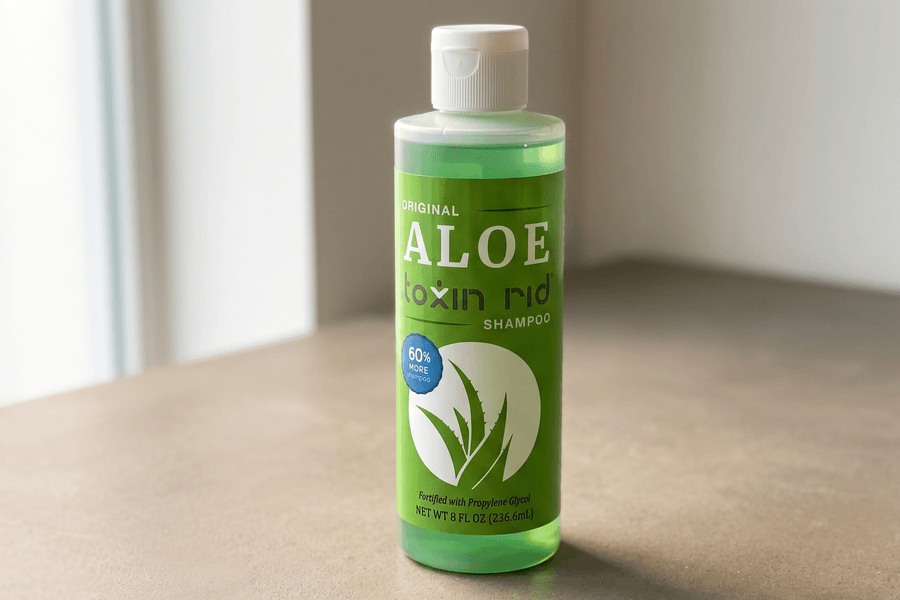
This is where Old Style Aloe Toxin Rid Shampoo enters the picture.
It’s the name that keeps popping up. The supposed gangster solution. But here’s the brutal truth most guides won’t tell you.
Most people fail because they make simple, costly mistakes in the prep work.
They treat it like a regular shower. And then they’re shocked when the lab calls.
This isn’t a magic bullet. It’s a process. A fiddly one.
- Deeply cleanses hair of all toxins
- Highly effective for drug tests
- Effective for heavy users
- Effective for dreadlocks and dark hair
- Used in Macujo and Jerry G methods.
- Deeply cleanses hair of all toxins
- Highly effective for tests
- Effective for heavy users
- Effective for dreadlocks and dark hair
- Used in Macujo and Jerry G methods.
And getting it wrong means your career, your license, or your family hangs in the balance.
So let’s get brutally honest.
We’re not here to sell you a fantasy. We’re here to diagnose the exact points of failure. The overlooked steps that turn a potential pass into a catastrophic fail.
Think of this as your troubleshooting manual. A way to avoid regret.
Because the difference between passing a haid drug test and failing often comes down to a few critical errors.
Let’s dig into the ashes of what went wrong for others. So you don’t have to.
Separating Fact from Fiction: Understanding Old Style Aloe Toxin Rid Shampoo
Let’s cut through the noise.
You’ve been online. You’ve seen the forums. The wild claims. The “miracle” $20 shampoos. The DIY recipes with vinegar and prayer.
It’s a minefield. And it’s designed to make you fail.
So let’s get one thing straight. Old Style Aloe Toxin Rid Shampoo is not a magic bullet. It’s not a generic aloe conditioner from the drugstore.
It’s a specialized tool. A gangster clarifier with a very specific job.
Here’s the fiction: that any hair follicle detox shampoo with “aloe” or “detox” on the label will work. Nope. That’s like using a squirt gun to put out a house fire.
The fact? This stuff is a deep-penetration formula. Built for one purpose.
What it actually is:
A thick, green gel clarifying shampoo. Its power comes from a trio of key agents:
- Propylene Glycol: The penetration enhancer. It opens the hair cuticle wider, letting the cleansers get deep into the cortex. We’re talking 30-35% more penetration than standard formulas.
- EDTA: A chelating agent. Think of it as a magnet that binds to heavy metals and residues, pulling them out.
- Sodium Thiosulfate: A reducing agent that helps dissolve and break down embedded contaminants.
This isn’t for daily use. It’s a fiddly, multi-wash process designed for cumulative cleansing.
The History & The Hype:
The original formula was made by Nexxus. It got discontinued. Cue the scarcity. Prices hit $400 a bottle on the resale market. Counterfeits flooded the web.
Old Style Aloe Toxin Rid is the recreation. Sold by TestClear, it aims to replicate that original, potent formula that became legendary with the Macujo Method.
So when you’re shopping, you’re not just buying a shampoo. You’re buying a specific chemical process. The cheap stuff? It cleans the surface. This is engineered to get under the surface.
Identifying the original formula is critical. Many get confused with the newer Nexus Aloe Rid—that version has more conditioners like avocado oil. It’s for beauty. Old Style is for detox. Different mission.
But here’s the juicy, sobering truth… knowing what it is still isn’t enough.
The next critical error? Failing to understand how it actually works on your hair. That’s where the real science—and the real risk of fucking it up—begins.
The Gradual Cleansing Process: How Old Style Aloe Toxin Rid Works on Hair
So. You know what it is.
But here’s where most people screw up. They think it’s a magic eraser. One wash and poof—clean hair.
Nope.
That’s the one wash myth. And believing it is why people fail.
Let’s get into the juicy science. Simple.
Your hair isn’t a solid stick. Think of it like a rope with three layers.
The cuticle is the outer armor—scales that protect the inside.
The cortex is the core. It’s where drug metabolites get locked in, bound to the keratin and melanin.
The medulla is the innermost channel.
Those metabolites? They don’t just sit on top. They get incorporated into the cortex as your hair grows. Then, the cuticle seals them in like a vault.
Regular shampoo just scrubs the vault door. It does nothing for the treasure inside.
Old Style Aloe Toxin Rid is a lockpick.
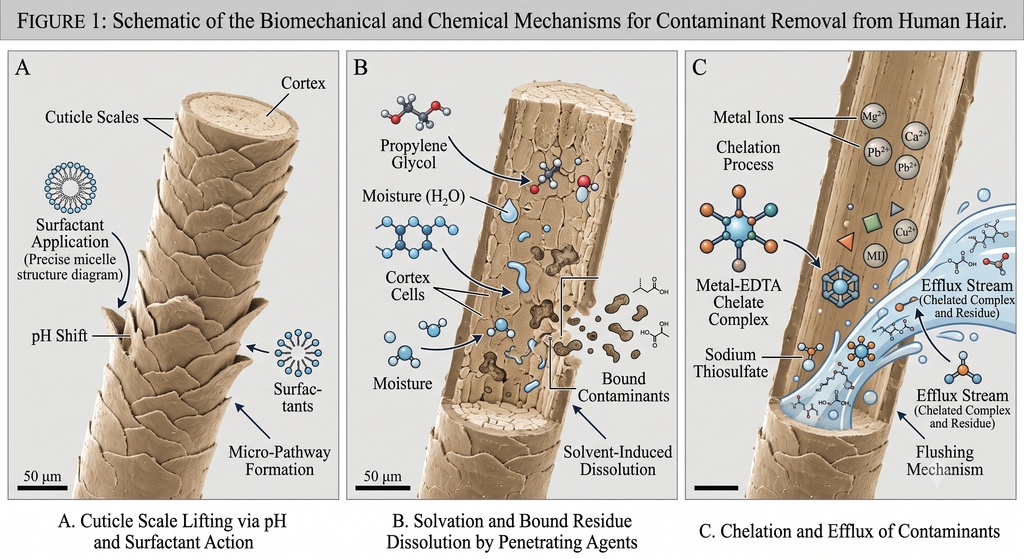
Its formula is engineered to do three things, step by step:
1. Pry open the cuticle.
Warm water helps. But the real work is done by the formula’s pH and specific surfactants like cocamidopropyl betaine. They gently lift those protective scales, creating micro-pathways inside.
2. Penetrate and dissolve.
This is the role of propylene glycol. It’s a humectant and a penetration enhancer. It draws moisture into the hair shaft, swelling it slightly. More importantly, it helps dissolve the gunk trapped in the cortex, breaking the bonds between metabolites and your hair’s structure.
3. Chelate and flush.
Enter EDTA (Ethylene Diamine Tetraacetic Acid). It’s a chelating agent. Think of it as a magnet for metals, minerals, and contaminants. It binds to them, making them water-soluble so they can be rinsed away. Sodium thiosulfate helps neutralize and escort these bound compounds out.
But here’s the critical part: This is a gradual siege, not a single bomb.
One wash starts the process. It opens the cuticle and begins to dissolve surface-level residues.
The second wash goes deeper.
The third, fourth, and fifth washes allow the propylene glycol and other agents to penetrate further into the cortex, cycle after cycle.
The old style aloe toxin rid shampoo ingredients work cumulatively. Each 10-15 minute dwell time is a new wave of attack, chipping away at the embedded metabolites.
This is why it’s a multi-day protocol. You’re not just cleaning hair. You’re conducting a controlled, chemical excavation.
So if you’re a chronic user or dealing with hard drugs, don’t panic. The process is designed for depth. It just requires patience and repetition. Giving up after two washes is like leaving the battlefield just as your siege engines are about to breach the wall.
Understanding this mechanism changes everything. It stops you from making the fatal error of quitting too soon.
And now you know the how… which leads to the next logical question: “How do I actually use this stuff correctly?”
A Step-by-Step Guide to Using Aloe Toxin Rid Shampoo Correctly
So you get the why. Now let’s get into the how.
This is where most people screw up. They buy the bottle, use it like regular shampoo, and wonder why they failed. Don’t be that person.
This is a protocol. Follow it.
The Core Numbers
Forget “once and done.” This is a numbers game.
- Target Wash Count: 10 to 15 total applications. This is your benchmark.
- Dwell Time: 10 to 15 minutes of contact per wash. Set a timer. This isn’t a quick lather-rinse.
- Frequency: 1 to 2 washes per day, with at least 8 hours between sessions to let your scalp recover.
The Step-by-Step Drill
1. The Pre-Game (If You’re Oily or Product-Heavy)
Got thick, greasy hair or a ton of gel/spray? Start with a regular shampoo first. Get that layer of oil and gunk out of the way. You want the Aloe Toxin Rid hitting hair, not fighting through a barrier of last week’s pomade.
2. The Application
- Water Temp: Lukewarm only. Hot water can seal your hair cuticle. That’s the opposite of what you want.
- Sectioning: If your hair is long, thick, or textured, divide it into quadrants. Work in sections. Missing spots is not an option.
- The Massage: Use a palm-sized amount. Work it into a lather and focus on the first 1.5 to 2 inches from your scalp. That’s the zone the lab snips. Massage it in continuously for the full 10-15 minutes. Use a wide-tooth comb to work the lather through the lengths if needed.
3. The Rinse
Rinse thoroughly. Leftover residue can block the next application from working. Think of it like clearing debris before the next wave of the attack.
4. Between-Wash Care
Your hair will feel dry. That’s normal. If it’s unbearable, use a light, silicone-free conditioner—but only on the mid-lengths and ends. Keep it away from your scalp and that critical root zone.
Adjustments for Your Situation
- Short Timeline (3-6 days out): Bump it to 2-3 washes per day. More aggression, but respect the 8-hour scalp break.
- Last-Minute (72 hours or less): Space multiple washes across your remaining hours. Your final wash must be within 24 hours of the test.
- Test Day Protocol: Morning of, do one final Aloe Toxin Rid wash. Then, hit it with a same-day finisher like Zydot Ultra Clean for that last sweep.
- Heavy/Chronic User: Lean towards the 15+ wash end of the spectrum over a full 7-10 days. You’ve got more to excavate.
The Non-Negotiable Rule
You must be abstinent. Using while you’re trying to cleanse is like bailing water into a sinking boat. New metabolites go into new hair growth. You’re wasting your time and money.
Skipping steps, cutting dwell time, or missing days leaves metabolites behind. And leaving metabolites behind is exactly how you fail a test you could have passed. The physical cost of this process is real—your scalp might protest. But a measured, consistent protocol is far safer than the atrocious damage from desperate, acidic DIY methods that leave people with chemical burns.
It’s a grind. It’s fiddly. It takes time and a chunk of your day, every day.
So the big question becomes… is all this effort and cost actually worth it?
- Deeply cleanses hair of all toxins
- Highly effective for drug tests
- Effective for heavy users
- Effective for dreadlocks and dark hair
- Used in Macujo and Jerry G methods.
- Deeply cleanses hair of all toxins
- Highly effective for tests
- Effective for heavy users
- Effective for dreadlocks and dark hair
- Used in Macujo and Jerry G methods.
Execution Audit: Signs Your Hair Cleansing Protocol Is on Track
So you’re putting in the work. But how do you know if it’s actually working?
You don’t want to guess. Not with this. Here’s your real-time quality control check—a simple audit to see if your wash protocol is on track or if you’re about to waste more time.
The Green Lights (You’re Doing It Right)
- A Little Tingle is Normal. Feeling a slight scalp sting or tingle during application, especially after a few washes? That’s the formula working. It’s expected.
- But Not a Fire. If it’s an insupportable, burning sensation? That’s a red flag. Ease off. Shorten the shampoo’s dwell time to 8–10 minutes next round.
- Water Runs Clear. After a full rinse, your hair should feel squeaky clean, free of any slimy residue. The water running down the drain should be clear, not cloudy.
- No Lingering Smells. Your final wash on test day must obliterate any trace of vinegar or chemical scent from prior steps. If you can still smell it, you didn’t rinse enough.
- You’re Massaging the Right Spot. Are you using your finger pads to really work the shampoo into your scalp and the first 1.5–2 inches of hair from the root? That’s the exact zone the lab cuts. Miss it, and you fail.
The 5 Critical Red Flags (Something’s Wrong)
If you see any of these, your wash wasn’t deep enough. You’re leaving metabolites behind.
- Greasy, Coated Hair. Your hair feels oily or coated right after it dries. This means old product or sebum wasn’t fully stripped. The cleanse failed.
- Missed Roots on Thick Hair. You didn’t section thick or long hair properly. You left metabolite-rich zones at the roots untouched. A palm-sized amount and dividing your hair into quadrants is gangster for coverage.
- Persistent Vinegar Stench. A strong, residual vinegar or astringent smell after your final rinse. This signals incomplete rinsing and could raise a lab tech’s eyebrow.
- Using Hot Water. Hot water irritates your scalp for no extra benefit. Stick to warm or lukewarm. It’s just as effective and way less painful.
- Applying Heavy Products. Using oils, silicone serums, or heavy conditioners on your scalp before a wash? You’re creating a barrier that blocks the shampoo from penetrating. If you need moisture, use a light, silicone-free conditioner on your ends only.
The Bottom Line on Technique
This process is fiddly. It demands focus.
For thick hair, section it. For the right zone, massage the roots. For your sanity, watch the clock on dwell time (10–15 minutes per wash).
Getting these physical indicators right is especially critical when you’re following the full Macujo method steps. You need to know the cuticle is opening and the cleanse is deep.
A measured protocol is safer than the atrocious damage from DIY acid baths. But it only works if you execute it perfectly. Use this checklist. Don’t guess.
Evaluating Cost vs. Efficacy: The Real Value of Old Style Aloe Toxin Rid
Let’s talk money.
Because that price tag on Old Style Aloe Toxin Rid? It’s atrocious.
You’re looking at $134 to $170 for a single bottle. And if you pair it with the required Zydot Ultra Clean for the day of your test? That combo jumps to $170 to $235.
That’s a tidy sum. No way around it.
So the big question is obvious: Why pay that when you can grab a bottle of Nexxus Aloe Rid for $20 to $60? Or just raid your kitchen for vinegar and baking soda?
Here’s the brutal truth.
The “Old Style” isn’t just marketing. It’s a specific, discontinued formula. TestClear recreated it because the original Nexxus Aloe Rid was changed. The newer version you see in stores is loaded with conditioning agents—avocado oil, ceramides. It’s gentler.
But gentler isn’t what you need right now.
The Old Style formula prioritizes one thing: detox. It uses advanced microsphere technology for a gradual, deep release of cleansing agents. Think of it like a slow-drip IV for your hair shaft, designed to penetrate the cuticle over repeated washes. The newer stuff is more like a soothing conditioner that sits on top.
And that propylene glycol level? TestClear reportedly maintains or even increases it in their version. That’s a key solvent for breaking down metabolites.
- Deeply cleanses hair of all toxins
- Highly effective for drug tests
- Effective for heavy users
- Effective for dreadlocks and dark hair
- Used in Macujo and Jerry G methods.
- Deeply cleanses hair of all toxins
- Highly effective for tests
- Effective for heavy users
- Effective for dreadlocks and dark hair
- Used in Macujo and Jerry G methods.
Now, let’s look at the cheap alternatives. This is where the false economy gets dangerous. While many products claim to be an effective hair follicle detox shampoo, the “Old Style” formula remains the benchmark for those who cannot afford to fail.
Bleaching can work. Studies show a single session can reduce cocaine by 50-80%, opiates by up to 75%, and THC by 30-60%. Sounds good, right?
But it’s fiddly. Results vary wildly based on your hair type and the drug. And the physical cost? You’re playing with chemical fire. We’re talking severe scalp burns, rashes, and hair that looks and feels like straw. Labs are also trained to spot chemically fried hair.
Vinegar, baking soda, Tide? Let’s obliterate this myth right now. Lab-grade white papers confirm these home remedies do not remove drug metabolites from the hair cortex. They might clean surface contaminants, but the toxins embedded inside the shaft from your bloodstream? Untouched. You’re just wasting time and hoping.
So you save $150 on shampoo.
And you risk losing a $50,000-a-year job. Or your CDL license. Or custody of your kids.
That’s the real math. The cost of the bottle isn’t the investment. The investment is in a proven, chemical process that matches the specificity of the test you’re facing.
You’re not buying shampoo. You’re buying a targeted protocol.
And you need to make sure you’re getting the real thing. Counterfeits are a huge problem. The authentic bottle has an intact seal, a lot number, and a thick green gel that lathers richly. If it’s runny, smells off, or the price seems too good to be true—it’s a fake.
So, you’ve got the protocol down. You understand why the tool matters. But how do you know any of this actually works in the real world?
Analyzing Real-World Results: What Reviews Say About Aloe Toxin Rid
So you want the real story.
Not the marketing fluff. Not the “guaranteed to pass” nonsense. You want to know what actually happens when real people use this stuff.
Fair enough.
I dug through the forums. The Reddit threads. The desperate posts from people who were where you are right now. Here’s the juicy, unfiltered breakdown.
The Success Stories (And What They Have in Common)
Let’s start with the good news. People do pass.
And they’re not shy about sharing how. The pattern is clear.
It’s never just the shampoo. It’s the protocol.
The most credible wins come from folks who used Old Style Aloe Toxin Rid as the heavy lifter in a multi-day assault—like the Macujo method. They paired it with other steps (vinegar, salicylic acid cleansers) and then used Zydot Ultra Clean on test day for the final polish.
The numbers that keep popping up?
10 to 15 washes. With a 10-15 minute dwell time each. That’s the grind.
Light or occasional users with 7-10 days to prep? They report the highest success rates. One guy passed a 5-panel non-DOT test after 15 washes. Another passed with dreadlocks—he sectioned them and made sure the formula got in there.
Even some tougher cases got through. A Black male with 4C afro hair passed. People with dark hair noted no weird color fading. It seems to play nice with most hair types when used correctly.
The Failure Reports (This is the Important Bit)
Now for the part that makes people scream “scam!”
Some folks did everything right. Followed the steps. Spent the cash. And still failed.
This is where you need to pay attention.
Why the different outcomes? It’s not random. There are variables.
- Usage History: Heavy, chronic, daily users report lower success rates. The metabolites are just more entrenched. It’s a bigger job.
- Timeframe: Starting 3 days out versus 10+ days out is a massive difference. Earlier correlates with better pass rates. Simple as that.
- Hair & Body: Longer, thicker hair needs more product and more washes. And if the tester takes hair from your armpit or leg? That hair is older and can be harder to cleanse. Some people followed the head-hair protocol perfectly… and got burned by a body hair sample.
- The Product Itself: This is a big one. Counterfeits are everywhere. If you buy a fake bottle from a sketchy seller, you’re literally washing your hair with overpriced gel. No protocol can save you.
The cost stings—$130 to $235 a bottle. No one’s pretending that’s cheap. And the process is fiddly. Multiple washes a day for over a week? That’s a commitment. Some users reported dryness or mild irritation, especially when combined with harsh add-ons like vinegar.
So, Does It Really Work?
The honest answer: It can.
It’s not a magic bullet. It’s a powerful tool that requires a very specific, rigorous application. The reviews show a clear pattern: when people start early, follow a proven multi-step method, use the authentic product, and account for their unique hair type and usage history… they pass.
But if you cut corners, start too late, or get a counterfeit? The results are atrocious.
The evidence is there. The wins are real. But so are the failures—and they almost always trace back to one of those critical mistakes.
Which brings us to the most critical variable of all. You can have the perfect plan. But if you buy a fake bottle or get it the day before your test… you’re sunk.
So where do you get the real stuff, and when do you need to pull the trigger?
Planning Ahead: Where and When to Buy Authentic Aloe Toxin Rid Shampoo
The Panic Buy Trap
So you got the notice.
The test is in 3 days. Maybe 5.
Your first instinct? Jump on Amazon. Or eBay. Search “aloe toxin rid shampoo near me.”
Don’t.
That’s the single biggest mistake you can make.
It’s how people end up with a $200 bottle of useless gel… or a complete fake that arrives the day after their test.
The Clock Is Your Enemy
Here’s the deal.
The official instructions are clear: start using the shampoo 3 to 10 days before your test.
That means you need it in your hands, ready to go, before you even get the call.
Waiting guarantees you’ll pay more. Prices spike when demand is high. And you’ll be desperate.
Desperate people make easy targets for counterfeiters.
The Only Source You Can Trust
Let’s cut through the noise.
For the authentic, Old Style Aloe Toxin Rid Shampoo… there’s one reliable, time-sensitive vendor.
TestClear.
They’re the primary source. The real deal.
You can find the shampoo elsewhere—Amazon, Walmart, TikTok Shop—but the risk of getting a diluted or outright fake bottle is atrocious. Not worth it when your job or your freedom is on the line.
- Deeply cleanses hair of all toxins
- Highly effective for drug tests
- Effective for heavy users
- Effective for dreadlocks and dark hair
- Used in Macujo and Jerry G methods.
- Deeply cleanses hair of all toxins
- Highly effective for tests
- Effective for heavy users
- Effective for dreadlocks and dark hair
- Used in Macujo and Jerry G methods.
Spotting a Fake in 30 Seconds
If you’re stuck looking at a bottle, here’s your checklist.
Signs it’s REAL:
- Intact factory seal on the cap.
- Thick, green gel texture. Not runny.
- Clean, consistent scent. No chemical smell.
- High-quality label. Sharp printing. No blur.
- Lot number & batch details printed clearly.
Signs it’s FAKE:
- Broken or missing seal.
- Watery, thin consistency.
- Off or strong chemical odor.
- Smudged, cheap label.
- No batch info.
When in doubt, compare it side-by-side with the product images on TestClear’s official site.
Your Game Plan
Simples.
Step 1: The moment you think a hair test might be in your future (new job, legal situation), order the bottle.
Step 2: Get the bundle with Zydot Ultra Clean. It’s the day-of treatment you’ll need. The combo runs about $170-$235.
Step 3: Keep it sealed, in a cool, dark place. Your secret weapon, ready to deploy.
This isn’t a last-minute purchase.
It’s a strategic move. A core part of your protocol.
You wouldn’t wait until the night before the championship to buy your gear.
This is the same thing. Plan. Buy early. Eliminate the risk.
Troubleshooting for Unique Hair Types and Body Hair Challenges
So you’re bald. Or maybe you’ve got a head full of thick, coarse hair or dreadlocks.
Your brain’s probably going straight to the worst-case scenario.
Let’s tackle this head-on.
The Bald-Headed Dilemma: Body Hair
If you don’t have enough head hair, they’ll take it from somewhere else. Arms, legs, chest, underarms, face.
Here’s the gangster truth about that.
Body hair grows way slower. So it holds a record of drug use for much longer—up to a year. That’s a bigger window you need to clean.
But can you use the Aloe Toxin Rid on your body?
The short answer is yes, but with major caveats. Your skin on your body is more sensitive than your scalp. The product is designed for the scalp, so doing the full, aggressive Macujo method on your armpits or legs is a bad idea. You’ll burn yourself raw.
The smarter play?
Use it like a regular shampoo on the target area in the days leading up to the test. Focus on gentle, repeated cleansing rather than acidic assaults. And absolutely pair it with the Zydot Ultra Clean on the day of the test for that final, surface-level cleanse.
It’s not a perfect science. But it’s your best shot.
Thick, Coarse, or Dreadlocked Hair
This is where people get tripped up. They think the shampoo just sits on top.
It doesn’t. But you have to help it.
If your hair is thick, curly, or highly textured, you need to section it. We’re talking 4 to 8 parts. Apply a generous amount to each section and really work it in. Use a wide-tooth comb to distribute the cleanser from root to tip.
The dwell time is your friend.
Let it sit for a full 15 minutes. This gives the formula time to penetrate the hair shaft. For dense hair, this isn’t optional—it’s mandatory.
And for dreadlocks? Same principle. Section each lock. Apply the shampoo. Massage it in thoroughly. The goal is to get the cleanser to every single strand inside that matted structure.
It’s fiddly. It takes time. But skipping this is why some people with thick hair fail.
The Melanin Factor
There’s one more invisible hurdle.
Darker hair with more eumelanin naturally binds to certain drug metabolites tighter. Studies show cocaine concentrations can be way higher in black hair than in blonde.
This doesn’t mean you’re doomed. It means the protocol is even more critical. The repeated washes are designed to break down that binding.
You’re not fighting the shampoo. You’re fighting your own hair’s biology. And the only way to win is with consistency.
But here’s the final kicker…
Even with perfect technique for your specific hair type, there’s one last, sneaky way people fail. An invisible threat that can undo all your hard work.
It’s called cross-contamination. And it’s the focus of our next critical step.
Avoiding Cross-Contamination: Overlooked Details That Affect Test Results
You did every wash. You followed the timing. You spent the cash.
And you still failed.
Because the drugs weren’t just in your hair. They were on your pillow. In your favorite hat. Lingering in the air from a roommate’s smoke session last week.
This is the invisible threat. Cross-contamination. And it can obliterate a perfect protocol.
The Usual Suspects
Think about what your hair touches every day.
- Old hats, beanies, headbands. They’re like sponges for smoke and residue.
- Pillowcases and sheets. You spend 8 hours a night pressing your hair into them.
- Jacket hoods and collars. Especially if you’ve been in a smoky car or room.
- Second-hand smoke. Just 15 minutes in an unventilated room with cannabis smoke can deposit detectable THC. Meth and cocaine smoke cling even harder.
- Other people’s sweat or sebum from close contact can transfer drugs.
Your hair is clean. But the moment it touches a contaminated surface, it’s game over.
Your Decontamination Checklist
Start this the day you begin your wash protocol. Not the day before the test.
- Isolate Your Hair. After each wash, use a fresh, clean towel. Then put on a new, clean shower cap or silk scarf. This becomes your only headwear at home.
- Wash Everything Else.
- Pillowcases: Wash in hot water with detergent. Do this every 2-3 days during your protocol.
- Hats & Headwear: If you can’t wash them (like a structured cap), bag them. Seal them. Do not touch them.
- Jackets with hoods: Wash or quarantine.
- Towels: Use a fresh one for your hair every single time. No sharing.
- Control Your Air. No smoking in your house. No being in rooms where people are smoking. This is non-negotiable for the final 72 hours.
- The Final 24 Hours. Sleep on a freshly washed pillowcase. Wear a clean shirt to bed. In the morning, do your final wash, use a new clean towel, and go straight to your test. Don’t lounge on the couch. Don’t pet the dog.
“But Won’t the Labs See the Damage?”
This is the fear. That your hair will look fried. That they’ll know.
Here’s the thing.
The goal of Old Style Aloe Toxin Rid is cleansing, not obvious destruction. The Macujo method with all its acids? That’s what fries your hair and raises red flags.
A proper Aloe Rid protocol is designed to be gradual and internal. It works from the inside out. Yes, it’s a deep clean. But it doesn’t leave your hair looking like straw after one wash.
The labs are looking for blatant chemical damage—massive breakage, obvious bleaching, or strange metabolite ratios that scream tampering. Following the correct, measured process minimizes that visual risk.
You’re not trying to hide a crime scene. You’re just deep-cleaning the evidence from a party you already left.
Simples.
Do the washes. But also clean the world around your hair. One dirty pillow can cost you a job.
Don’t let an overlooked detail be the reason you fail.
Common Questions and Myths About Aloe Rid Shampoo and Drug Tests
Let’s smash the biggest myths head-on.
No fluff. Just straight answers.
Q: Does Aloe Rid work for a hair drug test?
A: Yes. But it’s a process, not a magic potion. It’s designed to work with your body’s natural hair growth cycle. It won’t vaporize metabolites from last weekend. Used correctly over multiple washes, it’s the most reliable tool for deep cleansing the hair shaft.
Q: I only smoked once, two months ago. Am I screwed?
A: Probably not. The data shows single-use has about a 15% detection probability. Hair tests are built to catch regular use. One joint two months back? The odds are heavily in your favor, even without any special washes.
Q: Can’t I just bleach my hair?
A: Bleaching damages the cuticle and can lower metabolite levels. But labs see that blatant chemical damage from a mile away. It’s a giant red flag. And it rarely gets everything out, especially from the cortex. It’s a risky, obvious move.
Q: Will my prescription meds or CBD oil make me fail?
A: Some can. Ibuprofen, certain diet pills, and vitamin B supplements from hemp seed oil are known culprits for false positives. Here’s the key: the lab’s Medical Review Officer (MRO) must investigate. You’ll get a call to discuss your prescriptions. Always disclose them.
Q: I heard labs can detect Aloe Rid itself. Is that true?
A: This is a fuzzy one. Some sources claim labs can spot “detox shampoos.” But the reality? Standard drug panels test for drug metabolites, not shampoo ingredients. Following the protocol correctly minimizes any signs of tampering like severe damage.
Q: Why do I need Zydot Ultra Clean if I’m using Aloe Rid?
A: Think of it like this. Aloe Rid is the heavy artillery for the deep, internal cleanse over days or weeks. Zydot Ultra Clean shampoo is your day-of surface sweep. It’s designed to clear any residual surface contamination right before the test. Using Aloe Rid alone is running a marathon but skipping the final water station. You need both for a complete run.
Q: Is using this stuff illegal?
A: In most places, no. There’s no federal law banning detox shampoos like there is for synthetic urine in some states. But—and this is a big but—falsifying a drug test is illegal in many jurisdictions. It can be a misdemeanor. Ethically, you’re deceiving an employer or court. Weigh that risk.
Q: My test is in 3 days. Is it too late for Aloe Rid?
A: For a deep, guaranteed cleanse? Yes. It needs more time. But here’s your move: slam the Aloe Rid washes as hard as you can and absolutely use Zydot Ultra Clean in the final 24 hours. It’s not ideal, but it’s your only shot. For next time, you know to plan ahead.
Q: I’m Black. Will this even work on my hair?
A: This is a critical point. Drugs bind to melanin. Studies show concentrations can be up to 15 times higher in darker hair for the same exposure. That means you have a steeper hill to climb. The process works, but you must be meticulous. Don’t skip washes. Consider an extra one if your timeline allows.
Q: I’m bald. Can I use this on my body hair?
A: You can try. But body hair grows slower and has a different cycle. It can reflect a longer detection window, sometimes up to a year. The shampoo can help, but it’s a tougher battle. If you’re bald, assume the worst-case timeline and start your protocol immediately.
The bottom line?
Stop looking for a myth. There’s no secret hack that makes the science disappear.
There’s only the process.
Follow it. Respect the timeline. And clean your damn pillowcase.
Integrating the Process: A Balanced Guide to Passing Your Hair Test
So you’ve got the map.
Now let’s connect the dots.
The biggest mistakes are simple.
Thinking shaving works.
Believing in a magic household wash.
Starting too late.
Buying a fake bottle.
Each one is a guaranteed fail.
Here’s the real talk.
Old Style Aloe Toxin Rid is the most reliable tool we have.
But it’s not a genie in a bottle.
It’s a scalpel.
And you need to be the surgeon.
Its power is unlocked only inside a rigorous, mistake-free process.
That process has non-negotiables.
1. Start Early. This is a marathon, not a sprint. You need days, not hours.
2. Follow the Protocol. The washes, the dwell times, the sequence. It’s fiddly. Do it anyway.
3. Control Contamination. Your clean hair is a magnet for old toxins. New pillowcase. Clean hat. No oils.
4. Buy the Real Deal. A counterfeit bottle is just expensive disappointment.
This isn’t hype.
It’s a battle plan.
You’re not just washing your hair.
You’re taking control of a system designed to trip you up.
You’re outsmarting a test that feels invasive and unfair.
You’ve got the knowledge.
You know the pitfalls.
You understand the timeline.
The next move is yours.
Take a breath.
Make your plan.
Execute with precision.
Your job, your license, your family—your future—is worth the grind.
You’ve got this.
- Deeply cleanses hair of all toxins
- Highly effective for drug tests
- Effective for heavy users
- Effective for dreadlocks and dark hair
- Used in Macujo and Jerry G methods.
- Deeply cleanses hair of all toxins
- Highly effective for tests
- Effective for heavy users
- Effective for dreadlocks and dark hair
- Used in Macujo and Jerry G methods.