
High Voltage Detox Shampoo: Does It Really Work?
You’re staring at a hair follicle drug test notice.
And your stomach drops.
Because you know this isn’t some quick pee test you can flush away. This one looks back 90 days. Maybe more. It feels like a brick wall between you and that job… that CDL… or keeping your family together.
So you panic-search. And you see it: High Voltage Detox Shampoo.
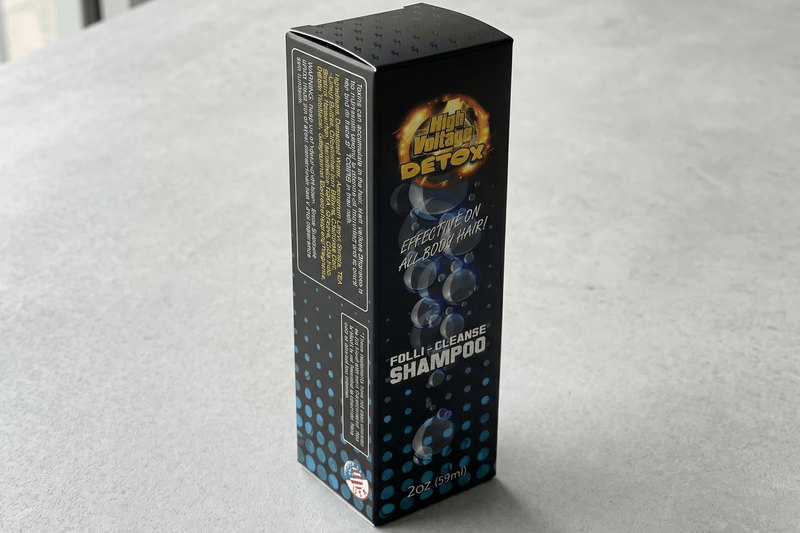
It promises a clean slate. Sounds like the easy fix, right?
But here’s the raw truth. Learning how to pass a hair follicle drug test is a unique technical challenge. It’s not about masking for a few hours. The drugs are literally locked inside your hair shaft, grown in from your bloodstream over months.
A standard shampoo can’t reach that. Thinking it can is the first, and biggest, mistake.
This guide is about avoiding the critical errors that lead to failure. We’ll break down why just buying a popular product isn’t enough—and what actually moves the needle.
The biggest error? Trusting marketing without proof.
Let’s get into it.
- Deeply cleanses hair of all toxins
- Highly effective for drug tests
- Effective for heavy users
- Effective for dreadlocks and dark hair
- Used in Macujo and Jerry G methods.
- Deeply cleanses hair of all toxins
- Highly effective for tests
- Effective for heavy users
- Effective for dreadlocks and dark hair
- Used in Macujo and Jerry G methods.
Mistake #1: Trusting High Voltage Detox Shampoo’s Marketing Without Scrutiny
You’re desperate. I get it.
So you see a product like High Voltage Detox Shampoo and you want to believe. The marketing is slick. It promises a clean slate in hours. Who wouldn’t jump at that?
But here’s the thing. That’s Mistake #1.
Let’s break down what you’re actually buying.
High Voltage Detox Folli-Cleanse Shampoo is a topical wash. It’s sold in a tiny 2oz bottle for a single use. The pitch? It’s a “deep-cleansing formula” that penetrates the hair shaft.
The manufacturer claims and promises are pretty bold:
- It removes metabolites from drugs like weed, coke, meth, and opioids.
- The effects last up to 36 hours. A temporary clean window.
- You just use it the night before or morning of your test. Simples.
The application sounds straightforward.
First, wash with 25% of the bottle to get rid of surface gunk.
Then, massage the other 75% into your damp hair for 20-30 minutes under a shower cap.
They say it works with surfactants like ammonium lauryl sulfate to lift metabolites. And other stuff like sodium thiosulfate to neutralize residues.
On paper, it looks like a plan.
And when you’re staring down a test that could obliterate your job or see your kids less… a simple plan is everything. The stress is through the roof. You don’t have time for a 10-day regimen. You need a fix, now.
So you buy it. You trust the label.
But what happens when these promises meet reality? The next section looks at the evidence.
Mistake #2: Overlooking the Real-World Limitations of High Voltage Detox Shampoo
But the real-world data tells a different story.
Let’s look at what happens after the purchase. When you dig into high voltage detox shampoo reviews and forum threads, you see a pattern. It’s not the slam-dunk success the marketing suggests.
For every person who claims it worked, there’s another who followed the instructions to the letter… and still failed.
The core problem is simple biology. Your hair isn’t a sponge you can just rinse out.
When drugs are in your system, their metabolites get locked inside the hair’s inner core—the cortex—as it grows. They bind to the melanin and keratin in there. It’s like they’re cemented into the foundation of a building.
A standard shampoo, even a strong one, mostly scrubs the outer surface. The cuticle.
High Voltage Detox Folli-Cleanse shampoo reviews often miss this crucial point. The product claims its surfactants and penetration enhancers like propylene glycol can pry open that cuticle and get to the cortex. And in a lab dish (in vitro), some shampoos can reduce certain markers by a decent percentage.
But your head isn’t a lab dish.
The real-world results are all over the map. One study showed reductions for THC ranging from a pathetic 14% to a hopeful 88%. That’s a massive swing. It means for a lot of people, it just doesn’t get the job done.
And who gets the worst results?
The heavy users. The daily smokers. The folks with thick, dense, or styled hair—dreadlocks, braids, heavy afros. The product simply can’t penetrate evenly to the scalp where the newest, most contaminated hair is.
So you get reviews like this: “Did every step. Followed the timeline. Still failed.” Or, “Worked for my friend who smokes once a month. Did nothing for me.”
The effectiveness for heavy users is the biggest red flag. The science says binding is stronger for some drugs than others. The user reports confirm it. If you’ve got a history, this detox shampoo for hair drug test is playing roulette with your future.
And that’s the real cost. This isn’t like buying a bad bottle of shampoo that leaves your hair flat. Failure here means:
- The job offer vanishes.
- The probation officer gets a call.
- The court date takes a turn.
You’re not just out the cash for the bottle. You’re facing the exact catastrophe you were trying to avoid. The stakes are too high for a maybe.
This points to a flaw in the product itself. And that flaw comes with risks beyond just a failed test. Risks to your scalp, your wallet, and your peace of mind.
Mistake #3: Ignoring the Risks—Side Effects and Hidden Costs
But here’s the part nobody talks about.
The side effects.
You’re already stressed about the test.
The last thing you need is to torch your scalp in the process.
And that’s exactly what can happen.
The physical damage is real.
We’re not talking about a little dryness.
We’re talking about users reporting:
- Severe scalp burns.
- Painful rashes and scabs.
- Hair that snaps and breaks off.
Why?
The formula is atrocious for your hair’s health.
It’s loaded with heavy surfactants.
These are the detergents that strip everything out.
Your hair’s natural oils.
The protective barrier of your scalp.
They leave your hair brittle.
And they leave your scalp exposed.
Nerve endings get raw.
Inflammation sets in.
Some formulas even use preservatives that can trigger allergic reactions.
Redness. Swelling. Blisters.
You’re trying to solve one problem.
And you’re walking straight into another.
Then there’s the hidden cost.
The bottle itself is about 35 bucks.
For a single-use gamble.
If you have thick or long hair?
You might need two bottles.
Now you’re at $70.
And that’s just the start.
If you get a chemical burn or a severe reaction?
A doctor’s visit isn’t free.
That’s a tidy sum of money you didn’t plan for.
The emotional toll is the final blow.
Imagine this:
You endure the burning.
You tolerate the itching.
You watch your hair get fried.
You go through all that pain…
And you still fail the test.
That’s the reality for a shitload of people.
They did the hard yards.
They took the physical hit.
And they still got the bad news.
It’s a double gut-punch.
The pain of the process.
The agony of the outcome.
So you have to ask yourself…
Is this fiddly, painful, and expensive method even worth the risk?
And more importantly…
Do all detox shampoos work this way?
Or are there smarter, safer paths to take?
Mistake #4: Assuming All Detox Shampoos Are the Same
But here’s the thing.
Not all detox shampoos are built the same.
And assuming they are… is a massive mistake.
It’s like thinking a bicycle and a motorcycle are the same because they both have two wheels.
One might get you down the street.
The other will obliterate the distance.
Let’s break down why they’re different.
Formulation matters.
Some shampoos are basically just strong detergents.
They clean the surface.
They might even strip your hair until it feels like straw.
But drug metabolites?
They’re not just sitting on top.
They’re embedded deep in the hair cortex.
You need something designed to get in there.
Mechanism of action matters.
High Voltage Detox Shampoo uses strong surfactants.
It’s a brute-force cleaner.
It can leave your hair dry and your scalp irritated.
Other formulas use a smarter approach.
They use penetrating agents—like propylene glycol.
This stuff is a solvent.
It helps break down the cuticle layer so the cleansing agents can actually reach the toxins inside the shaft.
And track record?
That’s the biggest differentiator of all.
High Voltage is often pitched as a single-use, quick fix.
A one-and-done wash.
Old Style Aloe Toxin Rid?
It’s the veteran.
The one that’s been part of multi-step protocols like the Macujo method for years.
It’s not just a shampoo.
It’s a deep-cleansing system designed for repeated use over days.
To give those penetrating agents time to work.
So no.
They are not the same.
And recognizing that difference is your first step away from a gamble.
But choosing the right one?
That requires a closer look at the proven leader.
The one with the specific surfactant blend and penetration enhancers designed for this exact fight.
That’s Old Style Aloe Toxin Rid.
Best Practice: Choose a Detox Shampoo with Proven Results—Why Old Style Aloe Toxin Rid Leads the Pack
So you see the difference.
One’s a quick wash.
The other’s a deep-cleaning system.
But knowing they’re not the same isn’t enough.
You need to know why the veteran is the leader.
Why it’s the proven choice when the stakes are this high.
It starts with the formula.
Old Style Aloe Toxin Rid isn’t just a surfactant bomb.
It’s a clarifying shampoo built to penetrate.
Think of it like this: High Voltage scrubs the surface.
This stuff goes to work inside the hair shaft.
Here’s the gangster part of its design.
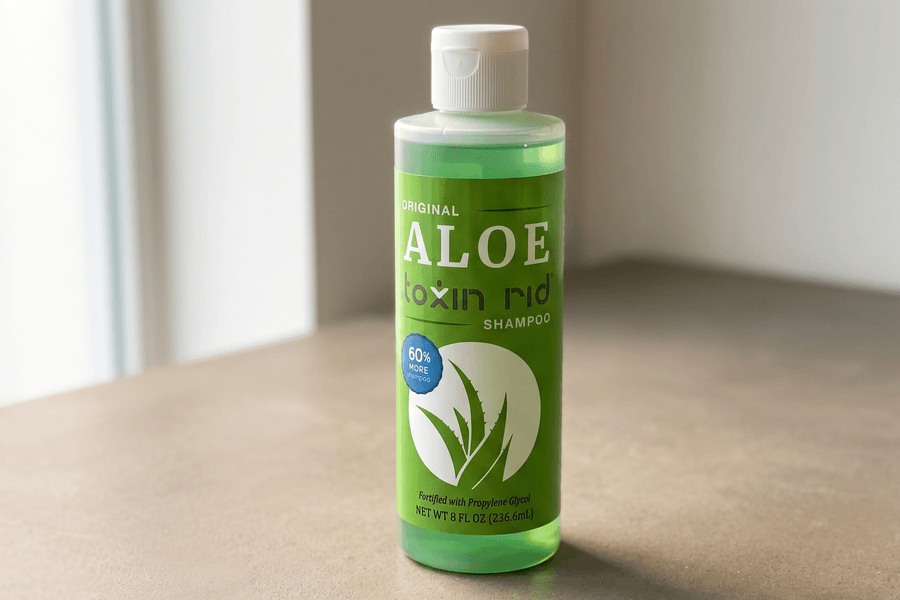
It uses propylene glycol.
Not just as a moisturizer.
As a penetration enhancer.
Studies show it boosts how deep the cleansers go by 30-35%.
That’s not marketing fluff.
That’s chemistry working to get under the cuticle where the metabolites hide.
Then there’s EDTA.
This is a chelating agent.
Its job is to bind to metals and contaminants.
It latches on and helps escort them out during the rinse.
It’s a key player in stripping what labs call “embedded metabolites.”
And it doesn’t stop there.
The formula includes sodium thiosulfate.
A reducing agent that neutralizes reactive stuff.
All while aloe vera soothes your scalp and helps loosen debris around the follicles.
This is a synergistic blend.
Each ingredient has a job.
They work together over time.
That’s the other critical difference: time.
High Voltage is a one-and-done, 36-hour gamble.
Old Style Aloe Toxin Rid is designed for cumulative, multi-day use.
You’re supposed to use it daily.
Let it sit for 10-15 minutes each wash.
That dwell time isn’t a suggestion.
It’s the mechanism.
It gives those penetrating agents and chelators the time they need to work deeper with every single wash.
This isn’t some new kid on the block.
It’s the recreation of the legendary Nexxus Aloe Rid formula.
The one people hunted for after it was discontinued.
TestClear brought it back.
They’ve been in the detox game for over 30 years.
That history? It builds a user consensus.
A track record you can actually read about.
The reports are consistent.
Users with dreadlocks.
Users with thick, ethnic hair.
Heavy, chronic users.
They report higher success when they follow a strict, multi-day protocol.
It’s perceived as gentler on the scalp than the harsh degreasers in High Voltage.
It gives a longer confidence window because it’s not just masking for a day.
It’s the logical, evidence-based alternative.
You’ve seen the risks of a quick gamble.
The smart move is the tool built for the actual job: deep, cumulative cleansing.
- Deeply cleanses hair of all toxins
- Highly effective for drug tests
- Effective for heavy users
- Effective for dreadlocks and dark hair
- Used in Macujo and Jerry G methods.
- Deeply cleanses hair of all toxins
- Highly effective for tests
- Effective for heavy users
- Effective for dreadlocks and dark hair
- Used in Macujo and Jerry G methods.
Choosing Old Style Aloe Toxin Rid is the first half of the battle.
The smart, evidence-based half.
But picking the right weapon is only 50% of the fight.
The other 50%?
Knowing exactly how to use it.
The step-by-step process that maximizes its power and keeps your scalp intact.
That’s next.
Best Practice: Follow a Step-by-Step Process for Maximum Safety and Success
So you’ve got the right tool. Old Style Aloe Toxin Rid. The one built for the job.
But here’s the thing.
Even the gangster tool in the world is useless if you swing it wrong.
You can’t just wash your hair once and pray. This is a process. A precise, repeatable process. Miss a step, or do it out of order, and you’re back to square one. Nervous. Sweating. Waiting for that fail letter.
Let’s fix that. Here’s the exact playbook. Follow it, and you give yourself the best possible shot.
Phase 1: The Prep (Days Before You Even Open the Bottle)
This starts before you buy the shampoo.
Step 1: Stop. Right Now.
The absolute first step is complete drug cessation. You need to stop all substance use at least 7-10 days before you start the wash process. Why? The shampoo cleans the hair that’s already grown. It can’t do a thing about new metabolites being deposited from ongoing use. You have to turn off the tap.
Step 2: Get Your Timeline Straight
You need a preparation window. Ideally, start your wash regimen 3 to 10 days before your test. The more time you have, the more washes you can do, and the better your chances. Got only 4 days? It’s tougher, but you follow this same plan with more intensity.
Step 3: Clear the Deck
Before your first detox wash, use a regular clarifying shampoo. Just a normal one from the drugstore. This strips away surface oils and product gunk so the detox shampoo can get straight to work on your hair shaft, not fighting through buildup.
Phase 2: The Wash Process (The Grind)
This is where the work happens. Consistency is everything.
The Wash Cycle:
- Frequency: Perform 1 to 3 full wash cycles per day. If you have thick hair or were a heavy user, aim for the higher end. Space them out (e.g., morning and night).
- Application: Wet hair with warm water—not hot. This opens the hair cuticle. Apply a generous amount of shampoo. Focus on the scalp and the first 1.5 to 2 inches from the roots. That’s where the metabolites live.
- Massage: Use your fingertips in small circles for 1-3 minutes. No nails. You’re working the product in, not scratching your scalp raw.
- Dwell Time: Let the lather sit on your head for 10-15 minutes. This is crucial. The active ingredients, like propylene glycol, need time to penetrate the hair shaft.
- Rinse: Rinse thoroughly with lukewarm water until every bit of lather is gone.
The Magic Number:
Aim for a total of 10 to 15 washes across your entire prep window. That’s the target for optimal cleansing. More than that, and you hit diminishing returns while risking serious scalp damage.
A Note on the Macujo Method:
You’ll see people talking about a brutal, multi-step process involving vinegar, baking soda, and laundry detergent. That’s the Macujo Method. It’s aggressive. It can work, but it’s also a one-way ticket to a raw, painful scalp. If you go that route, know the risks: redness, burning, scabs. If your scalp starts to revolt, stop. Space your washes at least 8-12 hours apart. This isn’t about torture; it’s about a clean result.
Phase 3: The Day-Of Protocol (The Final Polish)
The morning of your test is not the time to relax. This is your final offensive.
Step 1: The Final Wash
Do one last Old Style Aloe Toxin Rid wash. Follow the same process: warm water, generous lather, 10-15 minute dwell time, thorough rinse.
Step 2: The Clarifying Blow
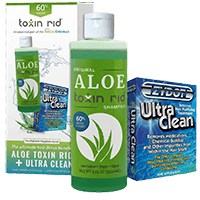
This is where you bring in backup. After your final Aloe Toxin Rid wash, use a Zydot Ultra Clean kit. It’s a three-step treatment (shampoo, purifier, conditioner) designed for a deep, day-of cleanse. Think of it as the final polish that removes any last surface residues and helps mask the chemical footprint of your prep. Use it within 1 hour of your test collection for maximum effect.
The Non-Negotiables: Don’t Undo Your Work
All this effort is worthless if you re-contaminate your hair.
- After your final wash, use a clean towel. A clean comb. A clean pillowcase.
- Do not wear hats, headbands, or beanies that haven’t been freshly washed.
- Avoid smoky environments, sweaty workouts, or anything that could put toxins back on your clean hair.
- Do not apply any oils, pomades, or leave-in conditioners after your final wash. They can trap contaminants or interfere with the sample.
One last, hard truth: If you shaved your head thinking you’d outsmart the test, you’ve made a critical error. They’ll just take hair from your body—your arm, leg, chest, or armpit. And body hair grows slower, meaning it can show drug use from way further back. Up to a year. Don’t shave. Follow the process for the hair you have.
This process is your shield. It’s methodical. It’s proven. It protects you from the most common point of failure: user error.
But following these steps also does something else. It protects you from a specific kind of failure that even a perfect wash can’t always prevent. It’s about what the lab technician is trained to look for under that microscope… and how your hair’s chemistry can still betray you.
That’s the final piece of the puzzle. Let’s look at it next.
Post-Wash Protocol: The ‘Definition of Done’ Checklist
You’ve done the hard work. The fiddly washes. The burning scalp. The whole nine yards.
But here’s the thing…
All of that can be obliterated in the final 24 hours if you skip this.
This is your pre-flight checklist. Your final quality control.
It’s the difference between a clean result and a catastrophic, avoidable fail.
Run through this before you walk into that testing facility.
1. Old Gear is Contaminated Gear
Your old hairbrush, comb, towel, pillowcase… they’re loaded with the toxins you just stripped out.
Using them after your wash is like showering and then putting on dirty underwear.
Simples.
Toss them or isolate them. Use a brand new brush and towel. Sleep on a fresh pillowcase. This step alone prevents a tidal wave of recontamination.
2. Did the Shampoo Actually Marinate?
You can’t just slap it on and rinse.
You need to confirm it sat on your scalp for the exact time the instructions say. Set a timer. Don’t guess.
If it needed 15 minutes and you gave it 5… you wasted your time and money. That’s an atrocious outcome you can avoid with a simple phone alarm.
3. The Clarifying Wash is NOT Optional
Think of your hair like a sponge. Before you can deep-clean it, you have to rinse out the surface gunk.
A clarifying shampoo (like Zydot) does that first pass. It strips away product buildup and opens the hair cuticle so the main detox formula can actually get in and do its job.
Skipping this is like trying to wash dishes with cold water. It just smears the mess around.
4. Is Your Scalp a War Zone?
Take a mirror. Look.
Open sores, severe rashes, scabs, or active dermatitis? That’s a major red flag.
A lab collector is trained to visually assess your scalp before they cut a sample. A wrecked scalp screams “I’ve been using harsh chemicals to tamper with my hair.”
If it’s bad, you need to heal it first. A damaged scalp can also prevent proper collection, forcing them to take hair from somewhere else you might not have prepped.
5. Go Cold. Stay Cool.
Your body is still purging toxins through sweat.
After your final wash, you must stay cool. No workouts. No saunas. No hot showers. No standing in a hot car.
Sweat will pull toxins from your body and re-deposit them right into your freshly cleaned hair. Air-conditioned environments are your best friend here.
6. Hands Off & Hat Off
Keep your hands out of your hair.
And ditch the hats, hoodies, or headbands you wore before your detox. They’re contaminated.
Touching your hair or wearing old gear transfers residues right back to square one. It’s a silent, sneaky way to fail.
7. The 36-Hour Window
The clock is ticking.
The protective effect of a thorough detox wash lasts up to 36 hours—but only if you follow this checklist.
After that window, or if you break protocol and sweat, that shield starts to crumble. Schedule your test within this golden window for maximum safety.
This checklist is your tidy guarantee.
It closes every loophole. It turns your hard work into a locked-in result.
But there’s one final, juicy piece of intel that separates the passes from the fails…
It’s about what the lab actually detects under that microscope, and how the smartest players use that knowledge to build an even stronger defense. That’s our last move.
Advanced Insight: What Labs Really Look For—and How to Avoid Detection Risks
Let’s talk about the juicy stuff.
The stuff labs actually look for.
The stuff that gets people caught.
Because here’s the thing…
You can do everything right.
Strip the metabolites.
Pass the test.
But if your hair screams “I was attacked with chemicals”…
A good tech will notice.
And that notice? It can unravel everything.
So what are they trained to spot?
Three big red flags.
First: Obvious Chemical Damage.
That fried, brittle, straw-like hair?
The scalp that’s red, flaking, or has scabs?
That’s a neon sign.
Labs know what the Macujo method steps do to a head.
They see the breakage.
The split ends.
The hair that snaps when they touch it.
It’s not normal.
And “not normal” gets a second look.
Second: Biomarker Tells.
This is the gangster science part.
When you bleach or use harsh oxidizers…
You leave chemical fingerprints.
Things like PTCA.
It’s a compound from broken-down melanin.
Baseline is low.
But after bleaching? It spikes.
Labs have cutoffs.
A high PTCA level is a tidy indicator of treatment.
There’s also cysteic acid.
More of it means your hair’s protein structure got slammed.
They can see that with fancy spectroscopy.
It’s another tell.
Third: Inconsistent Ratios.
This is the subtle one.
They analyze parent drugs and their metabolites.
The ratios should look a certain way.
If your hair was unevenly treated…
Or if a harsh wash stripped some parts more than others…
Those ratios can look atrocious.
Weird.
Flagged for review.
The brutal truth?
Aggressive methods don’t just risk your hair.
They risk detection.
You might remove the drugs…
But you leave a trail of chemical destruction behind you.
The smarter play?
A methodical, less destructive approach.
A proven shampoo that works with your hair’s biology.
Not against it.
It minimizes the damage.
Reduces the biomarker tells.
Leaves your hair looking… normal.
Not like it went through a warzone.
That’s how you fly under the radar.
That’s how you avoid the red flags.
But here’s the final twist…
Even the best method in the world is useless if you buy a fake.
And the market is flooded with them.
That’s our last move.
How to make sure you get the real deal.
Not some bloated bottle of hope.
Best Practice: Buy Smart—How to Avoid Counterfeits, Scams, and Wasted Money
So you’ve decided on the proven method.
Smart.
But now you gotta make the smartest purchase of your life. Because if you get this wrong… you might as well have burned your cash. And your shot.
Here’s the deal.
The only safe place to buy the real Old Style Aloe Toxin Rid is TestClear.
They’re the exclusive authorized seller. The original Nexxus formula got discontinued. TestClear bought it, rebranded it, and now they’re the only source for the authentic stuff. Period.
What’s the damage?
A 5 oz bottle typically runs between $130 and $235. Yeah, it’s a tidy sum. But think of it as an investment. Compare that to losing a CDL license, a job offer, or custody. The math gets real simple, real fast.
Now, for the minefield. The fakes.
The market is bloated with them. Here’s how you spot a counterfeit before it drains your wallet:
- The Marketplace Trap: If you see it on Amazon, Walmart, eBay, or TikTok Shop… run. These are counterfeit hotbeds. TestClear does not sell through them.
- The “Steal” Price: A bottle for $50? $80? That’s not a deal. That’s a red flag waving in your face. Deep discounts mean diluted or completely fake product.
- The Bottle Test:
- Texture: The real stuff is a thick, green gel. If it’s thin and runny, it’s fake.
- Smell: Authentic has a clean, consistent scent. A strong vinegar or “off” smell? Fake.
- Seal & Print: The factory seal must be intact. Check the label—blurry text, misaligned printing, or missing lot numbers? Counterfeit.
The bottom line?
Don’t get clever. Don’t try to save a few bucks on a sketchy site. The risk is atrocious.
Go directly to TestClear. Pay the price. Get the receipt. Keep the box.
It’s the final, crucial step. You’ve done the hard work of choosing the right method. Now, just make sure you’re holding the real weapon in your hand.
- Deeply cleanses hair of all toxins
- Highly effective for drug tests
- Effective for heavy users
- Effective for dreadlocks and dark hair
- Used in Macujo and Jerry G methods.
- Deeply cleanses hair of all toxins
- Highly effective for tests
- Effective for heavy users
- Effective for dreadlocks and dark hair
- Used in Macujo and Jerry G methods.
Avoid Regret—Choose Reliability Over Hype for Your Next Hair Drug Test
Look.
Your job, your kid, your freedom—whatever’s on the line here—it’s too important to gamble on a maybe.
You’ve seen the mistakes. Don’t fall for them.
Mistake #1: Trusting the hype without proof.
Mistake #2: Ignoring how often these shampoos just… fail.
Mistake #3: Overlooking the real risks to your scalp and wallet.
Mistake #4: Thinking they’re all the same.
Simples. Now you know what not to do.
Here’s what you do.
Best Practice #1: Choose proven reliability. That means Old Style Aloe Toxin Rid. Not because of marketing, but because of a track record.
Best Practice #2: Follow the multi-day process. This isn’t a one-and-done magic wash.
Best Practice #3: Understand what the lab actually looks for. Knowledge disarms panic.
Best Practice #4: Buy smart. Get the real bottle from TestClear. No sketchy sites.
The bottom line?
You can roll the dice on a cheaper, hyped-up bottle and pray it works.
Or you can take the reliable, evidence-informed path.
One path leads to regret, a failed test, and a world of pain.
The other path gives you a real, fighting chance to pass.
Your future is worth more than a gamble.
Choose reliability.