
Best Hair Follicle Detox Shampoo: Expert Guide 2026
So, you’ve got a hair follicle drug test looming.
And you’re scrambling for a hair follicle drug test shampoo that actually works.
The panic is real. The internet is a dumpster fire of conflicting advice, miracle cures, and obvious scams. One site says bleach your hair raw. Another swears by a $300 bottle of mystery liquid. Comments are full of people who failed and a few who claim they passed using… Tide laundry detergent?
It’s enough to make your head spin.
This article is different.
We’re not here to sell you hype. We’re here to give you a clear, evidence-based myth-busting guide. We’ll cut through the noise and look at what actually works—and what’s a total waste of money and scalp pain.
First, we need to understand the beast we’re fighting. Before you even think about the best hair detox shampoo for drug test success, you need to know how these tests work and why most “tricks” are useless.
We’ll debunk the biggest myths that lead people to fail.
Then—and only then—we’ll get into the detox shampoo for hair drug test reality. We’ll show you what to look for, how to separate the gangster options from the bloated scams, and exactly how to pass a hair drug test shampoo protocol without losing your mind (or your hair).
Let’s get you the facts.
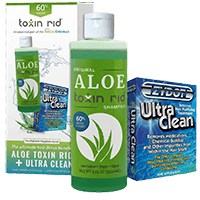
- Highly effective for drug tests
- Effective for heavy users
- Suitable for dreadlocks and dark hair
- Used in Macujo and Jerry G methods.
Understanding Hair Follicle Drug Tests: How They Work and Why They Matter
So you know this test is coming.
And you know it’s serious.
But what is this thing, exactly?
Let’s break it down.
Here’s the deal.
A hair drug test doesn’t look at the living root.
It analyzes the hair shaft you’ve already grown.
When you use drugs, metabolites enter your bloodstream.
As your hair grows, those metabolites get trapped inside the hair cortex.
They bind to the proteins in there.
Tight.
The math is simple.
Head hair grows about half an inch per month.
The lab cuts a 1.5-inch sample close to your scalp.
That sample covers roughly the last 90 days of your life.
This is why it’s so scary.
A urine test shows what you did last week.
This hair test? It shows a pattern of use from three months ago.
What are they looking for?
The standard panel hunts for the big ones:
THC (from weed), cocaine, methamphetamine, opiates (like heroin or codeine), and PCP.
The brutal truth.
It can’t tell the exact day you used, or exactly how long it takes for THC to leave your system entirely.
It can’t tell if you were a daily smoker or just dabbled a few times.
But it can show a history of use.
And that history can cost you a job, a license, or custody.
It feels unfair.
You might be clean now.
But this test is a time machine looking at your past.
So the big question becomes…
Given this tough, backward-looking test, what do people think works versus what actually works?
Let’s smash the biggest myths next.
Common Hair Drug Test Myths Debunked: What Really Works
So, given this tough, backward-looking test, what do people think works versus what actually works?
Let’s smash the biggest myths right now.
Myth: Bleaching or the Macujo method alone is a permanent, one-and-done fix.
This one sounds gangster. You hear about people bleaching their hair or using the Macujo method—a fiddly, multi-step chemical wash—and it feels like a sure thing.
But here’s the juicy secret: it’s not permanent magic.
Bleaching does damage the hair cuticle, making it more porous. A single session can degrade drug compounds by a lot—sometimes up to 80% for cocaine. The full Macujo method steps use acids and detergents to pry that cuticle open, claiming a tidy 90% success rate for THC.
The fact: These methods are aggressive treatments, not permanent cures. They require multiple, painful sessions spaced over days. And they are famously harsh, often leaving users with a sore scalp and chemical burns. They are a brutal tool, not a simple solution.
Myth: A single wash with household items (vinegar, baking soda) works.
This is the ultimate “cheap ass” dream. You see forum posts claiming you can pass a hair follicle test with vinegar or a baking soda to pass a hair drug test paste.
It feels logical. These items clean things, right?
The fact: It’s a total myth. Home remedies like vinegar, lemon juice, or baking soda cannot penetrate the hair’s inner cortex. That’s where metabolites are locked in from your bloodstream. A surface rinse does absolutely nothing to the drugs embedded deep inside. Relying on this is how people get slammed with a positive result.
Myth: Shaving your head is a foolproof solution.
The logic seems simples: no hair, no test. You think you’ve outsmarted the system.
The fact: You’ve just made your situation worse. If you show up bald, the tester will simply take hair from another body part—your leg, chest, armpit, or beard. And here’s the atrocious part: body hair grows slower and can hold a drug history for much longer than the standard 90 days. You’ve just given them a longer timeline to detect.
Myth: Second-hand smoke or environmental exposure can cause a positive test.
This fear is real. You worry that being at a party or living with a smoker could obliterate your chances.
The fact: While external contamination can land on your hair, labs are onto it. They use specific washing protocols and advanced mass spectrometry analysis to tell the difference. Drugs from actual use get incorporated into the hair shaft in a pattern. External gunk mostly sits on the surface and washes off differently. It’s a valid concern, but not the slam-dunk failure trigger people fear.
So, what’s the real takeaway?
Myths offer easy, cheap, or clever-sounding fixes. But the facts show they are full of holes. They either don’t work deeply enough, create new problems, or are based on a misunderstanding of the science.
This raises the obvious next question: if these popular ideas are busted, what actually determines whether you pass or fail? What are the real variables in play? That’s the critical stuff we need to unpack next.
Factors Affecting Hair Drug Test Results: A Scientific Overview
So we’ve busted the myths.
Now let’s talk about what’s actually real. The stuff that determines your test result on a scientific level.
And it’s not what you ate for breakfast.
The real factors boil down to a few key things. Some you can control. Some you can’t. Knowing the difference is everything.
First, your use history. This is the big one. How much, how often, and how recently. A one-time puff two months ago is a different universe than daily smoking for a year. More drugs in your system means more metabolites get woven into your hair shaft as it grows. Simple as that.
Second, your hair itself. This is where it gets fiddly. And unfair.
Your natural hair color matters. A lot. Science shows darker hair, especially black hair, binds way more drug metabolites than blonde or red hair. We’re talking a massive difference in concentration from the same exposure. Melanin—the pigment—is a primary binding site. So if you have thick, dark hair… you’re starting the game on hard mode.
Then there’s thickness and texture. Coarse, thick hair or dreadlocks can be tougher to penetrate deeply with any cleansing method. The structure itself creates a challenge.
Third, the sample source. If your head hair is too short, they’ll take it from your body. Armpits, chest, leg, beard. Here’s the problem: body hair grows slower and has longer resting phases. It can hold a detection window for up to a year. And it can’t be segmented to a timeline like head hair. So if they take a sample from your leg, it might show use from many months ago that head hair wouldn’t even reveal anymore.
So what can you actually control?
You can’t change your hair color or its natural growth rate. That’s genetics.
But you can control the method and intensity of your cleansing approach based on these factors. Understanding that dark, thick hair needs a more aggressive, deep-cleansing strategy than fine, blonde hair is the first step to not wasting your time.
It’s about matching the solution to the problem. And that leads us directly to the tools at your disposal. How do detox shampoos claim to tackle these exact variables? Let’s break down their actual mechanism.
Risk Assessment Questions for Hair Drug Test Preparation
So before you pick a product… let’s figure out how deep in the weeds you actually are.
Think of this like a quick risk calculator.
Answer these five questions honestly.
Your answers will tell you if you can get away with a simpler, cheaper wash… or if you need to pull out the gangster-level, deep-clean artillery.
More than two “Yes” or “High” answers?
Stop looking for budget options.
You need the most aggressive protocol you can find.
Let’s break it down.
Question 1: How often did you use?
This is about accumulation.
A single hit two months ago is a tidy problem.
Daily use for the last year? That’s a bloated, entrenched mess all along the hair shaft.
- High Risk: Daily or near-daily use. Chronic, long-term use.
- Lower Risk: One-time or very occasional use (like, once a month).
Question 2: When is the test?
Time is your biggest weapon… or your biggest enemy.
More days means more washes. More washes means deeper cleansing.
- High Risk: 48 hours to 5 days. This is a fiddly, rushed situation.
- Lower Risk: 10+ days. You have time to do a proper, repeated regimen.
Question 3: What’s your hair like?
This is the juicy science bit.
Drug metabolites (especially cocaine, meth, opioids) love to bind to melanin.
Darker, coarser hair has more melanin. It holds onto toxins tighter.
- High Risk: Black or dark brown hair. Thick, coarse, or low-porosity hair.
- Lower Risk: Blonde, red, or light brown hair. Fine or high-porosity hair.
Question 4: What were you using?
Not all substances are created equal in a hair test.
Some stick like glue. Others are a bit easier to wash out.
- High Risk: Cocaine, meth, opioids, PCP. These are “basic” drugs that bind aggressively to hair melanin.
- Lower Risk: THC (weed). Its incorporation is less tied to hair color, though it’s still detectable.
Question 5: Were you around heavy smoke?
This isn’t just about you smoking.
If you lived or worked in a haze of secondhand smoke, those particles can land on your hair and cause a positive from external contamination.
- High Risk: Living with daily smokers, working in a smoky environment (like a bar), or being in a hotboxed car.
- Lower Risk: Mostly clean environments with minimal exposure.
Now, tally it up.
If you answered “High Risk” or “Yes” to three or more of these…
…your situation is atrocious. Simple household hacks likely won’t cut it.
You need a product built for heavy-duty, deep-cortex cleansing.
You need a method that can obliterate metabolites that have been sitting in your hair for months.
If you’re mostly “Lower Risk”…
You might have more flexibility with a milder, more budget-conscious approach.
But here’s the real talk.
Even one “High Risk” factor—like having the test in two days—can slam your plans and force you into a more intensive protocol.
This isn’t about scaring you.
It’s about matching the tool to the job.
Using a gentle shampoo on a heavy-user, dark-hair, 48-hour situation is like bringing a squirt gun to a forest fire.
So be honest with yourself.
Your answers here directly decide how much time, money, and physical effort you’ll need to invest.
Next up, we’ll look at the actual tools—how detox shampoos claim to work and what their real limitations are. Because knowing your risk level is one thing. Knowing what the bottle can actually do is another.
How Hair Detox Shampoos Work and Their Realistic Limitations
So you know your risk level.
But what about the actual tool everyone’s talking about?
The big claim is that detox shampoos can get inside the hair shaft and flush out the drug metabolites hiding in the cortex.
Here’s the theory.
They’re not your average shower shampoo.
They use powerful surfactants and solvents—like propylene glycol—to pry open the hair’s protective outer layer, the cuticle.
Think of it like using a special key to unlock a door that’s normally sealed shut.
Once that door is open, chelating agents (like EDTA) go to work.
Their main job in regular shampoos is to grab onto hard water minerals and wash them away.
The hope is they can do something similar with toxin residues.
But here’s the first major limitation.
Chelators are gangster at removing surface minerals.
They’re not specifically designed to rip drug metabolites out of the deep keratin protein they’re bonded to.
The science shows that bond is strong.
The second limitation is effort.
This isn’t a one-and-done wash.
The claim requires repeated applications over several days.
You’re talking 3 to 10 washes, each with a 10-15 minute soak time on your scalp.
It’s a fiddly, time-consuming process.
And the third limitation is the dirty secret nobody likes.
Even the best detox shampoo often needs backup.
For the absolute best shot, you typically need to pair it with a “day-of” masking shampoo like Zydot Ultra Clean.
That’s an extra purchase.
An extra step.
An extra cost on test day.
It’s frustrating, I know.
You’re already spending a tidy sum on the main product.
So what’s the honest takeaway?
Detox shampoos claim to work by deep-cleansing the hair shaft with penetrating agents.
They are more aggressive than a simple clarifying shampoo that just strips surface oil.
But their real-world power has clear boundaries.
They require serious commitment.
They can’t work miracles on a heavy, chronic user with zero abstinence.
And they often aren’t a complete, standalone solution.
Knowing this isn’t a defeat.
It’s clarity.
It separates the hype from the reality.
And that leads to the essential question: If they all have these limits, what criteria should you actually use to judge which one is best?
That’s exactly what we’ll break down next.
Evaluating Hair Detox Shampoos: What Really Matters
So what do you actually look for?
Forget the marketing hype. Forget the “guaranteed pass” promises on the bottle. You need a gangster filter to cut through the noise.
Here’s your buyer’s checklist. Simples.
1. Proven, Deep-Cleansing Ingredients (Not Just “Natural Extracts”)
Look for the heavy hitters.
A formula needs chelating agents (like EDTA) to bind and pull out metals and residues.
It needs penetration enhancers (like propylene glycol) to push those agents deeper into the hair shaft.
And it needs strong surfactants (like SLS) to obliterate oils and buildup.
If the label just lists a bunch of plant extracts and a “detox blend”? It’s probably a surface cleaner. Not what you need.
2. Documented Success with Hard Drugs & Heavy Users
This is the big one.
You don’t care if it works for someone who smoked once last month.
You need proof it works for daily THC, cocaine, meth, opioids.
Look for user reviews that specifically mention these substances and heavy use patterns. The success stories need to be tidy—detailed, with wash counts and timelines.
3. Authentic User Proof (Show Me the Empty Bottle)
A text review is easy to fake.
Video proof is everything.
The gold standard is a review showing a completely empty bottle of the product they used. That’s real commitment. It shows they followed through. It’s the best evidence you have that they actually used the damn thing.
4. Clear Instructions & Realistic Expectations
If it says “use once and pass,” run.
A real protocol is a multi-day, multi-wash process. It should tell you exactly how many washes, how long to leave it in, and what to expect. It should also be honest about its limits. Promises of a “permanent detox” are a massive red flag.
5. Company Reputation & A Real Guarantee
The market is flooded with fakes.
You need to know you’re getting the real formula, not some diluted knockoff from a third-party marketplace. A solid company will have a clear purchase channel and a money-back guarantee. That’s your safety net.
So, there’s your filter.
Using these five criteria, we can now do something useful: analyze the actual products on the market and see which ones make the cut.
Reviewing Top Hair Follicle Detox Shampoos: What Works and Why
So, you want to know what shampoo will pass a hair follicle test.
After all the research, the reviews, and the user reports… a clear ranking emerges. Not from hype. From what people actually say works when their job is on the line.
Let’s get straight to it.
#1: Old Style Aloe Toxin Rid Shampoo
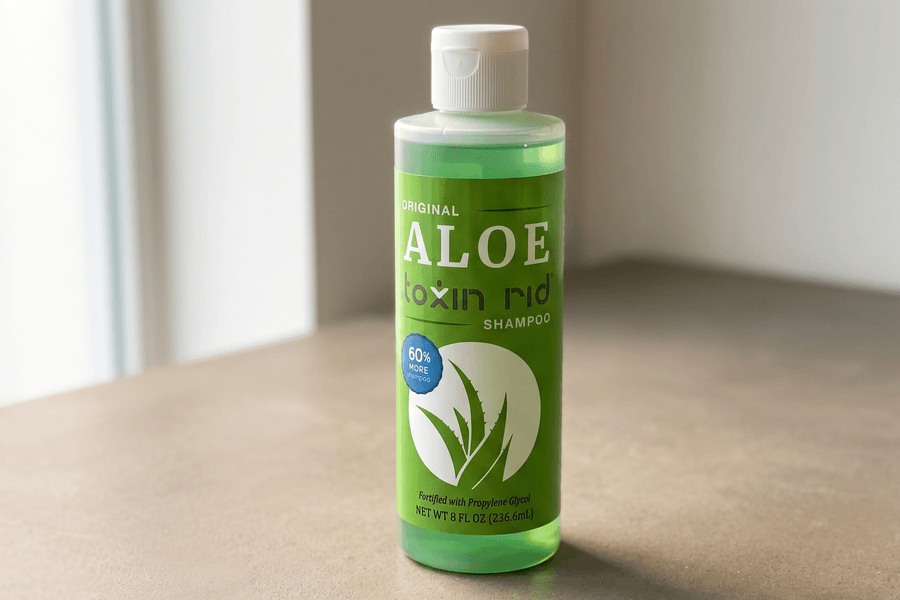
This is the gangster of the group. The top pick. The one that shows up in almost every successful story, especially for hard drugs and heavy use.
Why it’s #1:
It’s not just a surface cleaner. Its formula is built different. The key is propylene glycol—it acts like a penetration enhancer, helping the formula get deep into the hair shaft where metabolites hide. It’s also got EDTA, a chelating agent. This isn’t marketing fluff; it’s a chemical mechanism.
The user reports are the real juice. We’re talking verified buyers on forums detailing passes after 10-15 washes over several days. People who used weed, ice, or opioids. The best shampoo to pass hair follicle drug test reviews almost always point back to this bottle.
The big drawback? The price. A single bottle runs $134 to $170. It’s a tidy sum. But here’s the “but/so” pivot: So you pay for the formula that’s been the backbone of the Macujo method for years. But you have to buy the real one. Counterfeits are everywhere. You need to check for the specific propylene glycol ingredient and the right UPC barcode. The official source is TestClear.
(For a full breakdown on ingredients and success stories, check out our dedicated Old Style Aloe Toxin Rid review.)
- Highly effective for drug tests
- Effective for heavy users
- Suitable for dreadlocks and dark hair
- Used in Macujo and Jerry G methods.
#2: Zydot Ultra Clean Shampoo
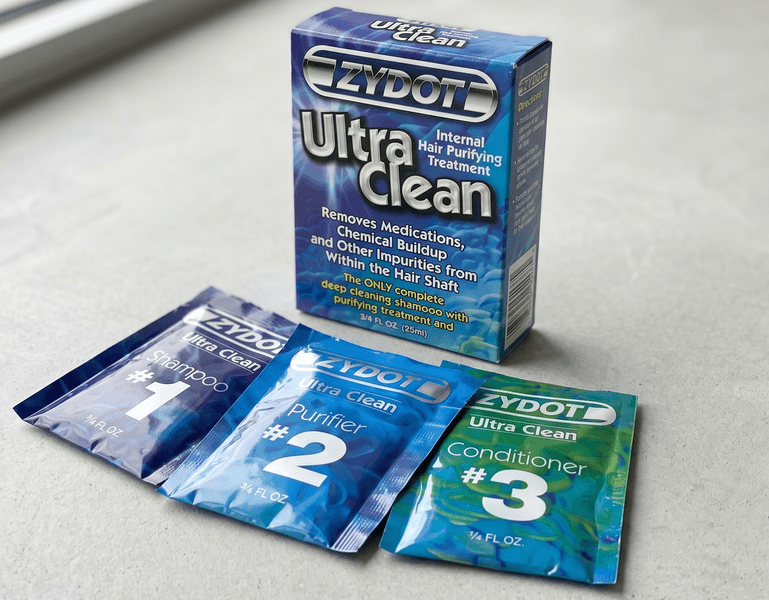
Think of this as the essential sidekick. It’s a three-part system: shampoo, purifier, conditioner.
Its strength: It’s a phenomenal final rinse. Many top protocols, like the Macujo and Jerry G methods, use Zydot as the last step to clear out any residual gunk from the harsh cleaning process. It’s designed for surface and deeper residue.
Why it’s not #1: Alone, it’s not the heavy lifter. It’s a cleanser, not a deep-penetrating detoxifier. For a heavy user with a test in 3 days, relying on Zydot alone is risky. It’s best used in combo with our #1 pick. The kit is about $35-$36.
#3: High Voltage Folli-Cleanse Detox Shampoo
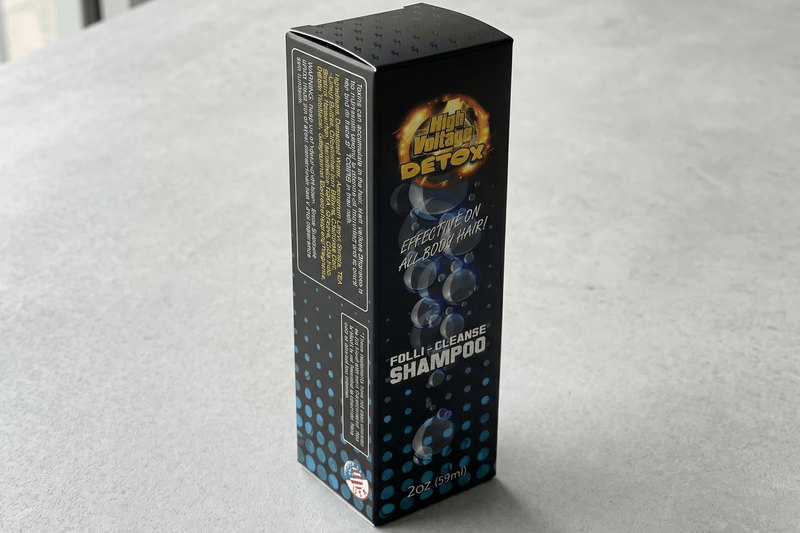
This one has a decent rep for a lighter touch.
Its strength: It’s a standalone, two-stage wash. You apply it, throw on a shower cap for 20-30 minutes, and rinse. Users report a clean feeling and a 36-hour confidence window. For a light, recent user, it might do the job. The price is right at $34.95.
The limitation: The reviews get mixed for heavy, chronic users or people with thick, dense hair. The formula doesn’t have the same deep-cleansing pedigree as Old Style Aloe Toxin Rid. It’s a surface-level solution for a deep-level problem.
#4: Macujo Aloe Rid Shampoo (The Newer Formula)
Don’t let the name fool you. This is not the same as the Old Style formula.
Its strength: It’s cheaper. A 6oz bottle is $30-$50. It’s marketed for the Macujo method.
The critical flaw: It’s the nexxus aloe rid original formula vs aloe toxin rid debate. The original Nexxus version is what built the method’s reputation. This newer “Macujo Aloe Rid” is a different formulation. User reports on efficacy are far less consistent, especially for aloe rid shampoo drug test results involving hard drugs. You’re saving money, but you might be buying a weaker copy.
#5: Rescue Detox / Nutra Cleanse Folli-Clean Shampoo
We’ll group these. They make big claims—like cleansing hair in 60 minutes.
Their appeal: Speed and a lower price point.
The reality check: The toxin wash reviews for these are sparse and often skeptical. The “quick fix” promise is a massive red flag in a process that requires deep, cumulative cleansing. For a high-stakes test, relying on a one-hour miracle is playing with fire.
The Bottom Line:
You’re not just buying a shampoo. You’re buying a proven process. Old Style Aloe Toxin Rid has the formula and the user-tested track record. Zydot is the perfect cleanup hitter. The others are gambles—cheaper, but with less evidence for the tough cases.
So, you’ve got the ranked list. You know what’s worth your cash and what’s probably a waste.
But knowing what to buy is only half the battle. The other half is knowing exactly how to use it so you don’t waste that expensive bottle.
That’s next.
Step-by-Step Guide to Using Hair Detox Shampoos
Look.
You can have the gangster shampoo on the planet.
But if you use it wrong, you’re lighting your cash on fire.
This isn’t just soap. It’s a process. And the process has rules.
Follow them, or fail. It’s that simples.
The Standard Protocol (Your Baseline)
This is for the Old Style Aloe Toxin Rid. The minimum you need to do.
1. Get it wet.
Use warm water. Soak your hair completely.
2. Use a LOT.
Don’t be shy. A big, palm-sized glob.
3. Massage like you mean it.
Get your finger pads in there. Right on the scalp. Focus on the first inch or two from the roots—that’s where the metabolites hide.
4. Work the lather.
From your scalp, down to the tips. Got thick hair? Use a wide-tooth comb to make sure every strand gets coated.
5. Let it sit.
This is critical. Leave that lather on for 10-15 minutes. Let the formula work.
6. Rinse until it’s gone.
Warm water. Keep rinsing until the water runs totally clear.
7. Repeat. A lot.
You’re not doing this once. You need 10 to 15 washes leading up to your test. Spread them out over several days.
8. Day-of final wash.
Morning of your test? Do one more full wash, just like this.
Pro tip: If your hair is super oily, do a quick wash with a gentle regular shampoo first. Gets the grease out of the way.
The Advanced Protocol: Mike’s Macujo Method
This is the heavy artillery.
It’s for heavy users, hard drugs, or if you’re just out of time. It’s fiddly. It’s painful. But it’s the most aggressive method out there.
Warning: This uses harsh chemicals. You will feel burn. You risk scalp damage. Gloves and goggles are non-negotiable.
What you need:
- Old Style Aloe Toxin Rid (the core)
- Arm & Hammer Baking Soda
- Clean & Clear Astringent (2% salicylic acid)
- Liquid Tide Laundry Detergent
- Heinz White Vinegar
- Zydot Ultra Clean (for day-of)
- Vaseline, rubber gloves, goggles, shower cap
The 9-Step Cycle (One Round):
- Wash with Aloe Toxin Rid. Rinse.
- Baking Soda Paste: Mix with water, massage in 5-7 mins. Rinse.
- Astringent Soak: Drench hair. Massage 5-7 mins. Smear Vaseline on your forehead, ears, neck. Shower cap on. Wait 30 mins.
- Tide Scrub: Tiny dab of Tide. Scrub hard for 3-7 mins. Rinse thoroughly.
- Second Aloe Rid Wash.
- Vinegar Spray: Saturate hair. Massage. Do not rinse. Just pat dry.
- Second Astringent Soak: Drench hair again. Let it sit 30 mins.
- Second Tide Scrub.
- Final Aloe Rid Wash.
That’s one cycle. It takes about 2-3 hours.
How many cycles?
- Light/moderate user: 5-8 cycles.
- Heavy user: 10-15 cycles.
- Do 1-3 cycles a day, for about 10 days before your test.
Your scalp will hate you. Redness, burning, scabs are common. Reapply Vaseline before every cycle to protect your skin.
The Final Step: The Day-Of Mask
After all that work, you need a cleanup hitter.
This is where Zydot Ultra Clean shampoo comes in. It’s your final, day-of treatment to strip any last surface residue.
It’s a 3-packet system—shampoo, purifier, conditioner. Takes about 30-40 minutes.
Do not skip this. It’s the final seal on the deal.
So, you’ve got the playbook. The standard wash for the prepared, and the Macujo assault for the desperate.
But following these steps takes time. Which leads to the big question burning in your brain…
“How fast can this actually work?”
That’s next.
Hair Drug Test Timelines: How Fast Can You Really Pass?
How Fast Can You Really Pass?
So you followed the steps.
You did the washes, you used the Old Style Aloe Toxin Rid, you suffered through the vinegar burn.
Now the clock is ticking.
You’re searching for how to pass a hair follicle test in one day or how to pass a hair follicle test in 2 days.
Let’s get brutally honest.
There is no magic, guaranteed 24-hour pass.
Anyone selling you that dream is selling you false hope. The biology just doesn’t work that fast.
Here’s the real timeline framework.
The 7-10 Day Window (Your Best Shot)
This is the sweet spot.
If you have a week to ten days before your test, you’re in a strong position.
You can get in 10-15 dedicated washes with a top-tier shampoo like Old Style Aloe Toxin Rid.
Each wash cycle (with 10-15 minutes of dwell time) cumulatively chips away at the metabolites.
For a moderate, occasional user, this timeline gives you a solid fighting chance.
It’s the difference between a rushed hack job and a proper, deep-cleansing campaign.
The 3-5 Day Scramble (High Risk, Lower Odds)
This is where panic sets in.
You’re searching how to pass hair follicle test asap.
Can you pass a hair follicle test in a week with only 3-5 days?
It’s possible, but your odds drop.
You’re cramming what should be a 10-day protocol into less than half the time.
You’ll need to double up on washes, maybe even combine it with the Macujo method.
But here’s the hard truth: heavy, chronic users with only a few days face the steepest climb.
The metabolite load in their recent hair growth is just too high to fully strip in such a short window.
You might reduce concentrations, but getting below the lab’s cutoff? That’s a much bigger gamble.
The “Day-Of” Illusion (The 24-Hour Mask)
This is the most misunderstood part.
You see products like Zydot Ultra Clean marketed for day-of use.
So you think, “Great! I’ll just use that tomorrow morning!”
Nope.
Zydot is a surface mask. It’s a cleanup hitter, not a deep cleanser.
It can temporarily reduce surface contaminants for a 24-hour window at best.
But it does not perform the deep extraction needed to remove metabolites locked in the hair cortex.
Think of it like putting a fresh coat of paint over a rusty car. It looks better for a bit, but the rust is still there underneath.
Using only a day-of shampoo without the prior multi-day washing protocol is one of the fastest ways to fail.
So, how fast can you pass?
Realistically, give yourself 7-10 days minimum for a proper, methodical assault.
Less than that, and you’re rolling the dice.
And while you’re racing this clock, it’s critical you understand the potential downsides and risks involved with these intense chemical methods… which is exactly what we need to talk about next.
- Highly effective for drug tests
- Effective for heavy users
- Suitable for dreadlocks and dark hair
- Used in Macujo and Jerry G methods.
Potential Risks of Hair Detox Shampoos: What You Need to Know
Let’s get brutally honest here.
Because while you’re scrambling for a fix, you could be walking into a different kind of trap. The pursuit of a negative test has its own costs. And ignoring them is a fast track to a different kind of failure.
Here’s the ugly truth broken down.
1. Your Health: The Scalp Damage is Real
Those aggressive methods? They’re not gentle. We’re talking real, physical pain.
- Chemical Burns: The Macujo method’s vinegar and salicylic acid combo can sting like hell. Add in Tide detergent, and you risk actual chemical burns, scabs, and open wounds on your scalp.
- Severe Dryness & Breakage: Bleaching (the Jerry G method) and harsh detox shampoos obliterate your hair’s natural oils. The result? Hair that’s brittle, fried, and prone to snapping off. We’re talking frizz city and major breakage.
- Allergic Reactions: If you have sensitive skin, eczema, or psoriasis, watch out. The sulfates, fragrances, and acids in these formulas can trigger nasty reactions—redness, itching, rashes around your hairline and ears.
The bottom line? You might pass the test but show up looking like you lost a fight with a lawnmower. And some damage can be long-term.
2. The Lab Might Flag You for “Tampering”
Think you’re being slick? Labs have seen it all.
- They Notice Fried Hair: Excessive bleaching, obvious chemical damage, or hair that’s been stripped to straw raises a giant red flag. A lab tech can document this as “possible tampering.”
- That Can Trigger a Retest or Worse: A “tampering” flag isn’t an automatic fail, but it’s a massive headache. It can lead to a retest under observed conditions, sample rejection, or a note that casts doubt on your entire result. Some testing programs treat it as equivalent to a positive.
3. The Failure Risk: No Guarantees, Ever
This is the hardest pill to swallow.
- It’s Not 100%: No method—not Old Style Aloe Toxin Rid, not the Macujo, not bleach—is a guaranteed pass. Drug metabolites get locked deep inside the hair shaft. Shampoos primarily work on the surface.
- Heavy Users Face Longer Odds: If you’re a daily or long-term user, the concentration of metabolites in your hair cortex is higher. Stripping them all out is a monumental task. Failing after all that pain and expense is a very real possibility.
- The Science Isn’t On Your Side: Independent, peer-reviewed studies don’t back up the miracle claims. One lab study showed a shampoo reduced a metabolite by 73%… in a test tube. Real-world results on actual humans? That’s where the data gets thin.
4. Legal & Ethical Landmines
Depending on your situation, this isn’t just about a job.
- It Can Be Illegal: In states like Florida, Illinois, and Texas, intentionally defrauding a drug test is a crime. We’re talking misdemeanors, fines, even felony charges in some places.
- Court-Ordered Tests Are High-Stakes: If this is for probation or family court, getting caught cheating isn’t just a “fail.” It’s a violation of a court order. That means contempt charges, extended probation, jail time, or losing custody.
- DOT & Safety-Sensitive Jobs: For CDL drivers or similar roles, cheating gets reported to federal databases. It can kill your career for years.
So, you’re staring down a chemical burn, a possible lab flag, no guarantee of success, and potential legal heat.
But what if you’re still in a bind and have to try? For those who understand the risks and need to proceed anyway—especially if testers are taking body hair from your arms, legs, or chest—there are specific, high-stakes tactics to consider. Let’s get into those.
Strategies for High-Stakes Hair Drug Tests: Common Pitfalls and Solutions
Body Hair Tests? Here’s the Deal.
So the collector is going for your arm, leg, or chest hair instead of your head.
First, don’t panic.
But understand this: body hair grows way slower.
That means it holds a much longer detection window—we’re talking up to a year of history, not just 90 days. The same detox shampoos can work here.
But you’ll need to obliterate the problem with more product and longer soak times. Think double the amount, and leave it on for 20-30 minutes per wash. It’s a fiddly, messy process, but it’s the same chemical principle.
Thick, Curly, or Dreadlocked Hair?
This is where the standard “lather and rinse” advice falls apart.
Your hair’s density and texture are a fortress protecting those metabolites. To break through, you have to be methodical.
Section it off. Divide your hair into 4-8 parts. Apply the shampoo generously to each section, using a wide-tooth comb to work it down to the scalp. The goal is full saturation.
You’ll likely need more washes than someone with fine hair. And you must increase the dwell time—let the formula sit for a solid 15 minutes before rinsing. Don’t rush this.
The Re-Contamination Nightmare
You’ve done the wash. Your hair is chemically clean.
Then you sleep on your old pillowcase. Or put on that beanie you wore last week.
Boom. Contaminated again.
This is a silent killer for test results. During your detox cycle, you must treat your environment like a biohazard zone.
Swap out everything that touches your hair. Pillowcases, hats, hoodies, towels, combs—wash them in hot water or bag them. Avoid smoky rooms or old cars where residue lingers. It’s a pain, but skipping this makes all the previous work pointless.
The “Bald” Scenario
No head hair? The collector will take it from elsewhere.
Legs, chest, back, armpits—fair game. The same rules apply: more product, longer time.
But here’s the critical, often-missed point: if your body hair is also too short (less than half an inch), the lab protocol might force a switch to a urine or oral fluid test instead.
Know the rules. For federal (DOT) tests, if no hair sample meets minimum length, they must collect an alternative specimen type. Shaving your head to avoid the test just guarantees they go for your body hair. There’s no free pass.
Hair Drug Test FAQs: Clearing Up Common Confusions
Where can I buy Old Style Aloe Toxin Rid without getting a fake?
Don’t look for it at CVS or a local beauty store. You won’t find the authentic version there.
Your only safe bets are the official manufacturer sites like TestClear or authorized retailers. Avoid Amazon, eBay, or TikTok Shop like the plague—the counterfeit risk is sky-high. If the price seems too good to be true, it’s a fake.
Can the lab detect the detox shampoo itself?
Nope. Labs aren’t testing for shampoo residues.
But here’s the catch: they can spot hair that’s been chemically fried or has weird, inconsistent damage patterns from harsh methods. A quality shampoo like Old Style Aloe Toxin Rid is designed to clean without leaving obvious red flags.
What if I only have 3 days to prepare?
It’s tight, but not impossible.
The official guidance says start 3-10 days out. With only 3 days, you’ll need to do multiple washes per day. Just be smart about it—space them out to avoid turning your scalp into a war zone. Every wash counts.
Will using a CBD or hemp oil shampoo make me fail?
Highly unlikely. The amount of THC in these shampoos is trace, if it’s even there at all.
The bigger risk is a mislabeled product. Stick to reputable brands for your normal hair care. The real danger isn’t your shampoo—it’s the metabolites locked inside your hair shaft from past use.
Can I just shave all my body hair to avoid the test?
Bad move. It’s a giant red flag.
If you show up bald everywhere, the collector will note it. Most testing policies will treat that as a refusal to test, which is an automatic fail. And if they can find any hair—like from your arms or legs—they’ll take that. Older body hair can hold drug history for even longer.
So, is there a detox shampoo I can grab at CVS nearby?
You might find detox shampoos, but not the specific ones that work for this.
CVS sells general “detox” or clarifying shampoos, but they’re for product buildup, not for passing a drug test. They lack the specialized formula needed to reach the hair cortex. For the real deal, you have to order online from trusted sources.
Bottom line: Get the right stuff from the right place.
Your best shot is using a proven product correctly. Don’t gamble with a random bottle from a store shelf or a sketchy online listing. The stakes are too high for that.
Now you know what’s real. The next step is putting the right plan into action.
Remembering the Facts: A Calm Approach to Hair Drug Tests
So… you’ve waded through a ton of noise.
Let’s lock in the real facts before you make a move.
Myth: Vinegar, baking soda, or lemon juice washes will clean your hair.
Fact: They can’t. These home remedies sit on the surface. They don’t have the chemical muscle to penetrate the hair shaft and pull out the metabolites locked in the cortex.
Myth: Just shave your head and you’re clear.
Fact: Nope. If head hair isn’t available, testers will take it from your arms, legs, chest, or beard. Body hair has a different growth cycle and can hold traces even longer.
Myth: Bleaching or dyeing your hair destroys the evidence.
Fact: It might fry your hair, but it won’t reliably obliterate the metabolites inside. Labs see chemically damaged hair all the time.
Myth: Secondhand smoke will make you fail.
Fact: The lab’s washing process and advanced testing can tell the difference between external contamination and metabolites your body actually produced.
The test itself is scientifically sound. The drugs get into your hair from your bloodstream. That’s the hard truth.
Specialty shampoos are a tool with proven mechanics—not magic. The top-ranked option, Old Style Aloe Toxin Rid, earns its spot because of its formula. It uses propylene glycol to help penetrate the hair and EDTA to chelate and remove toxins. User success stories often involve a multi-day protocol with a final cleanse on test day.
- Highly effective for drug tests
- Effective for heavy users
- Suitable for dreadlocks and dark hair
- Used in Macujo and Jerry G methods.
But it’s not a guaranteed pass. Results vary, especially for heavy users. It’s a tool with realistic limitations.
The bottom line?
Stop panicking. Start planning.
Use the criteria and steps we’ve laid out. Make a calm, evidence-based decision. Your next move should be a smart one—not a desperate, scalding shower with a bottle of vinegar. You’ve got the facts. Now use them.