
Can Fake Pee Be Detected? Lab Methods Explained
So, you’re staring down a drug test and wondering if fake pee can actually be detected.
The short answer? Yes, it can.
And if you’re feeling that knot of anxiety in your stomach right now, I get it. This test feels like everything. But don’t panic.
This guide is here to walk you through, step by step, exactly how labs identify synthetic urine. We’re going to break down the science in plain English—no confusing jargon.
First, we’ll cover the hard facts and the primary method every lab uses to spot a fake. That’s the foundation.
Then, and only then, will we talk about what makes some solutions more reliable than others. Let’s start with the basics.
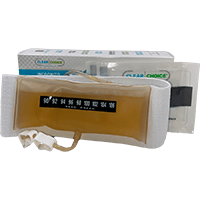
- All you need to pass your test in one kit.
- It will pass specimen validity tests.
- Labs cannot tell that it’s synthetic.
- Invisible under clothes.
- Maintains perfect temperature.
What Is Synthetic Urine? Composition, Legitimate Uses, and Its Role in Drug Testing
So what exactly are we talking about here?
Synthetic urine is a lab-made liquid.
It’s engineered to mimic the chemical, physical, and visual properties of the real thing.
Think of it as a scientific replica.
The core formula is pretty straightforward.
It’s mostly distilled water—about 95% of the mix.
Then, the key ingredients get added to fool the tests:
- Urea and uric acid (the waste products your body makes).
- Creatinine (a huge marker labs look for).
- A precise blend of salts and minerals to match the pH and specific gravity.
- Yellow dye and sometimes foaming agents to get the look and bubble right.
Now, it’s not just a sneaky trick.
This stuff has legitimate, gangster uses.
Labs use it to calibrate their testing equipment.
Manufacturers use it to test things like medical diapers or urinalysis devices.
But let’s be real.
Its main role in our world is for passing drug tests.
People use it to substitute their own urine sample.
It’s a direct response to testing policies that feel invasive or unfair.
A way to keep your job and your privacy.
So, the formula tries to pass every visual and initial chemical check.
It even comes with heating pads to hit that critical 90-100°F temperature window.
But here’s the juicy question…
If people are using this to pass, how do the labs try to spot it?
That’s exactly what we need to unpack next.
How a Urine Drug Test Works: The Process from Sample Collection to Lab Analysis
How a Urine Drug Test Works: The Process from Sample Collection to Lab Analysis
So you’ve got the cup in your hand.
What happens next is a strict, step-by-step process.
First, they check your ID.
Then you empty your pockets.
You might even take off a jacket or hat.
The goal is simple.
To make sure you don’t bring anything in with you.
You’ll get a single-use cup with a temperature strip on the side.
You go into a bathroom—usually alone, with the door just cracked open.
Here’s the critical part.
When you hand that cup back, the collector checks the temperature strip within 4 minutes.
It has to be between 90-100°F.
Too cold?
Too hot?
That’s an automatic red flag. The test is over before it even starts.
Now, let’s talk about what happens in the lab.
This is where it gets really interesting.
The lab isn’t looking for the drugs themselves.
What does a urine drug test actually detect?
It looks for metabolites. These are the leftover chemical traces your body creates after processing a substance.
Think of it like finding empty beer cans the morning after a party.
The metabolites are the evidence.
The first check is a quick screen.
They use a method called immunoassay. It’s fast and cheap.
It basically throws antibodies at your sample to see if they stick to specific drug metabolites.
If the screen is negative, you’re clear.
If it’s positive, they run a confirmation test.
This is the heavy artillery—GC-MS or LC-MS.
These machines can pinpoint the exact molecular structure of a substance.
It’s forensic-level proof.
But wait.
Before they even look for drugs, they check the sample itself.
This is called Specimen Validity Testing (SVT).
They’re asking one simple question: Is this real, human urine?
They measure things like:
- Creatinine levels
- Specific gravity (how dense it is)
- pH balance
- Oxidants/pH adulterants
This is the first hurdle.
And it’s a big one.
Oh, and one more thing.
A lot of people ask… can a urine drug test detect pregnancy?
Nope.
That’s a completely different test. A drug test looks for metabolites. A pregnancy test looks for the hormone hCG.
They are not the same. At all.
So the lab’s protocol is clear.
First, they validate the sample.
Then, they hunt for metabolites.
Understanding this full protocol is the first step in learning proven methods to pass a urine test.
And that validity check?
That’s exactly where modern labs try to catch fake urine.
Next up… how they do it.
Primary Methods Labs Use to Detect Synthetic Urine in a Drug Test
So the lab’s protocol is clear.
First, they validate the sample.
Then, they hunt for metabolites.
But let’s break down that first part.
The validation.
Because this is where they try to catch fake urine.
Here’s the exact sequence.
1. The Instant Sniff Test: Eyes, Nose, and Temperature
This happens within 4 minutes of you handing over the cup.
The collector isn’t just being nosy.
It’s protocol.
They check the temperature strip.
The magic number?
90°F to 100°F.
Anything outside that range is a giant red flag.
It’s documented as a “reason to believe” the sample is fake.
And it often means an immediate, supervised re-test.
Ouch.
Then, they look.
They’re checking for a natural yellow color.
Not neon. Not clear like water.
They also look for a little foam when it’s poured.
And yes, sometimes they note the smell.
Old-school synthetics failed here.
They were odorless or had a weird chemical tint.
Modern formulas get this right.
So the visual check alone rarely trips up a good fake.
2. The Chemistry Check: pH, Creatinine, and Specific Gravity
This is the real gatekeeper.
Your sample goes to the lab.
And they run it through validity testing.
This is mandatory. Every single time.
They’re looking for three key things.
Creatinine.
This is a waste product from your muscles.
Real pee has it. A lot of early fakes didn’t.
The lab has a normal range: 20–300 mg/dL.
If it’s below 2?
The sample is flagged as “substituted.”
Game over.
Specific Gravity.
This measures how thick or watery the urine is.
Normal range: 1.002–1.030.
Too low? It’s like water.
That’s a “dilute” result, which raises suspicion.
Too low with low creatinine?
That’s a “substituted” result. Another fail.
pH Level.
Real urine is slightly acidic to neutral.
Normal range: 4.5–8.0.
If the pH is super high or super low?
It means someone added something.
A strong acid or base.
That’s an “adulterated” result.
So if your synthetic urine has the wrong creatinine level or a wacky pH?
The lab catches it here.
This is where a lot of older, cheaper formulas get obliterated.
3. The Adulterant Check: Looking for Sneaky Chemicals
The lab also runs a general screen.
They’re looking for things people add to real urine to hide drugs.
Things like bleach, nitrites, or glutaraldehyde.
These chemicals can destroy drug metabolites.
If any of these show up?
The sample is reported as “adulterated.”
Another instant fail.
4. The Deep Dive: Advanced Analysis (If They’re Really Suspicious)
Now, this part is important.
Labs have advanced tools like GC-MS.
It’s the gold standard.
It can identify the exact molecular fingerprint of a sample.
Theoretically, it could spot a synthetic.
But here’s the juicy part.
They almost never use it for routine screening.
Why?
It’s expensive. We’re talking $200-$500 per test.
It’s slow. Takes days.
And it’s not built for high-volume testing.
So GC-MS is usually saved for confirming a positive drug result.
Not for sniffing out fakes on a large scale.
There’s also emerging tech that checks for human proteins.
But that’s mostly in research labs.
Not at your local Quest or LabCorp.
So, what’s the real takeaway?
The primary battle happens at steps 2 and 3.
The chemical validity and adulterant checks.
This is the modern filter.
And it’s where the quality of your synthetic urine makes or breaks everything.
But what specific chemicals are they testing for?
And which ones are the absolute deal-breakers?
That’s next.
- All you need to pass your test in one kit.
- It will pass specimen validity tests.
- Labs cannot tell that it’s synthetic.
- Invisible under clothes.
- Maintains perfect temperature.
Chemical Validity Checks: What Labs Analyze Beyond Drug Metabolites
So, what are these deal-breaker chemicals?
First, know this. These checks aren’t an optional extra. They’re a standard, required part of the process for any reputable lab. It’s how they prove the sample is actually from a human body.
Creatinine.
This is a waste product from your muscles. Real pee has it. A lot of fakes don’t have enough. Labs measure it on every single sample. If it’s too low, it screams “this isn’t real.”
Specific Gravity.
This is just a fancy term for how dense or thick the urine is. Water has a gravity of 1.0000. Real human pee is always denser than that. If your sample has the gravity of water, you’re instantly caught.
pH.
This measures how acidic or basic the urine is. Human pee lives in a specific range. Too acidic or too basic? The lab flags it as someone added a chemical to try and fool the test.
Common Adulterants.
This is the lab’s “most wanted” list. They specifically screen for chemicals people add to fake or ruin a test. Things like nitrite, glutaraldehyde, or bleach. If any of these show up, it’s an automatic fail.
Here’s the brutal part.
If your sample falls outside these normal, human ranges on any of these markers, it gets an automatic label. “Adulterated.” “Substituted.” “Invalid.”
And that label? It’s treated the same as a confirmed positive drug test. A fail. Under strict rules like the DOT, it’s even called a refusal to test.
So, the lab’s first question isn’t even “are there drugs?” It’s “is this even real human pee?”
So, does a standard drug test at my local clinic actually do all these checks?
Can a Standard Drug Test Panel Detect Synthetic Urine? Clarifying the Confusion
Short answer? Yes.
Here’s the deal.
That “5-panel” or “10-panel” label? It’s a total misdirection.
People see a “5-panel” and think it’s some cheap, basic test. Easy to fool.
Wrong.
The “panel” number only tells you how many drug classes they’re looking for. Like THC, cocaine, amphetamines. It has zero to do with how hard they check if the sample is real.
The urine validity test is a separate, standard process.
And it runs on almost every single sample that hits the lab. It’s not an optional upgrade.
So, can a 5-panel drug test detect fake urine? Absolutely. If the lab does its standard checks.
Can a 10-panel drug test detect fake urine? You bet. The same validity tests apply.
Think of it like this. The drug panel is checking for specific invaders (drugs). The validity test is checking the house itself (the urine). Is the foundation cracked? Is the paint fresh? Is it even a real house?
The lab’s first job is to make sure the house is legit. They run what’s called Specimen Validity Testing (SVT).
This isn’t some fancy, extra-cost add-on.
For any regulated test (like DOT jobs), SVT is mandatory. It happens before they even look for drugs.
They’re checking three things on every sample:
- Creatinine levels. (Is it too watery? A dead giveaway for substitution.)
- Specific gravity. (Does it have the right density?)
- pH balance. (Is it acidic or basic like real urine?)
- Oxidants. (Did you add bleach or other chemicals?)
These aren’t vague checks. They have hard numbers.
Creatinine below 2 mg/dL? Specific gravity out of the 1.001 – 1.020 range? pH below 3 or above 11?
That’s an automatic flag. The sample gets labeled “adulterated,” “substituted,” or “invalid.”
And that label? It’s a fail. Game over. Same as testing positive for drugs.
Under strict rules like the DOT, it’s even called a “refusal to test.”
So, the lab detection capabilities for synthetic samples don’t depend on the drug panel. They depend on the standard validity protocol.
A basic 5-panel test at a local clinic has the same power to flag fake urine as a 10-panel at a major lab. If they run the SVT.
And most do. It’s standard procedure.
The bottom line on detection of fake urine in standard drug tests: Don’t get fooled by the panel number. The real gatekeeper is the validity test. And it’s almost always on duty.
Advanced Lab Detection in 2026: GC-MS, LC-MS, and the Challenge for Synthetic Urine
But detection technology isn’t sitting still.
If your sample gets flagged during the initial validity check, it doesn’t just get a “fail” stamp.
It gets sent to the big guns.
Think of it like this.
The basic tests are the bouncers at the door.
GC-MS and LC-MS are the forensic team in the back lab.
Gas Chromatography-Mass Spectrometry (GC-MS) is a gangster machine.
It first separates every single compound in your urine sample.
Then, it identifies the exact molecular structure of each one.
It’s building a chemical fingerprint.
Liquid Chromatography-Tandem Mass Spectrometry (LC-MS/MS) is even more precise.
It analyzes specific biomolecules that are naturally in human urine.
Things like phenylalanine, tryptophan, and certain carnitines.
Here’s the juicy part.
Real human urine has a complex profile of these compounds.
Synthetic urine? It’s missing a ton of them.
Studies show LC-MS/MS can look for the presence of fewer than 6 of these key biomolecules.
If they’re not there, it’s a massive red flag.
These machines can also hunt for direct synthetic markers.
Stuff like polyethylene glycols (PEGs) that are used in fake urine formulas.
Finding those is an instant tripwire.
So, the challenge for synthetic urine in 2026 is brutal.
You’re not just fooling a dipstick.
You’re trying to replicate the exact molecular signature of a human body.
And these advanced systems are built to spot the copy.
The good news?
Not every clinic or lab runs this level of analysis on every single sample.
It’s more common when a sample is already suspicious or for high-stakes testing.
Which brings us to where you’re most likely to face this tech…
Detection Rigor at Quest Diagnostics, LabCorp, and Smaller Testing Facilities
But here’s the thing.
Not every test is created equal.
The detection rigor you face depends entirely on where you pee. And knowing the difference is gangster.
Let’s break it down.
The Big Dogs: Quest Diagnostics & LabCorp
These are the national chains.
The heavy hitters.
They operate under strict federal guidelines (SAMHSA).
Think of it like a factory line built for precision.
Their process is predictable. And that’s actually good news for you.
You can plan for it.
Here’s their standard playbook:
- Automated Analysis: They use big, fancy machines that can blast through hundreds of samples an hour.
- Full Specimen Validity Testing (SVT): This is the key. Every single sample gets checked for a full panel of biomarkers—creatinine, pH, specific gravity, oxidants. This is the main trap for cheap synthetic urine.
- The Split Specimen: They seal a portion of your sample (Bottle B) in case you challenge the result. This gets sent for the super-precise GC-MS or LC-MS/MS testing.
- No Guesswork: The collector at the site doesn’t decide if your sample is fake. They just check the temp, color, and volume. The real science happens at the lab.
The process is thorough.
But it’s also a known quantity.
- All you need to pass your test in one kit.
- It will pass specimen validity tests.
- Labs cannot tell that it’s synthetic.
- Invisible under clothes.
- Maintains perfect temperature.
Smaller Clinics & Instant Tests
This is the wild west.
Point-of-care facilities, walk-in clinics, some doctor’s offices.
They often use lateral flow devices—basically, fancy test strips or cups.
The results are fast. But the science is limited.
Here’s what they can and can’t do:
- Instant Visual Results: It’s a negative/positive read based on color lines. Simple.
- Basic Adulterant Strips: Some cups have little pads that check for pH and creatinine. But these are crude checks, not full SVT.
- No Lab Equipment On-Site: They cannot run GC-MS. If your sample looks or smells weird, their only move is to send it to a real lab (like Quest or LabCorp) for confirmation.
- Physical Checks Only: The collector will do the temperature check (90-100°F in 4 minutes), look at the color, maybe give it a sniff. That’s their entire toolkit.
If your temperature is off here, they might make you re-test under observation.
But they can’t prove it’s synthetic on the spot.
The Bottom Line
The most stringent protocols are found in federally regulated tests.
And that’s a whole other level of scrutiny.
Which is exactly where we’re headed next.
DOT and Regulated Drug Tests: Heightened Scrutiny and Severe Consequences
So you’ve got a standard test. Cool.
But if you’re a truck driver, pilot, or work in any safety-sensitive job… you’re not dealing with a standard test.
You’re dealing with a DOT test.
And that changes everything.
What Makes a DOT Test Different?
This isn’t just company policy. This is federal law.
We’re talking about the U.S. Department of Transportation. They set the rules for six major agencies—FMCSA for truckers, FAA for pilots, and more.
The testing process is built for maximum scrutiny.
Three Critical Differences You MUST Know
1. The Paper Trail is Ironclad.
Every single step uses a federal Custody and Control Form (CCF). From the moment you hand over your sample, a strict chain-of-custody is documented. There’s no “losing” a sample in the shuffle.
2. Direct Observation Isn’t Just a Threat.
In a normal test, you’re alone in the bathroom. In a DOT test, they can—and will—bring in a same-gender observer.
And they don’t just watch.
You have to lift your clothes and turn around to prove you’re not hiding a device.
This happens if:
- The temperature is off (below 90°F or over 100°F).
- It’s a return-to-duty or follow-up test.
- The collector has any reason to suspect tampering.
3. The Consequences Are Life-Altering.
Getting caught using synthetic urine here isn’t just a failed test.
It’s a federal violation.
You’re immediately pulled from your safety-sensitive job. Your career is put on ice.
You must go through a mandatory Substance Abuse Professional (SAP) evaluation and a return-to-duty process before you can even think about working again.
Worse?
At least 18 states have laws making it a felony to use synthetic urine to defraud a drug test. A DOT test is the prime target for those charges.
The Bottom Line
Your fear of catching a felony charge or permanently ruining your commercial driving record? It’s 100% legitimate.
The risk calculus for a DOT test is completely different. The systems are designed by the federal government to catch substitution. The collectors are trained to spot it.
Playing this game with a DOT test is playing with fire. And the consequences aren’t just losing a job opportunity. They’re career-ending and potentially life-ruining.
Critical Factors That Influence Whether Synthetic Urine Passes or Fails
So you know the labs are looking for it.
But here’s the thing… even the best synthetic urine on the planet can fail because of user error.
Your biggest enemy isn’t some fancy machine.
It’s you messing up the basics.
Let’s break down the critical factors that separate a pass from a fail.
1. Temperature is EVERYTHING
This is the #1 reason people get caught.
It’s not even close.
The lab collector will check the temperature strip on the cup within four minutes of you handing it over.
The sample must be between 94°F and 100°F.
That’s a tiny window.
And it starts cooling down the second it leaves your body… or your heating source.
We’re talking a drop of 1-2°F per minute just sitting in the air.
Here’s the brutal truth:
- Body heat alone won’t cut it. Tucking a bottle in your armpit or groin will drop below 90°F in under 30 minutes. That’s an instant flag.
- Heating pads are fiddly. They can take 30-60 minutes to get to temp. And if you put the pad directly under the temp strip? You’ll get a false high reading of 2-4°F while the actual liquid is too cool.
- Microwaves are risky. Nuke it for more than 10 seconds and you can overheat it, degrading the chemicals inside.
Your move: You have to manage this like a science experiment.
Practice at home.
Get it to temp, strap on the heat pad correctly (opposite the strip!), and time how long it holds. Need a deeper dive on heat retention? This guide on how long urine stays warm is a solid resource.
2. Freshness & Shelf Life
Yes, synthetic urine can expire.
The chemicals inside—like urea and creatinine—break down over time.
Using an old, expired batch is a guaranteed way to fail a validity check.
Always check the batch number and shelf life on the bottle before you even think about using it. Most quality brands have a two-year shelf life, but don’t risk it. If it’s been sitting in your hot car for a year, toss it.
3. Mixing & Prep (For Powdered Urine)
If you’re using a powder, this part is gangster important.
You can’t just use any water.
Tap water or bottled spring water has minerals and contaminants that will throw off the chemical balance. The lab will see it.
You must use distilled water at room temperature.
Mix it to the fill line.
Shake it until every single clump is gone.
If it’s not perfectly dissolved, you’re creating an adulterated sample.
4. Avoiding Contamination
Don’t be careless.
- Don’t let the sample sit in direct sunlight or on a car heater. You can overshoot the 100°F max and cook it.
- Make sure the container is clean.
- And for the love of all that’s holy, gently shake the bottle before you pour. Real urine has tiny bubbles. A perfectly still, flat sample looks suspicious.
The bottom line?
You can have the most advanced, chemically perfect formula in your hands.
But if the temperature is off, if it’s expired, or if you mixed it with tap water… it’s game over.
These factors are 100% in your control.
Nailing them is how you avoid the most common pitfalls.
But even if you get the temp perfect and the chemistry right…
Labs have other ways to tell if a sample wasn’t freshly provided by a human body. That’s the next layer of scrutiny you need to understand.
Lab Verdicts Explained: Diluted, Adulterated, and Substituted Sample Results
So the lab doesn’t just get a “fail” stamp.
They get a verdict.
And the verdict tells them what went wrong. This is crucial. Because not all “problems” are equal in their eyes.
Here’s the deal.
Diluted.
This is the most common one.
It means you drank too much water. Your sample is watery.
Labs see this when creatinine is low and specific gravity is off. It’s a yellow flag. It doesn’t automatically mean you cheated. It just means your sample is weak.
But it raises suspicion. And it often means you’ll have to test again, pronto.
Adulterated.
This is more serious.
It means someone added chemicals to the urine after it left the body. Stuff like bleach, nitrite, or other oxidants.
The lab finds a substance that shouldn’t be there. Or a pH level that’s through the roof.
This is a direct attempt to sabotage the test.
Substituted.
This is the big one. The one you really want to avoid.
It means the liquid in the cup isn’t human urine.
The lab looks at two key markers: creatinine and specific gravity. If both are rock-bottom, confirmed twice, it’s a substituted result.
And guess what?
In the eyes of the Medical Review Officer (MRO), a substituted result is treated exactly like a confirmed positive.
Game over.
What about other fears?
Like, can a urine drug test detect gender?
Technically, yes. Advanced tests can check for hormones like FSH or specific markers. But here’s the thing: for a standard pre-employment screen? They almost never run that. It’s extra cost for no reason. It’s rare.
And can a drug test detect the age of urine?
This is a juicy one. Labs don’t have a “freshness” date stamp test. But old urine changes. Bacteria grow. pH shifts. Key components like uric acid can break down.
So while there’s no “made on” date, an old sample might show abnormal characteristics. That can lead to an “invalid” result. The lab says, “We can’t work with this. Something’s off.”
It’s not a direct “you used old pee” charge, but it stops the test cold and puts you under a microscope.
So what does this mean for you?
It means the lab isn’t a magic box that just says “positive” or “negative.”
It’s a diagnostic tool. It categorizes failures.
And the worst category—substituted—is exactly what happens if your fake pee fails the basic chemistry check.
The system is built to catch the obvious cheats.
The question is, how do you avoid being obvious?
Realistic Assessment: Can Synthetic Urine Still Pass a Drug Test in 2026?
So… can you still pull it off in 2026?
The short answer is yes.
But the long answer is where the real money is.
Here’s the deal. The standard drug test you’re probably facing isn’t a high-tech spy movie. It’s a workflow.
And that workflow has a giant, gangster-sized hole in it.
The lab first runs an immunoassay screen. This just checks for drug metabolites. It doesn’t ask, “Hey, are you from a human?” If your fake sample has the right chemical validity, it sails right through this first gate.
Simples.
The next step is Specimen Validity Testing (SVT). This is the basic chemistry check. It looks at pH, specific gravity, and creatinine. A high-quality synthetic formula is built to hit these numbers dead-on.
So if your product is good, and you get the temperature right (90-100°F), you can absolutely pass a standard, unsupervised test.
But.
And this is a big but.
There are three massive risks that can obliterate your plan.
1. The Human Factor (This is the fiddly part).
You are the weakest link. Not the lab. You.
Getting the temperature perfect is a game of seconds. A hand warmer that’s too hot or a wait that’s too long can push you out of the 90-100°F window. That’s an instant fail. No second chances.
2. The Watcher.
Direct observation changes everything. If someone is literally watching the urine leave your body, the game is over. You can’t hide a bottle or a tube. This is common for probation, military, and DOT return-to-duty tests. No product on Earth can beat a pair of eyes on you.
3. The Flag.
If anything looks off—the temperature, the color, the smell—the collector can flag it. A flagged sample gets extra scrutiny. It might go for more advanced (and expensive) testing. Or, more likely, you’ll just have to pee again, right then and there, under direct watch.
The bottom line?
There is never a 100% guarantee.
The consequences of getting caught aren’t just a failed test. They can mean losing the job on the spot. In some states, it’s a literal crime. For a DOT test, it’s a federal violation that can end your career.
So the real question isn’t just “Can it pass?” It’s “What makes people so nervous about trying this, and can those fears be managed?”
Common Fears About Using Synthetic Urine: Addressing Temperature, Detection, and Reliability
Let’s tackle the big worries head-on. Because if you’re thinking about using synthetic urine, your mind is probably racing with “what ifs.” Let’s break them down.
What if the sample is the wrong temperature?
This is the number one fear. And it’s valid. The lab checks the temp within four minutes of you handing over the cup. It has to be between 90°F and 100°F. Too cool? They know it’s not fresh. Too hot? They know it was microwaved. But here’s the thing. Any decent modern kit comes with a plan for this—usually a heating pad or a powder you activate. The goal is to get it in that 94-100°F sweet spot and keep it there. It’s a fiddly part of the process, but it’s the most critical one to get right.
What if the lab’s fancy equipment detects it?
You’re thinking they have some supercomputer that instantly knows. Not quite. Labs test for validity—things like pH, specific gravity, and creatinine. Good synthetic formulas are built to match those human markers. The trick is using a current formula. Manufacturers update them to stay ahead of new screening methods. That’s why batch validators exist. Before you walk in, you check your batch number on the official site. It tells you if your formula is still good to go. Using an old or counterfeit batch is how people get caught.
What if they pat me down or watch me pee?
This is where it gets stressful. For a standard, unobserved test, there’s no one watching you in the bathroom. The worry is hiding the bottle during a potential pat-down. This is where specialized kits come in. Some, like Monkey Whizz, are built as wearable belts with a thin tube. They’re designed to be strapped to your body, under clothes, making them much harder to feel during a quick check. But a huge warning: if the test is directly observed—like for probation or after a previous fail—this method is a no-go. They watch the urine leave your body. Trying to fake that is a felony-level risk.
What if the product itself is junk or outdated?
You buy a bottle, and it’s been on a shelf for two years. The chemistry inside can drift. Or worse, you get a counterfeit from some random website. The fix is simple. Only buy from authorized sellers. And always use the manufacturer’s online batch validator on test day. It’s your proof the formula is authentic and hasn’t expired. If there’s no batch number to check? That’s a giant red flag. Don’t risk it.
Best Practices for Beginners: How to Prepare and Submit a Synthetic Urine Sample
So you’ve decided the risk is worth it.
Now let’s make sure you don’t fumble at the one-yard line.
The number one reason people get caught isn’t some gangster lab test. It’s user error. A sloppy, panicked, first-time attempt.
Here’s how to practice like a pro and submit with confidence.
1. Do a Full Dress Rehearsal at Home.
This is non-negotiable. Your test-day nerves will wreck your fine motor skills. Practice the entire sequence in a calm, private bathroom. Use warm tap water—not your actual synthetic urine—as a stand-in. Time yourself. Your goal is to complete the whole retrieve-pour-handoff cycle in under 90 seconds.
2. Master the Temperature Strip.
The acceptable window is 90°F to 100°F. But aim for the sweet spot: 96°F to 98°F. During your dry run, practice reading the strip. It can be fiddly. Know exactly where the green dot needs to be before the real test.
3. Your Body is the Best Heater.
The groin/crotch area isn’t just for hiding. It’s a perfect, consistent heat source (~96°F–98.6°F). Stash the bottle there at least one hour before your test. This uses your own body heat to supplement the heat pad and lock in the right temp. Compression shorts or stash underwear keep it secure and silent.
4. Check the Expiration Date.
Seems obvious. But in a panic, people forget. A bottle sitting in a hot car or a drawer for years is useless. The chemistry can drift. Check it when you buy it. Check it again on test day.
5. Plan Your Quick-Access Move.
You’ll have maybe 2-4 minutes alone in the bathroom. Fumbling with zippers or tricky pouches is a disaster. Practice a smooth, silent retrieval. Can you open it without a loud click? Some newer caps are designed for a silent pour. Test yours. If it snaps loudly, practice opening it slowly or consider a different product.
6. The Gentle Shake & Pour.
Real urine has a little foam. Zero foam looks suspicious. After checking the temp, give the bottle a gentle shake—just once or twice. Pour from a height of about 2-3 inches into the cup. This creates a natural sound and a light froth on top.
7. Have a Disposal Plan.
Don’t leave the empty bottle in the clinic bathroom trash. That’s a giant red flag. Re-conceal it on your body and take it with you. Toss it somewhere else.
8. Control the Noise.
Paranoid about sloshing or clicks? Practice in a quiet room at home. If you can hear it, so might someone outside the door. Products with softer plastic bottles or specialized caps solve this.
Do all this, and you turn a stressful, clumsy task into a simple, rehearsed routine.
But even perfect technique can’t save a bad product. The formula itself, its ability to pass validity checks, and its smart, reliable design… that’s the final piece of the puzzle. Let’s look at what separates a basic bottle from a truly foolproof system.
Do’s and Don’ts for Submitting a Synthetic Urine Sample
Do This. Not That.
Alright, let’s lock this down.
The difference between a pass and a fail often comes down to these simple, fiddly details.
DO THIS:
- Check the temp strip TWICE. Once before you walk in. Again in the stall. It must read 90–100°F. No exceptions.
- Use a heating pad. Attach it to the bottle, opposite the temp strip. This is your backup engine.
- Keep it on your skin. Tuck the bottle against your thigh or in your underwear. Your body heat is a gangster backup to the pad.
- Use a belt or leg strap. A dedicated holder is tidy. It’s secure, discreet, and stops it from moving.
- Mix powdered urine first. Use room-temp water. Then heat it. Wait 45–60 minutes for it to stabilize.
- Shake it gently. After heating, a quick swirl evens out the heat and makes it look natural.
- Practice your run-through. Do a full test at home. Same clothes, same timing. Simples.
- Bring your ID and paperwork. Don’t get turned away for something stupid.
- Show up with a full bladder. Don’t pee right before. It looks more natural if you need to go.
- Disclose your prescriptions. If something flags, the MRO will call. Be ready to explain legal meds.
NOT THAT:
- Don’t nuke it for more than 10 seconds. Cap off. Overheating obliterates key chemicals like urea.
- Don’t use a broken seal. If the tamper-evident strip is torn, toss it. It’s an instant flag.
- Don’t throw it in a loose pocket. It’ll rattle. It’ll cool down. It’s a dead giveaway.
- Don’t overheat it. Past 100°F, you’re cooking the sample. Labs check for that.
- Don’t put the heat pad on the temp strip. You’ll get a false reading. The liquid will be cooler than the strip says.
- Don’t rely on just body heat. It’s not enough. The sample will drop below 90°F in about 30 minutes.
- Don’t submit a watery sample. If it’s too dilute (low creatinine), it gets flagged for validity testing. Game over.
- Don’t chug water right before. You’ll dilute your sample. A “diluted” result is almost as bad as a fail.
- Don’t try to sneak extra stuff in. Staff are trained to spot it. Don’t play with fire.
- Don’t act nervous. Fidgeting, avoiding eye contact… that can get you a supervised test. Keep it cool.
- Don’t use old, cheap formulas. If it’s missing uric acid or urea, modern GC-MS will spot it.
- Don’t freestyle the instructions. Follow the heating and mixing steps for your specific kit exactly.
Follow the Do list like your job depends on it.
Because it does.
This checklist is your final armor.
But even perfect technique needs a formula that can stand up to the lab’s machines. That’s the last piece of the puzzle. Let’s talk about what actually makes a synthetic urine kit foolproof.
- All you need to pass your test in one kit.
- It will pass specimen validity tests.
- Labs cannot tell that it’s synthetic.
- Invisible under clothes.
- Maintains perfect temperature.
Why Synthetic Urine Quality Varies: From Basic Formulas to Advanced Belt Systems
So labs are checking for creatinine, pH, specific gravity, and temperature.
They’re looking for biocides and other chemical red flags.
That’s the gauntlet your sample has to run.
But here’s the thing most people get wrong.
They think all synthetic urine is basically the same.
Just some yellow liquid in a bottle.
It’s not.
The difference between a pass and a fail often comes down to the quality of the formula you’re using.
And the quality varies wildly.
Let’s break it down.
The Old Guard vs. The New Wave
First-generation products were pretty basic.
Often just a simple mix that might look the part.
But they were fiddly. They lacked key compounds like proper creatinine.
Some used formulas with biocides that now light up modern validity tests like a Christmas tree.
Their heating methods? Often just a hand warmer strapped on with a rubber band.
Unreliable. Sloppy.
Modern, advanced formulations are a different beast.
They’re meticulously balanced.
We’re talking 11 or more chemical compounds to truly mimic human urine’s complexity.
They include the big three: urea, uric acid, and creatinine at levels that match real human ranges.
The pH and specific gravity are dialed in.
And the best ones are biocide-free, removing a major detection flag labs now look for.
It’s the difference between a cheap knockoff and a gangster copy.
Solving The Two Biggest Problems
Even with a perfect formula, you’ve got two massive hurdles.
Temperature.
And discretion.
This is where the tech gets clever.
You’ve got two main solutions built into the best kits.
1. Heat Activator Powder.
This is a game-changer.
It’s a little vial of powder that creates a chemical reaction on contact.
You add a tiny bit to your sample, and it heats up in seconds.
No microwave needed.
It’s your emergency fix if your sample cools down in the waiting room.
The key is to add it in small increments. A quarter of the vial at a time.
Overheating is the rookie mistake.
2. Wearable Belt Systems.
This is the ultimate answer for discretion and steady heat.
Think of a gravity-fed system.
A small bladder bag filled with the synthetic urine.
It’s strapped to your waist, hidden under your clothes.
Tubing runs down with a simple release clip.
It uses your own body heat plus a couple of reliable heat pads to keep the sample in that perfect 94–100°F zone for hours.
No bottles to hide. No suspicious noises.
It just looks like you’re wearing a back brace or an insulin pump.
Why Paying More Actually Saves You
I know what you’re thinking.
“This stuff costs a tidy sum. Is it worth it?”
Here’s the logic.
A cheap, $20 bottle is a massive gamble.
It might work.
Or it might get flagged as “substituted” because its creatinine is garbage.
That’s a refusal to test. A fail.
You lose the job. Maybe worse.
A premium system like the Clear Choice Incognito Belt isn’t just paying for liquid.
You’re paying for:
- A pre-filled, balanced formula that’s been tested to pass validity checks.
- An integrated heating system that solves the temperature fear.
- A discreet delivery method that solves the hiding-in-your-socks fear.
- Quality control so the seal isn’t broken and the heat pad actually works.
It’s the same logic with a pre-mixed powerhouse like Quick Luck.
You’re paying for a biocide-free formula, a patented heat activator powder, and two heat pads.
It’s a complete system designed to attack every single objection you’ve had.
You’re not just buying a product.
You’re buying a process that removes the variables you can’t control.
That’s what you’re actually paying for.
Peace of mind and a system that works.
The old way was hoping a cheap bottle and a hand warmer would get you lucky.
The new way is using a tool built for the job.
Key Takeaways: What You Need to Know About Synthetic Urine and Drug Test Detection
So. The final verdict.
Can labs detect synthetic urine?
Yes.
They have multiple ways to do it.
Here’s the no-BS breakdown of what you’re up against.
Detection is real.
It happens through three main gates.
First, temperature. If your sample isn’t between 90–100°F within four minutes of submission, it’s an instant fail.
Second, chemical validity. Labs run Specimen Validity Testing (SVT). They check for creatinine, pH, and specific gravity. A sample with creatinine below 2 mg/dL gets flagged as “substituted.”
Third, advanced analysis. For high-stakes tests, they use tech like LC-MS/MS or spectroscopy. These can spot synthetic markers and the absence of natural human biomolecules. The sensitivity is gangster.
But the risk isn’t the same for everyone.
Detection rigor depends entirely on your test type.
A standard pre-employment test? Lower risk. It’s usually unobserved.
A DOT test? High risk. Collectors are trained, scrutiny is intense, and observed collection can be triggered.
Military or probation? Forget it. Those tests are almost always directly observed. No opportunity.
Your success hinges on three things.
- Product quality. It must have the right chemical makeup—creatinine, pH, specific gravity. Old-school formulas get caught.
- Perfect temperature. This is the number one reason for failure. It’s a fiddly, critical detail.
- Avoiding observation. If someone’s watching, the game is over.
This is not a game without consequences.
Getting caught isn’t just a failed test.
In at least 18 states, it’s illegal. Penalties range from misdemeanors to felonies.
For a DOT test, it’s a federal violation. You lose your job and can be disqualified from the industry.
For probation, it’s a direct violation that can mean jail.
So, what do you do with this knowledge?
You make an informed choice for your specific situation.
You assess your test scenario—low, high, or impossible risk.
You understand that the old method of a cheap bottle and a prayer has major holes.
The smarter approach uses a complete system designed to handle the variables—temperature, chemistry, discretion.
You’ve got the facts now.
The labs are sophisticated.
The consequences are real.
But so are the solutions, if you choose the right one for your test.
Use this knowledge. Weigh your risks. Make the call that protects your job, your freedom, and your peace of mind.